
Pashupatinath Temple
Kathmandu, Nepal
Foreign visitors buy a ticket at the counters on the approach to Pashupatinath, which covers the precinct around the…
35 tickets & tours
Hindu Temple · Kathmandu · Nepal
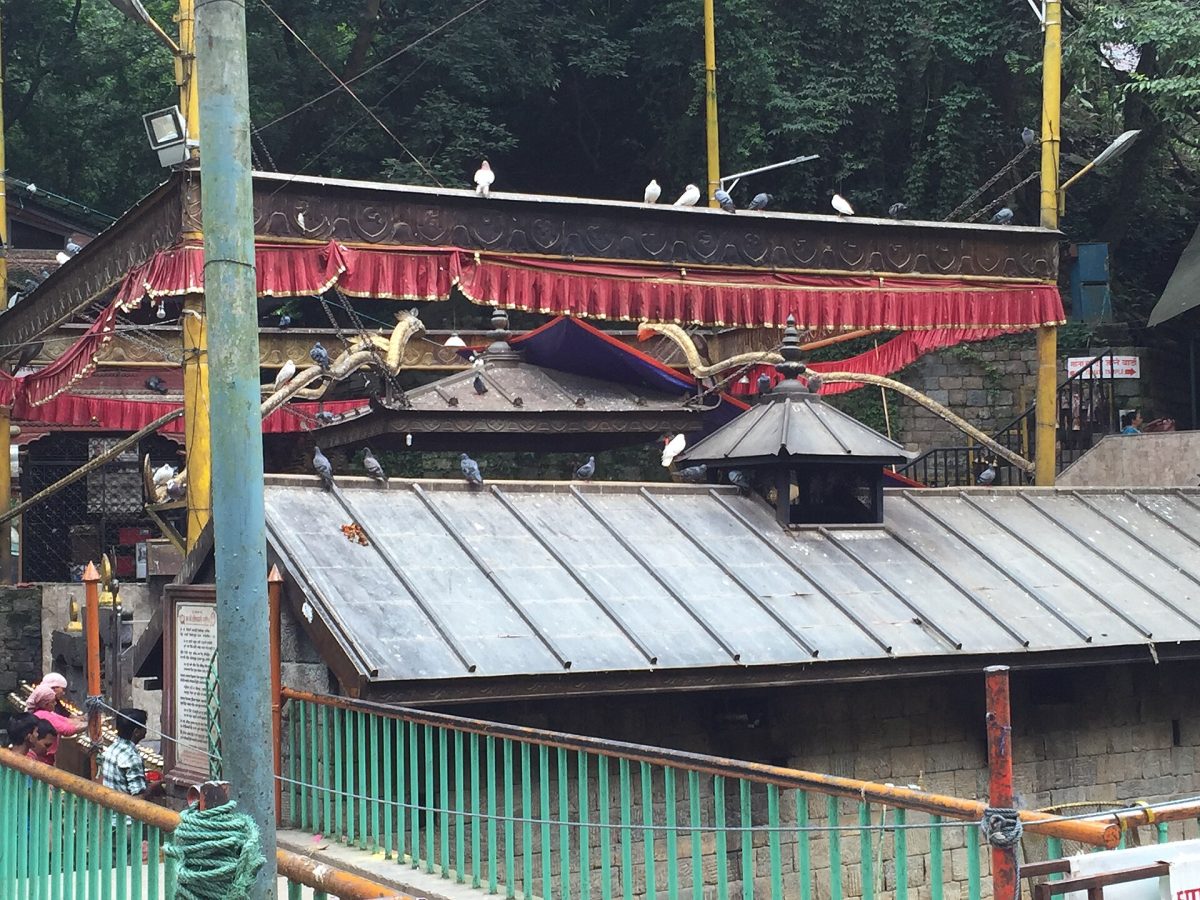
Photo: Ashim nep, CC BY-SA 4.0
There is no ticket for Dakshinkali: entry to the temple grounds is free, and Hindu worshippers pay only for their own offerings and, if they bring an animal, for the services of the butcher-priests. What is sold online are half-day and full-day trips from Kathmandu by private car or van with a driver and an English-speaking guide, since the temple lies about 20 km south of the city at the far end of the valley and is awkward to reach by public transport. The most common route pairs the temple with the village of Pharping just above it, where the Asura Cave and several Tibetan monasteries mark the place where Padmasambhava is said to have meditated, and with the old Newar hill town of Kirtipur on the way back.
Some tours also stop at the Shesh Narayan temple and its sacred ponds. Transport and guide are normally included; meals and any small monastery donations are paid separately. A guided trip is worth it here more than at most Nepali temples, because the sacrificial rituals can be bewildering and a good guide explains what is happening and where you may stand. Independent travellers can hire a taxi for the half day, or take a slow local bus from Kathmandu towards Pharping.
Live dates and prices from GetYourGuide. Free cancellation on most tickets.
Dakshinkali is one of the most important shrines of the goddess Kali in Nepal, and among the most intense places of worship a visitor can see. The temple sits at the bottom of a forested gorge where two streams meet, reached by a long staircase lined with stalls selling marigolds, coconuts, red powder and sweets. The name refers to the south, the direction of Yama, god of death; worshippers believe the goddess shields them from misfortune and death itself. The shrine itself is small and open, a gilded canopy over the black stone image of the goddess, surrounded by a walled enclosure.
Animal sacrifice is the centre of worship here: devotees bring cockerels and uncastrated male goats, which are killed at the shrine and then taken away to be cooked at picnic spots in the surrounding woods, so the visit has the feel of a family outing as much as a ritual. Only Hindus may enter the inner enclosure. Others watch from the paths and terraces above, which give a clear view. Photographing the sacrifices is considered intrusive, so keep the camera down near the shrine, remove shoes and leather if you approach the enclosure, and do not touch offerings. Vegetarians and the squeamish should know that the floor runs with blood on the busy days. Climb up afterwards to Pharping, a short drive away, for the Asura Cave and the gompas, a striking contrast of Buddhist calm. Allow about an hour each way by road from central Kathmandu.
The temple is open from early morning and the main worship happens in the first half of the day; by around midday the rituals wind down. Arrive early, ideally by 7 or 8 am. Saturday is the principal sacrifice day and by far the busiest, with long queues of families and their animals; Tuesday is the second busy day. On other days the temple is calm and the atmosphere is very different, so choose according to whether you want to see the ritual or the setting. The great moment of the year is Dashain, usually in late September or October, when sacrifices are made on a huge scale, especially on the eighth day.
The road is jammed and the crowds immense. October and November and the spring months of March to May have the clearest weather; the monsoon from June to September makes the steps slippery. Allow one hour at the temple, plus half a day in total with the drive, Pharping and perhaps Kirtipur or Chobhar Gorge on the way back.
Yes. GetYourGuide lists 3 tickets and tours for Dakshinkali Temple, with live dates and prices and free cancellation on most of them.
The temple is open from early morning and the main worship happens in the first half of the day; by around midday the rituals wind down.
Allow about an hour each way by road from central Kathmandu.
Modest dress; shoes and leather off near the shrine; non-Hindus stay outside the inner enclosure.
Entry to Dakshinkali Temple: Free
Dakshinkali Temple is in Kathmandu, Nepal. The map on this page shows the exact spot.
How to visit a Hindu temple: dress, shoes and access — What to wear, what to leave at the gate and where non-Hindus may go in Hindu temples in India, Nepal, Bali and South-East Asia.
Kathmandu, Nepal
Foreign visitors buy a ticket at the counters on the approach to Pashupatinath, which covers the precinct around the…
35 tickets & tours
Kathmandu, Nepal
Swayambhunath needs no advance ticket. Foreign visitors pay a modest fee at a booth on the way up, local worshippers go…
13 tickets & tours
Kathmandu, Nepal
No ticket for Boudhanath alone is sold online. Foreign visitors pay a heritage fee of a few hundred rupees at the…
No online ticket

