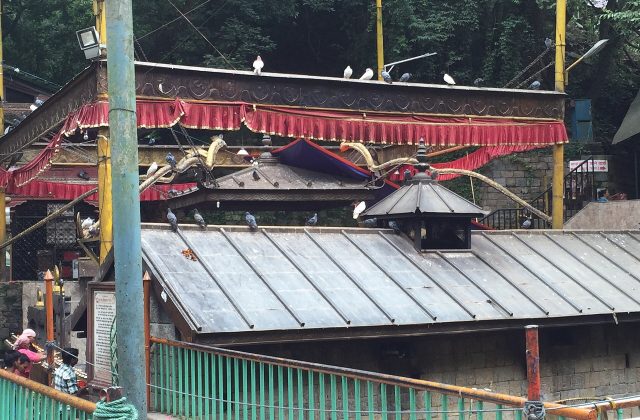
Two temples in Kathmandu. Dakshinkali Temple has 3 tickets and tours to book; Pashupatinath Temple has 35 tickets and tours to book. The table and the two notes below put them side by side; the full pages have what to see, the ticket and the timing for each.
There is no ticket for Dakshinkali: entry to the temple grounds is free, and Hindu worshippers pay only for their own offerings and, if they bring an animal, for the services of the butcher-priests. What is sold online are half-day and full-day trips from Kathmandu by private car or van with a driver and an English-speaking guide, since the temple lies about 20 km south of the city at the far end of the valley and is awkward to reach by public transport.
The most common route pairs the temple with the village of Pharping just above it, where the Asura Cave and several Tibetan monasteries mark the place where Padmasambhava is said to have meditated, and with the old Newar hill town of Kirtipur on the way back.
Foreign visitors buy a ticket at the counters on the approach to Pashupatinath, which covers the precinct around the temple and the riverside ghats; Hindus enter free, and only Hindus may go into the courtyard of the main temple. The site lies in the east of Kathmandu, about 5 km from Thamel, and a taxi takes 20 to 30 minutes in normal traffic.
Most organised products fall into two groups. The first are evening outings built around the aarti, the daily fire ceremony performed by priests on the steps of the Bagmati river at dusk; they usually last three to four hours, include a guide, hotel transfers and sometimes dinner, and the entry ticket may be extra.