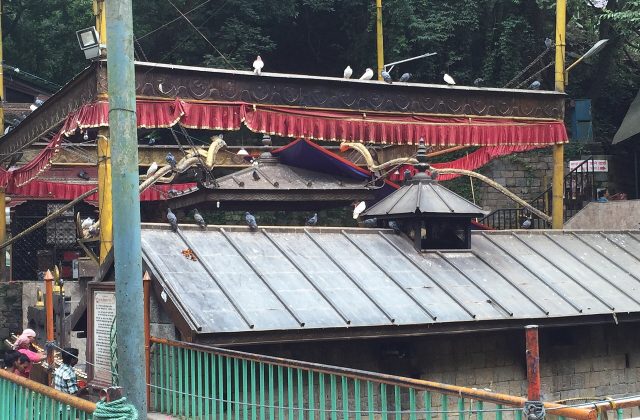
Pashupatinath Temple
2 km away
Foreign visitors buy a ticket at the counters on the approach to Pashupatinath, which covers the precinct around the…
35 tickets & tours
Buddhist Temple · Kathmandu · Nepal
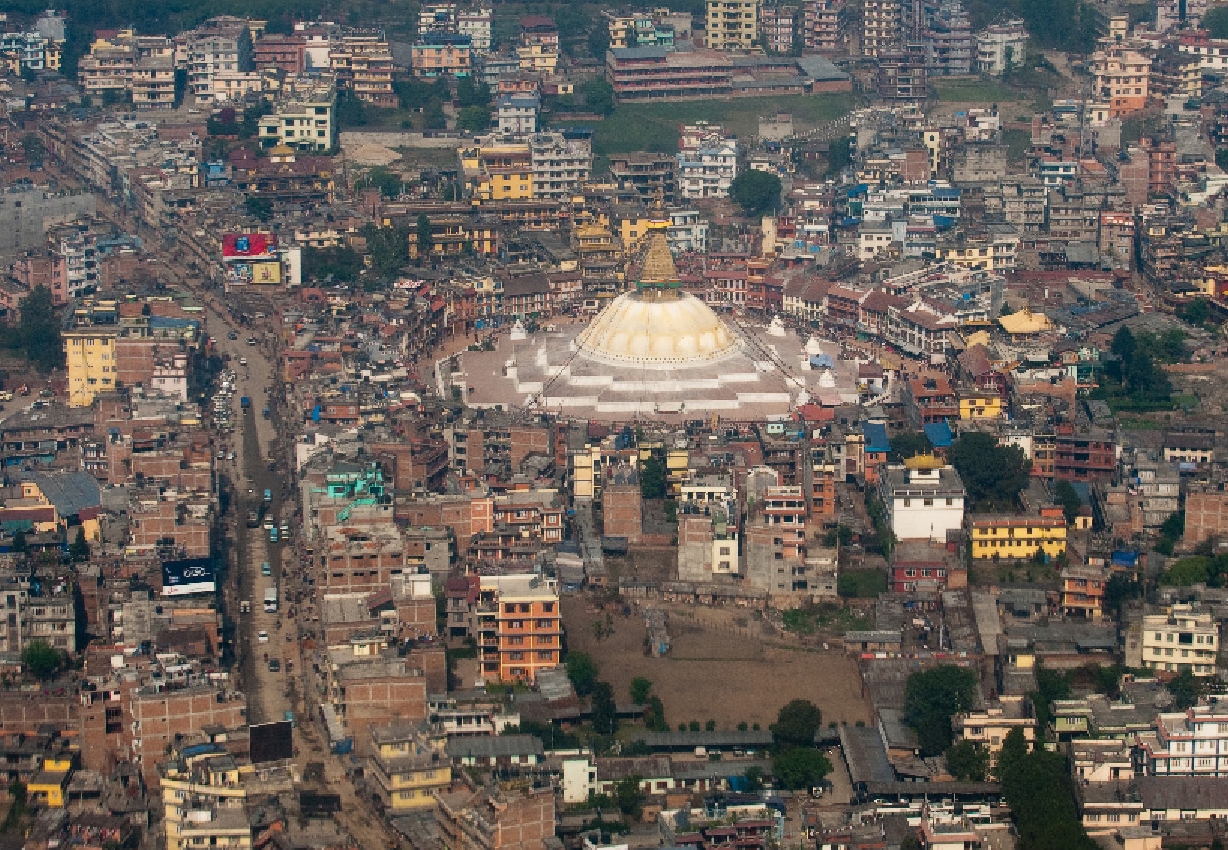
Photo: Etter Studio, CC BY 2.0
No ticket for Boudhanath alone is sold online. Foreign visitors pay a heritage fee of a few hundred rupees at the booths on the lanes leading into the square; citizens of Nepal enter free, and visitors from other South Asian countries pay a reduced rate. Keep the ticket, as it is checked at the gates. Pilgrims walking the circuit around the stupa do not need one. Boudha lies in the north-east of Kathmandu, about 7 km from Thamel. A taxi takes twenty to forty minutes depending on traffic, and local buses and microbuses run along the main road past the gate. Many people combine it with Pashupatinath, the great Hindu temple on the Bagmati River, which is a walk of about half an hour away. Most organised sightseeing in the valley includes the stupa.
A typical full-day city tour by private car or small group links it with Pashupatinath, Swayambhunath and Kathmandu Durbar Square, and the price usually covers driver and guide but not the heritage fees at each site, which are paid separately. Longer heritage tours add Patan and Bhaktapur. A guide is helpful at Pashupatinath and the old royal squares; at Boudha you can manage on your own, and a meditation session or teaching at one of the surrounding monasteries is easy to arrange directly. The page lists any GetYourGuide tours whose route passes the stupa.
Live prices from GetYourGuide for tickets and tours that include this temple. Free cancellation on most of them.
Boudhanath is one of the largest stupas in the world and the centre of Tibetan Buddhist life in Nepal. A stupa stood here on the old trade route from Tibet to the Kathmandu Valley at least by the Licchavi period, and Newar chronicles link it with kings of the fifth or sixth century; the present structure probably dates from the fourteenth century. It is part of the Kathmandu Valley World Heritage Site, inscribed in 1979. After 1959 Tibetan refugees settled around it and built dozens of monasteries, so that the neighbourhood is now as much a Tibetan town as a Nepali one. The stupa is laid out as a giant mandala. Three broad terraces carry a white dome about 36 m high, crowned by a square tower painted with the eyes of the Buddha on all four sides, then thirteen gilded steps that stand for the stages towards enlightenment, and a canopy hung with prayer flags.
The whole complex covers about 1.3 hectares. The spire was badly damaged in the 2015 earthquake and was rebuilt and reconsecrated the following year. Do as the pilgrims do and walk the circuit clockwise, turning the prayer wheels set into the base. You can climb onto the lower terraces for a closer view of the dome. At the northern entrance stands the shrine of Ajima, a protective goddess honoured by local Newars, and several monasteries around the square welcome respectful visitors; take off your shoes, do not point your feet at altars, and ask before photographing monks. The rooftop cafes around the square give the best view down onto the dome.
The square is open around the clock; the ticket booths operate from early morning until the evening, and the monasteries keep their own hours, usually opening for morning and late afternoon prayers. Come at dawn or in the late afternoon. Early in the morning and again around sunset, hundreds of Tibetans, monks and Nepali Buddhists walk the circuit, spinning wheels and murmuring mantras, and the light on the white dome is soft; midday is hotter and more touristy. October to November and March to April are the best seasons, with clear skies and mild temperatures.
The monsoon from June to September is wet but rarely closes anything. The great festival is Losar, the Tibetan New Year in February or early March, when the stupa is decked with new prayer flags and crowds perform dances and rituals. Full-moon nights, when butter lamps are lit around the base, and Buddha Jayanti in spring are also memorable. Allow one to two hours. Combine it with Pashupatinath in the same morning or afternoon, or with Kopan Monastery on the hill to the north.
2 km away
Foreign visitors buy a ticket at the counters on the approach to Pashupatinath, which covers the precinct around the…
35 tickets & tours
7 km away
No ticket for Changu Narayan is sold online. Foreign visitors pay a heritage fee at the entrance to the village, which…
4 tickets & tours
7 km away
Swayambhunath needs no advance ticket. Foreign visitors pay a modest fee at a booth on the way up, local worshippers go…
13 tickets & tours
Yes. GetYourGuide sells tickets and guided tours whose route includes Boudhanath Stupa; live prices are shown on this page.
The square is open around the clock; the ticket booths operate from early morning until the evening, and the monasteries keep their own hours, usually opening for morning and late afternoon prayers.
Allow one to two hours.
Modest clothing; walk clockwise around the stupa and remove shoes in the monasteries.
Entry to Boudhanath Stupa: Fee for foreign visitors
Boudhanath Stupa covers 1.3 ha.
Boudhanath Stupa is in Kathmandu, Nepal. The map on this page shows the exact spot.
How to visit a Buddhist temple: shoes, dress and manners — Shoes, dress, feet, photos and offerings in Buddhist temples, from the wats of Thailand and Sri Lanka to the Zen temples of Japan.
Kathmandu, Nepal
Foreign visitors buy a ticket at the counters on the approach to Pashupatinath, which covers the precinct around the…
35 tickets & tours
Kathmandu, Nepal
Swayambhunath needs no advance ticket. Foreign visitors pay a modest fee at a booth on the way up, local worshippers go…
13 tickets & tours
Kathmandu, Nepal
There is no ticket for Dakshinkali: entry to the temple grounds is free, and Hindu worshippers pay only for their own…
3 tickets & tours