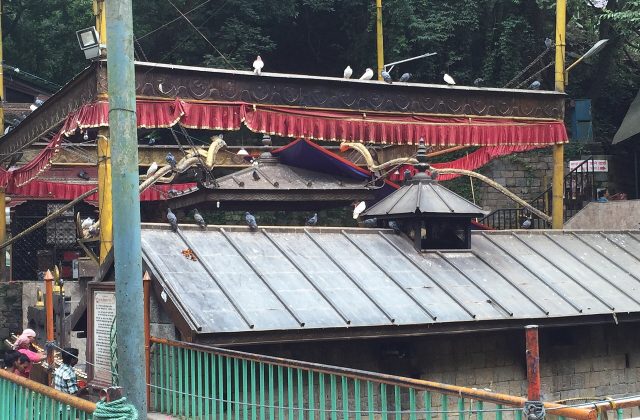
Two temples in Kathmandu. Boudhanath Stupa has no online ticket listed; Dakshinkali Temple has 3 tickets and tours to book. The table and the two notes below put them side by side; the full pages have what to see, the ticket and the timing for each.
No ticket for Boudhanath alone is sold online. Foreign visitors pay a heritage fee of a few hundred rupees at the booths on the lanes leading into the square; citizens of Nepal enter free, and visitors from other South Asian countries pay a reduced rate. Keep the ticket, as it is checked at the gates. Pilgrims walking the circuit around the stupa do not need one.
Boudha lies in the north-east of Kathmandu, about 7 km from Thamel. A taxi takes twenty to forty minutes depending on traffic, and local buses and microbuses run along the main road past the gate. Many people combine it with Pashupatinath, the great Hindu temple on the Bagmati River, which is a walk of about half an hour away.
Most organised sightseeing in the valley includes the stupa.
There is no ticket for Dakshinkali: entry to the temple grounds is free, and Hindu worshippers pay only for their own offerings and, if they bring an animal, for the services of the butcher-priests. What is sold online are half-day and full-day trips from Kathmandu by private car or van with a driver and an English-speaking guide, since the temple lies about 20 km south of the city at the far end of the valley and is awkward to reach by public transport.
The most common route pairs the temple with the village of Pharping just above it, where the Asura Cave and several Tibetan monasteries mark the place where Padmasambhava is said to have meditated, and with the old Newar hill town of Kirtipur on the way back.