Working synagogues and museums
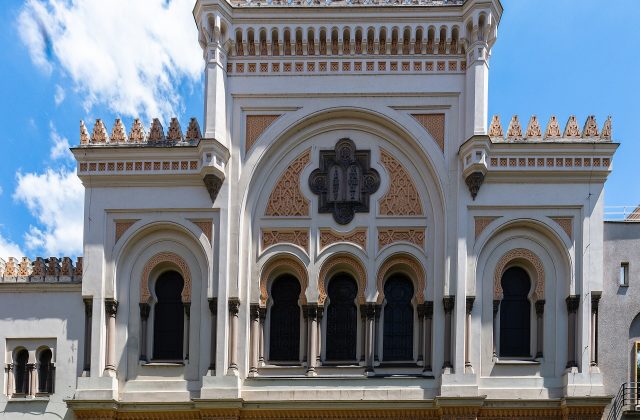
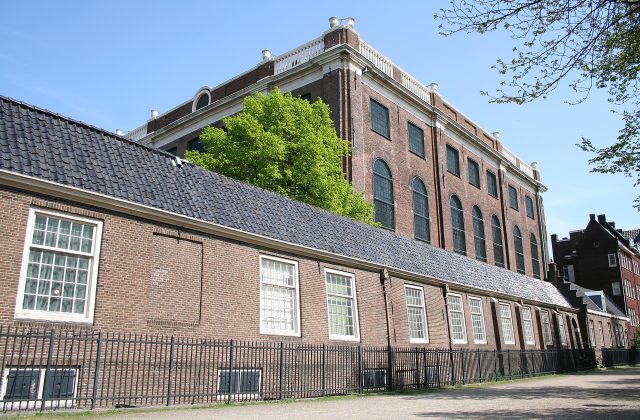
The synagogues open to visitors fall into two groups. Some are working houses of prayer that open to visitors on set days, such as the Dohany Street Synagogue in Budapest, the Old-New Synagogue in Prague and the Portuguese Synagogue in Amsterdam. Others are now museums with no congregation, such as the Old Synagogue and the High Synagogue in Krakow, Santa Maria la Blanca in Toledo and the Maisel and Spanish Synagogues of the Jewish Museum in Prague. The rules are stricter in the first group, but courtesy is expected in both, since many museum synagogues are also memorials.
A third kind sits in between: historic synagogues in places where the community has dwindled, such as Ibn Danan in Fez, Ben Ezra in Cairo and Etz Hayyim in Chania. Here a caretaker or guardian opens the door, a small fee or donation is usual, and men may be asked to cover their heads. Opening hours are informal, so go in the morning and be patient.
Shabbat and holidays
Shabbat runs from sunset on Friday to nightfall on Saturday, and almost every working synagogue is closed to tourists on Saturday. Friday hours are often shorter, ending well before sunset in winter. Jewish holidays close them too: Rosh Hashanah and Yom Kippur in September or October, Sukkot soon after, and Passover in spring. The Dohany Street Synagogue, the Old-New Synagogue and the Great Synagogue of Rome all follow this pattern, so check the official calendar if your dates fall in those months. Sunday to Thursday are the reliable days.
Security and booking
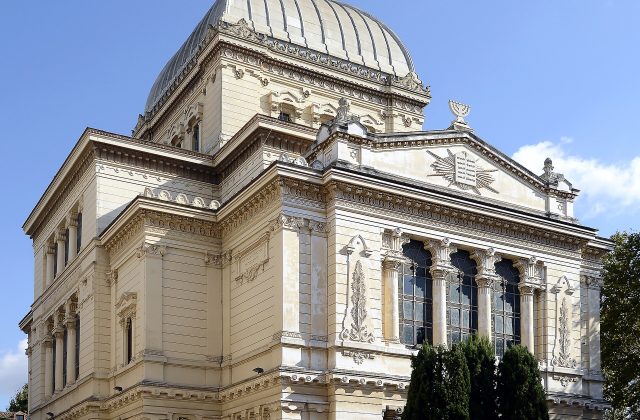
Expect security, and do not take it personally: many synagogues have been the targets of attacks, and checks are routine. The Great Synagogue of Rome has airport-style screening and does not admit large bags. At Neve Shalom in Istanbul visits must be arranged in advance through the Jewish community, normally by sending your name and passport details a few days ahead, and the same passport is checked at the door. At El Ghriba on Djerba there is a passport check and bag search at the police post before the gate, and access can be suspended at short notice.
Never photograph entrances, guards or security arrangements. Some synagogues can be seen only on a guided visit: in Rome the museum ticket includes a short tour of the main synagogue at set times, and you cannot wander into the prayer hall alone. In Budapest timed tickets bought online shorten the summer queue at the Dohany Street entrance.
What to wear
Men cover their heads in a working synagogue, and paper kippot are handed out at the door of the Dohany Street Synagogue, the Old-New Synagogue and the Portuguese Synagogue; a cap or hat serves equally well. Shoulders and knees should be covered for everyone, and in Rome and Budapest this is checked. Married Orthodox women cover their hair, but women visitors are rarely asked to. At El Ghriba visitors also remove their shoes in the prayer hall and cover their heads, a North African custom that surprises many European visitors.
Attending a service
Visitors are generally welcome at services if they behave as guests: arrive on time, dress smartly, sit where the usher indicates and stand when others stand. In Orthodox synagogues men and women sit separately, the women in a gallery or behind a screen; at the Old-New Synagogue women still look in through small openings in the walls. On Shabbat do not use a phone, take photographs or write anything. The Portuguese Synagogue in Amsterdam holds occasional candlelit services and concerts in winter, the only time its great chandeliers are lit.
Photography
Rules vary. Photography is permitted at the Portuguese Synagogue on visiting days but not during services, and at Ben Ezra in Cairo it is usually not allowed, so ask the guardian first. Memorial synagogues such as the Pinkas Synagogue in Prague, whose walls carry the names of the Jews of Bohemia and Moravia murdered in the Holocaust, call for restraint even where cameras are allowed. Never photograph worshippers or children without asking.
Common mistakes
The commonest mistake is arriving on a Saturday morning in Prague or Budapest and finding the doors closed. Others are bringing a large rucksack to a synagogue with strict security, stepping onto the bimah, the reading platform, or touching the curtain of the ark, and treating the cemetery next door as a park. In Jewish cemeteries visitors leave a small stone on a grave rather than flowers, and men may be asked to cover their heads there too, as at the Coming Street Cemetery in Charleston.