Yasukuni Shrine
4 km away
Yasukuni Shrine, in the Kudan district of central Tokyo just north of the Imperial Palace, is free to enter, and the…
2 tickets & tours
Buddhist Temple · Tokyo · Japan
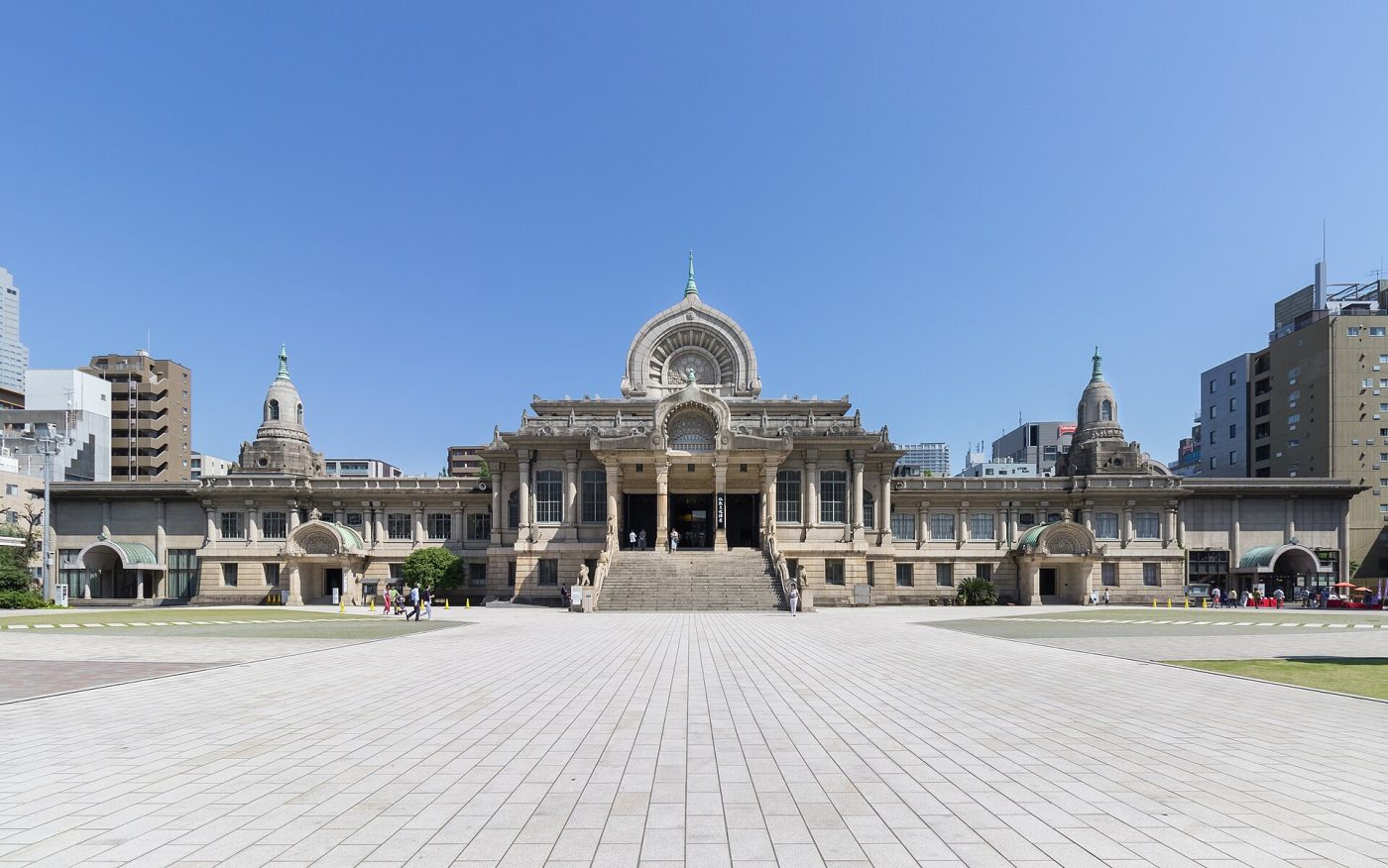
Photo: Kakidai, CC BY-SA 4.0
Tsukiji Hongan-ji is free to enter and no ticket is needed; nothing for the temple alone is sold online. The main hall is open to anyone during the day, and visitors are welcome to sit in the pews during the regular services. The temple also runs a cafe in the modern annexe, known for its elaborate Japanese breakfast set, and a shop selling books, incense and souvenirs, which is where most visitors actually spend money here. The temple stands immediately beside Tsukiji Station on the Tokyo Metro Hibiya Line, and Tsukijishijo Station on the Oedo Line is a short walk away, so getting there independently is effortless.
It is also a natural stop on walking food tours of the Tsukiji Outer Market, which sits across the road; these tours include a guide and tastings at several stalls and sometimes a brief look at the temple facade, though rarely a full visit inside. Wider Tokyo city tours by coach occasionally include it as a photo stop between Ginza and the Sumida riverside. Since the temple takes only half an hour to see, the sensible plan is to visit on your own before or after a morning at the market, guided or not, rather than paying for a tour specifically for it.
Live prices from GetYourGuide for tickets and tours that include this temple. Free cancellation on most of them.
The temple looks nothing like a typical Japanese temple. The present building, finished in 1934, was designed by the architect and historian Ito Chuta, who had travelled through Asia and drew on ancient Indian Buddhist architecture: the stone facade has a large central dome with a lotus motif, flanking towers and a ribbed arch over the entrance. It replaced a wooden temple destroyed in the Great Kanto earthquake of 1923, and is now an Important Cultural Property of Japan. The community itself is much older. It began as a branch of the Nishi Hongan-ji in Asakusa in 1617, and after the great fire of 1657 it was moved to land reclaimed from the bay, which is what the name Tsukiji means. Look for the small stone animals placed around the building, including elephants, monkeys, cows, lions and birds, and for the stained glass above the entrance.
Inside, the surprise is the layout: rows of chairs face a richly gilded altar in the traditional Jodo Shinshu style, and a large pipe organ stands at the back, used for Buddhist hymns and occasional lunchtime concerts. A memorial to the rock musician hide, whose funeral was held here in 1998, still attracts fans. Shoes stay on, as the hall has a Western-style floor. Keep voices low, do not photograph worshippers during services, and check the signs at the door, which sometimes restrict photography inside.
The main hall opens early in the morning and closes in the late afternoon, around 4 pm; the grounds and the cafe keep slightly longer hours, so check the official site if you plan to visit late. A short morning service is held every day, and sitting in quietly is the best way to see the temple in use. Early morning is the ideal time, as it pairs with breakfast in the Outer Market, where many stalls open around 5 am and close by early afternoon; the market is quieter on weekdays, and many shops close on Sundays, public holidays and some Wednesdays.
The temple itself is busiest in summer, when a lively bon-odori dance festival takes place in the forecourt, and at the end of the year and New Year, when services draw large congregations. Allow 30 to 45 minutes, or longer for breakfast at the cafe. Combine the visit with the Outer Market, Hama-rikyu Gardens 15 minutes on foot to the south, and Ginza's shopping streets just to the north. Spring and autumn are the most pleasant seasons for walking between them.
4 km away
Yasukuni Shrine, in the Kudan district of central Tokyo just north of the Imperial Palace, is free to enter, and the…
2 tickets & tours
6 km away
There is no ticket for Senso-ji: the temple grounds are free and always open, and the main hall can be entered at no…
31 tickets & tours
6 km away
There is nothing to buy for Asakusa Shrine: it stands open and free inside the grounds of Senso-ji, Tokyo's oldest…
6 tickets & tours
Yes. GetYourGuide sells tickets and guided tours whose route includes Tsukiji Hongan-ji; live prices are shown on this page.
The main hall is open to anyone during the day, and visitors are welcome to sit in the pews during the regular services.
Allow 30 to 45 minutes, or longer for breakfast at the cafe.
Early morning is the ideal time, as it pairs with breakfast in the Outer Market, where many stalls open around 5 am and close by early afternoon; the market is quieter on weekdays, and many shops close on Sundays, public holidays and some Wednesdays.
Entry to Tsukiji Hongan-ji: Free
No strict dress code; dress respectfully and keep quiet in the main hall.
Tsukiji Hongan-ji was established in 1617.
Tsukiji Hongan-ji is in Tokyo, Japan. The map on this page shows the exact spot.
How to visit a Buddhist temple: shoes, dress and manners — Shoes, dress, feet, photos and offerings in Buddhist temples, from the wats of Thailand and Sri Lanka to the Zen temples of Japan.
Tokyo, Japan
Meiji Jingu is free to enter and there is no ticket to buy for the shrine itself: you simply walk in from Harajuku or…
38 tickets & tours
Tokyo, Japan
There is no ticket for Senso-ji: the temple grounds are free and always open, and the main hall can be entered at no…
31 tickets & tours
Tokyo, Japan
Nezu Shrine is free to enter and open to anyone who walks in, so there is no ticket to buy;
7 tickets & tours
Tokyo, Japan
There is nothing to buy for Asakusa Shrine: it stands open and free inside the grounds of Senso-ji, Tokyo's oldest…
6 tickets & tours
Tokyo, Japan
Gotokuji is free to enter and there is nothing to book for the temple itself.
3 tickets & tours
Tokyo, Japan
Yasukuni Shrine, in the Kudan district of central Tokyo just north of the Imperial Palace, is free to enter, and the…
2 tickets & tours