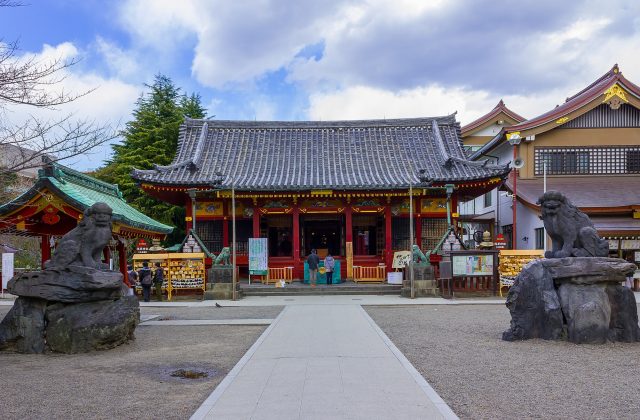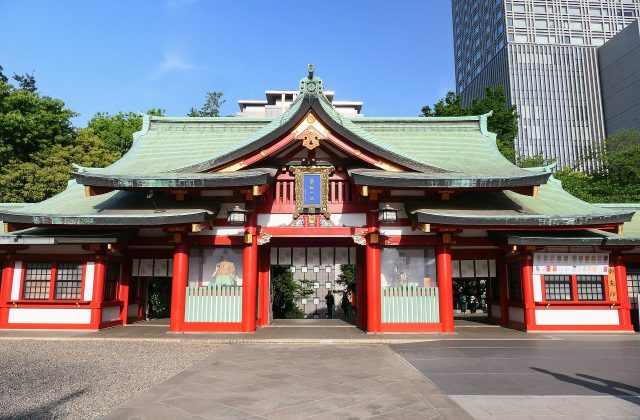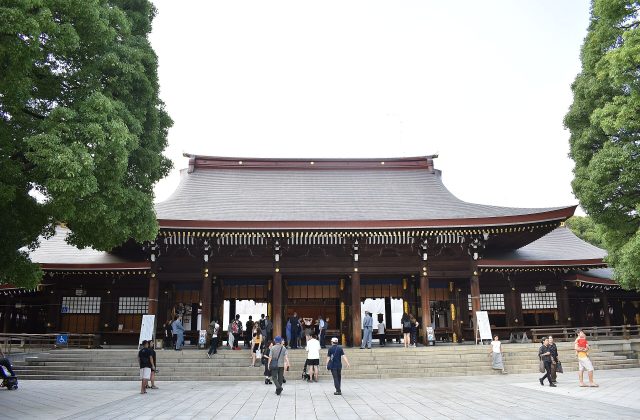
Meiji Shrine (Meiji Jingu)
Tokyo, Japan
Meiji Jingu is free to enter and there is no ticket to buy for the shrine itself: you simply walk in from Harajuku or…
38 tickets & tours
Buddhist Temple · Tokyo · Japan
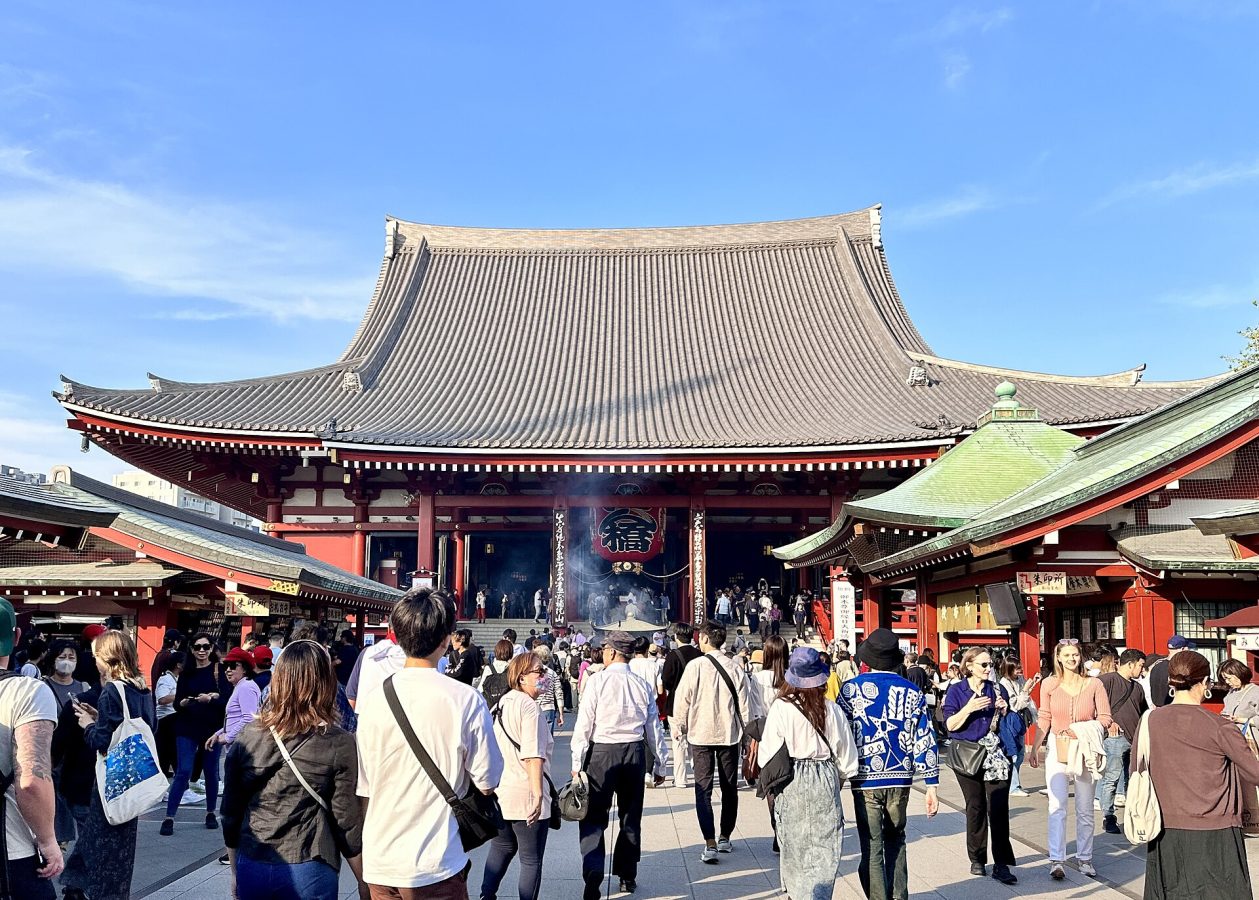
There is no ticket for Senso-ji: the temple grounds are free and always open, and the main hall can be entered at no charge during the day. It stands in the heart of Asakusa, a few minutes' walk from Asakusa station on the Ginza and Asakusa subway lines and the Tobu line, so most travellers simply walk in. The paid options are tours that add a guide, a theme or a wider itinerary. Short walks of one to two hours cover the temple, the Nakamise shopping street and the backstreets of Asakusa, often with tastings of street snacks, rice crackers, matcha or mochi, and some include kimono rental so that you can stroll the grounds in traditional dress.
Food tours of the neighbourhood and evening walks in old Asakusa are popular. Full-day city tours start or end at the temple and continue to the Meiji Shrine, Shibuya Crossing, the Skytree or Tokyo Tower, usually with transport by public train or a private car, a guide and sometimes lunch. A good guide helps here, because the temple is so busy that the details, from the protective deities of the gates to the fortune-telling slips and the incense burner, are easy to miss. If you prefer to go independently, the official website and the free leaflets at the information centre opposite the main gate are enough. River cruises on the Sumida from Asakusa pier are a pleasant extra.
Live dates and prices from GetYourGuide. Free cancellation on most tickets.
Senso-ji is Tokyo's oldest temple. According to its founding legend, two fishermen pulled a small golden statue of Kannon, the bodhisattva of compassion, out of the Sumida River in 628, and the temple was formally established in 645. The statue is said to be kept hidden and is never shown. The temple was destroyed in the bombing of March 1945, and the main hall, the gates and the pagoda you see today are concrete reconstructions built between the 1950s and the 1970s, faithful to the old designs. The visit follows a straight line from south to north. The Kaminarimon, or Thunder Gate, with its huge red paper lantern and statues of the gods of wind and thunder, opens onto Nakamise-dori, a 250 m street of stalls selling sweets, fans and souvenirs.
At the end is the two-storey Hozomon gate, hung with giant straw sandals, then the large incense burner, where people waft smoke over themselves for good health, and the main hall. To the left rises the five-storey pagoda, and to the right stands Asakusa Shrine, a Shinto shrine from the 17th century that survived the war. At the main hall, toss a coin, bow and pray quietly, without clapping, as this is a Buddhist temple. For a small donation you can draw an omikuji fortune slip; tie a bad one to the rack to leave the luck behind. Photography is allowed in the grounds but should be discreet inside the main hall. Eating while walking is frowned upon, so finish snacks beside the stalls.
The grounds are open around the clock. The main hall opens at 6 am, or 6.30 am in the winter months, and closes at 5 pm; the shops of Nakamise open around 9 or 10 am. The most rewarding time is early morning, before 8 am, when the temple is used by locals on their way to work, or after dark, when the buildings are floodlit and the crowds have gone, though the stalls are shuttered. Spring brings cherry blossom along the Sumida River, and autumn is mild and clear.
The great festival is the Sanja Matsuri, held at Asakusa Shrine over the third weekend of May, when portable shrines are carried through the streets. Other fixed events are the summer market of ground cherries on 9 and 10 July and the battledore market in mid-December. The first days of January bring enormous crowds for the New Year visit. Allow one to two hours. Afterwards cross the river to the Tokyo Skytree, or take the water bus down the Sumida to Hamarikyu Gardens.
Yes. GetYourGuide lists 31 tickets and tours for Senso-ji, with live dates and prices and free cancellation on most of them.
The grounds are open around the clock.
Allow one to two hours.
The most rewarding time is early morning, before 8 am, when the temple is used by locals on their way to work, or after dark, when the buildings are floodlit and the crowds have gone, though the stalls are shuttered.
Photography is allowed in the grounds but should be discreet inside the main hall.
Entry to Senso-ji: Free
No dress code; remove hats and keep quiet inside the main hall.
Senso-ji was established in 645.
Senso-ji is in Tokyo, Japan. The map on this page shows the exact spot.
How to visit a Buddhist temple: shoes, dress and manners — Shoes, dress, feet, photos and offerings in Buddhist temples, from the wats of Thailand and Sri Lanka to the Zen temples of Japan.
Tokyo, Japan
Meiji Jingu is free to enter and there is no ticket to buy for the shrine itself: you simply walk in from Harajuku or…
38 tickets & tours
Tokyo, Japan
Nezu Shrine is free to enter and open to anyone who walks in, so there is no ticket to buy;
7 tickets & tours
Tokyo, Japan
There is nothing to buy for Asakusa Shrine: it stands open and free inside the grounds of Senso-ji, Tokyo's oldest…
6 tickets & tours
Tokyo, Japan
Gotokuji is free to enter and there is nothing to book for the temple itself.
3 tickets & tours
Tokyo, Japan
Yasukuni Shrine, in the Kudan district of central Tokyo just north of the Imperial Palace, is free to enter, and the…
2 tickets & tours
Tokyo, Japan
Hie Shrine charges no entry fee and no ticket for it is sold online.
No online ticket