Todai-ji
Nara, Japan
The precincts of Todai-ji are free to walk around, but the Great Buddha Hall, the museum and some of the other halls…
9 tickets & tours
Buddhist Temple · Nara · Japan
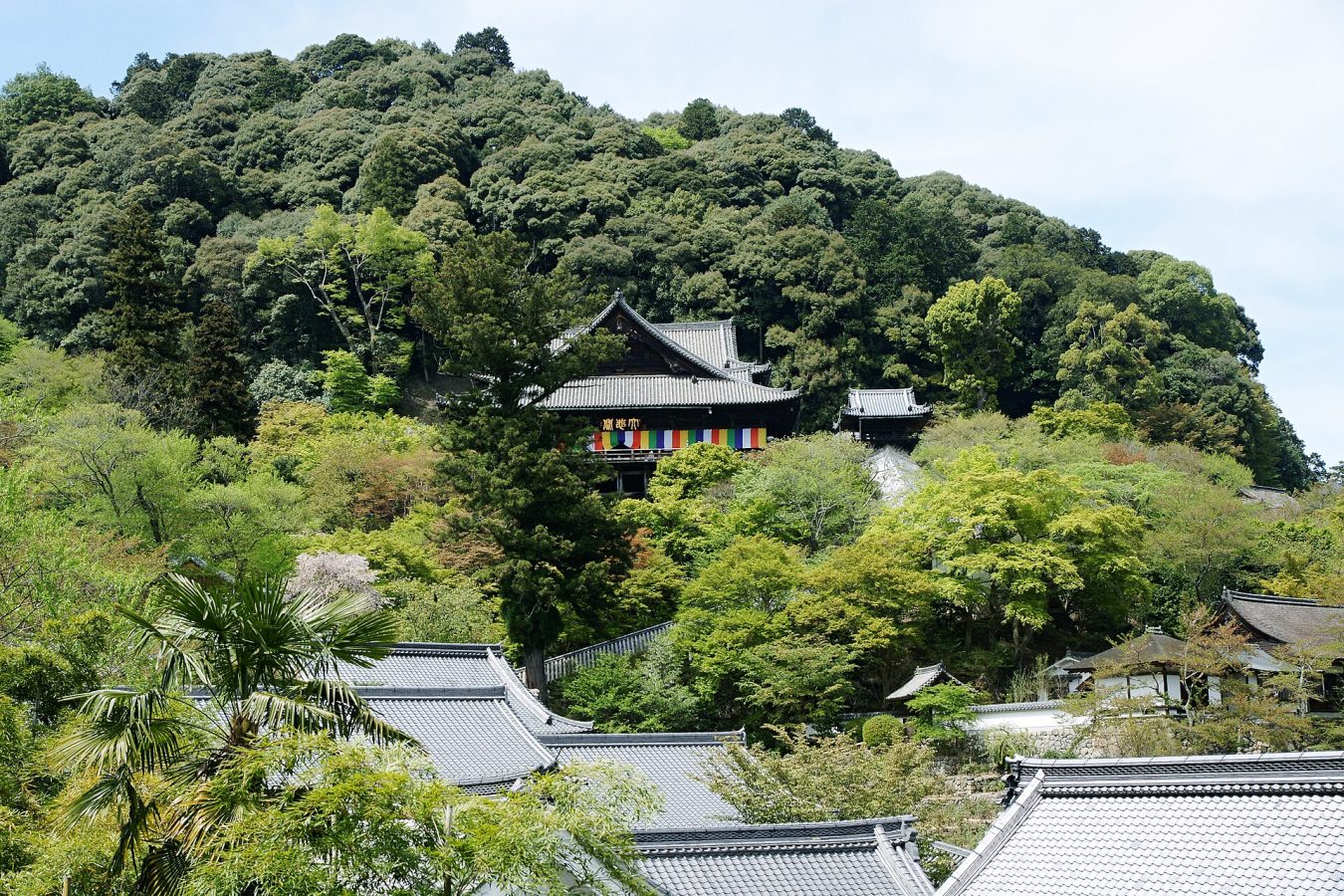
Photo: 663highland, CC BY 2.5
There is no online ticket for Hase-dera alone. You pay the entrance fee at the gate at the foot of the long staircase, and there is an additional charge during the special openings in spring and autumn when visitors may enter the inner sanctuary and touch the feet of the great Kannon statue. Cash is still the safest way to pay. The organised option is a guided day from Nara city that is built around Hase-dera, with its giant Kannon and its main hall on stilts above the valley. Such outings normally include the guide, the train or car journey through the countryside east of Nara and the temple entry, with lunch paid on the spot.
They suit visitors who want the Buddhist imagery and the history of the pilgrimage explained, since the temple has little English signage beyond the basics. Going independently is straightforward. Hase-dera stands in the town of Sakurai in the hills of Nara Prefecture, and the Kintetsu line reaches Hasedera station in about 30 to 40 minutes from Osaka-Uehommachi or with a change from Kintetsu Nara; from the station it is a pleasant walk of about 20 minutes down into the valley and along the old street of shops selling local noodles and sweets. Many visitors pair it with Muro-ji, a few stations further along the same line.
Live dates and prices from GetYourGuide. Free cancellation on most tickets.
The visit begins at the Nio gate, with its fierce guardian kings, and continues up the covered wooden staircase that is the image most people take away from Hase-dera: 399 low stone steps under a roof hung with large paper lanterns, climbing about 200 m through the gardens. At the top stands the main hall, a National Treasure rebuilt in 1650 with money from the shogun Tokugawa Iemitsu. It projects out over the hillside on a framework of huge wooden stilts, so its broad veranda feels like a stage hanging above the treetops, with views over the valley, the five-storey pagoda and the town below. Inside the hall is the temple's great treasure, a gilded wooden figure of the eleven-headed Kannon, the bodhisattva of compassion, about 10 m tall and among the largest wooden statues in Japan;
the faces on its crown let it watch in every direction for those who need help. Tradition dates the temple to 686, when it was founded to pray for the ailing Emperor Tenmu, and a statue of Kannon was installed in 727 under Emperor Shomu. The buildings have burned and been rebuilt many times, but pilgrims have come here for over a thousand years, and it remains a stop on the Saigoku Kannon pilgrimage of western Japan. Walk quietly, do not photograph the statue inside the hall, and take your shoes off where signs ask you to.
The temple is open every day from morning to late afternoon, with a slightly shorter day in winter; check the official site for the current hours and for the dates of the special openings of the inner sanctuary. Hase-dera is known as a temple of flowers, and the seasons decide when to go. Cherry trees bloom in early April, and the peonies that line the staircase, in many shades of red, pink and white, flower from late April into early May, the busiest weeks of the year.
Hydrangeas follow in June, and the maples turn red in mid to late November. Winter brings fewer visitors and a clear, quiet atmosphere. Weekday mornings are the calmest time in any season. Allow about two hours, including the walk from the station. Combine Hase-dera with Muro-ji for a full day in the eastern hills, or with the ancient Omiwa shrine and the Asuka area for a day of early Japanese history.
Yes. GetYourGuide lists one ticket or tour for Hase-dera Temple, with live dates and prices and free cancellation on most of them.
Entry to Hase-dera Temple: Fee at the gate
The temple is open every day from morning to late afternoon, with a slightly shorter day in winter; check the official site for the current hours and for the dates of the special openings of the inner sanctuary.
Allow about two hours, including the walk from the station.
No dress code; shoes off where indicated inside the halls.
Hase-dera Temple was established in 686.
Hase-dera Temple is in Nara, Japan. The map on this page shows the exact spot.
How to visit a Buddhist temple: shoes, dress and manners — Shoes, dress, feet, photos and offerings in Buddhist temples, from the wats of Thailand and Sri Lanka to the Zen temples of Japan.
Nara, Japan
The precincts of Todai-ji are free to walk around, but the Great Buddha Hall, the museum and some of the other halls…
9 tickets & tours
Nara, Japan
Horyuji sells a single admission ticket at the gate that covers the western precinct with the pagoda and the Golden…
3 tickets & tours
Nara, Japan
Kasuga Taisha does not need a ticket booked in advance. The approach, the outer precinct and the lantern-lined paths…
3 tickets & tours
Nara, Japan
There is no advance ticket for Kofuku-ji. The temple grounds are an open space at the western edge of Nara Park and you…
1 ticket or tour