Todai-ji
Nara, Japan
The precincts of Todai-ji are free to walk around, but the Great Buddha Hall, the museum and some of the other halls…
9 tickets & tours
Shinto Shrine · Nara · Japan
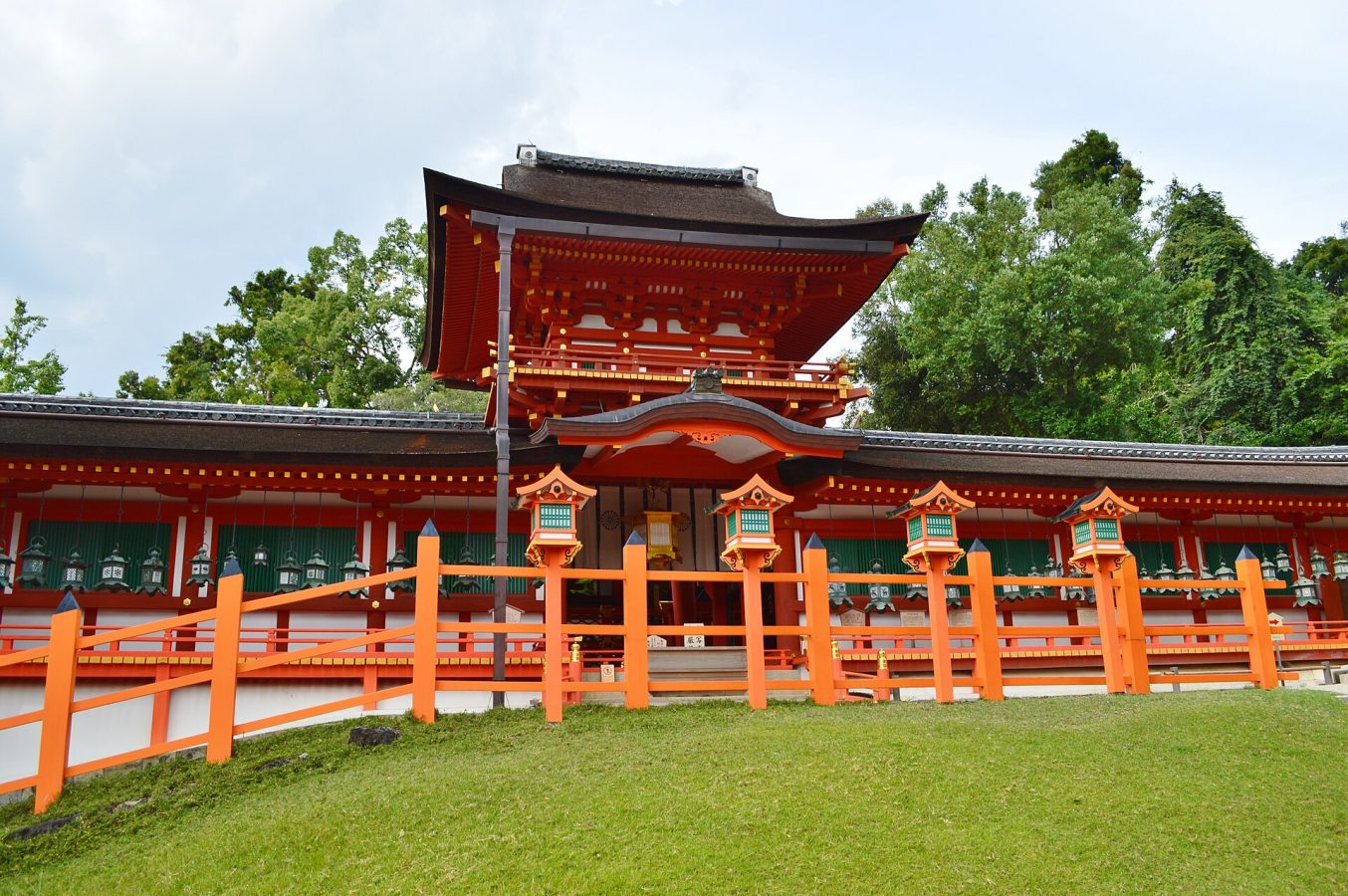
Kasuga Taisha does not need a ticket booked in advance. The approach, the outer precinct and the lantern-lined paths are free and open from early morning. The inner corridors around the main sanctuary, the treasure hall and the Manyo botanical garden next door each charge a modest fee at their own entrances. What is sold online are guided walks that bring the shrine to life. The simplest is a guided tour of the shrine and the deer park with a local English-speaking guide, lasting a couple of hours on foot. A more unusual option is an evening walk in candlelight, organised on selected dates, which includes a drink and lets you see the lanterns and the forest after the day crowds have gone.
For visitors based in Kyoto, there are private full-day tours by car or train that combine Kasuga Taisha with Todaiji and the Great Buddha and other sights of Nara, with transport and guide included but entrance fees and lunch often extra. Nara is compact and easy to explore alone, so most visitors walk up independently from the station through the park. A guide is worth having if you want to understand the Fujiwara clan, the blend of Shinto and Buddhist belief and the meaning of the lanterns; the evening tour is the best choice for photographers.
Live dates and prices from GetYourGuide. Free cancellation on most tickets.
Kasuga Taisha was founded in 768 as the shrine of the Fujiwara, the family of courtiers who dominated the Japanese state for centuries. Legend says its first god arrived riding a white deer, which is why the deer of Nara Park are treated as sacred messengers. The shrine and the primeval forest of Mount Kasuga behind it are part of the UNESCO World Heritage Site of ancient Nara. The approach is half the experience. From the large torii at the edge of the park, a gravel path climbs for about 1 km through tall cedars, lined by some 2,000 moss-covered stone lanterns donated by worshippers over many centuries. Deer wander between them. At the top, vermilion corridors and gates surround the main sanctuary, where the buildings are in the Kasuga style, with sweeping roofs over small shrines;
by tradition they have been renewed periodically for centuries. Look for the hundreds of bronze hanging lanterns along the corridors, each with its own design, and the dark lantern hall where they are shown lit, recreating the twice-yearly festival. In the inner precinct stands an old wisteria tree whose flowers hang almost to the ground in spring. The small Wakamiya shrine, a short walk south, is the heart of the great December festival. Bow at the torii, rinse your hands and mouth at the water basin, and follow the paths. Do not feed the deer anything except the special crackers sold in the park. From Kintetsu Nara Station the walk takes about 25 minutes; buses also run to the shrine.
The outer grounds open early in the morning and close in the late afternoon, around 5 or 6 pm depending on the season; the paid inner area keeps shorter hours. The best time is the first hour after opening, when the lantern path is misty and empty and the deer are calm. Coach groups arrive from mid-morning. Autumn, from late October to early December, and late April to early May, when the wisteria blooms, are the most beautiful seasons.
The Lantern Festivals are the highlight: in early February at Setsubun and on 14 and 15 August, all the stone and bronze lanterns, around 3,000 in total, are lit at night. The Kasuga Wakamiya On-matsuri in mid-December is a remarkable procession of ancient costumes and court music. Allow one to two hours for the shrine and the path. Combine it with Todaiji and the Great Buddha, the deer park and the hillside of Wakakusa, or the gardens of Isuien and Yoshikien, all within walking distance.
Yes. GetYourGuide lists 3 tickets and tours for Kasuga Taisha, with live dates and prices and free cancellation on most of them.
The approach, the outer precinct and the lantern-lined paths are free and open from early morning.
Allow one to two hours for the shrine and the path.
The best time is the first hour after opening, when the lantern path is misty and empty and the deer are calm.
Entry to Kasuga Taisha: Outer grounds free; inner area paid
No dress code; bow at the torii and keep to the paths in the inner precinct.
Kasuga Taisha was established in 768.
Kasuga Taisha is in Nara, Japan. The map on this page shows the exact spot.
How to visit a Shinto shrine: torii, water and prayer — How to pass the torii, purify at the water basin, pray, take photos and buy charms at a Shinto shrine in Japan.
Nara, Japan
The precincts of Todai-ji are free to walk around, but the Great Buddha Hall, the museum and some of the other halls…
9 tickets & tours
Nara, Japan
Horyuji sells a single admission ticket at the gate that covers the western precinct with the pagoda and the Golden…
3 tickets & tours
Nara, Japan
There is no online ticket for Hase-dera alone. You pay the entrance fee at the gate at the foot of the long staircase,…
1 ticket or tour
Nara, Japan
There is no advance ticket for Kofuku-ji. The temple grounds are an open space at the western edge of Nara Park and you…
1 ticket or tour