Nanzen-ji
2 km away
Nanzen-ji is one of the easiest major temples in Kyoto to visit on your own, and there is little to book in advance.
1 ticket or tour
Buddhist Temple · Kyoto · Japan
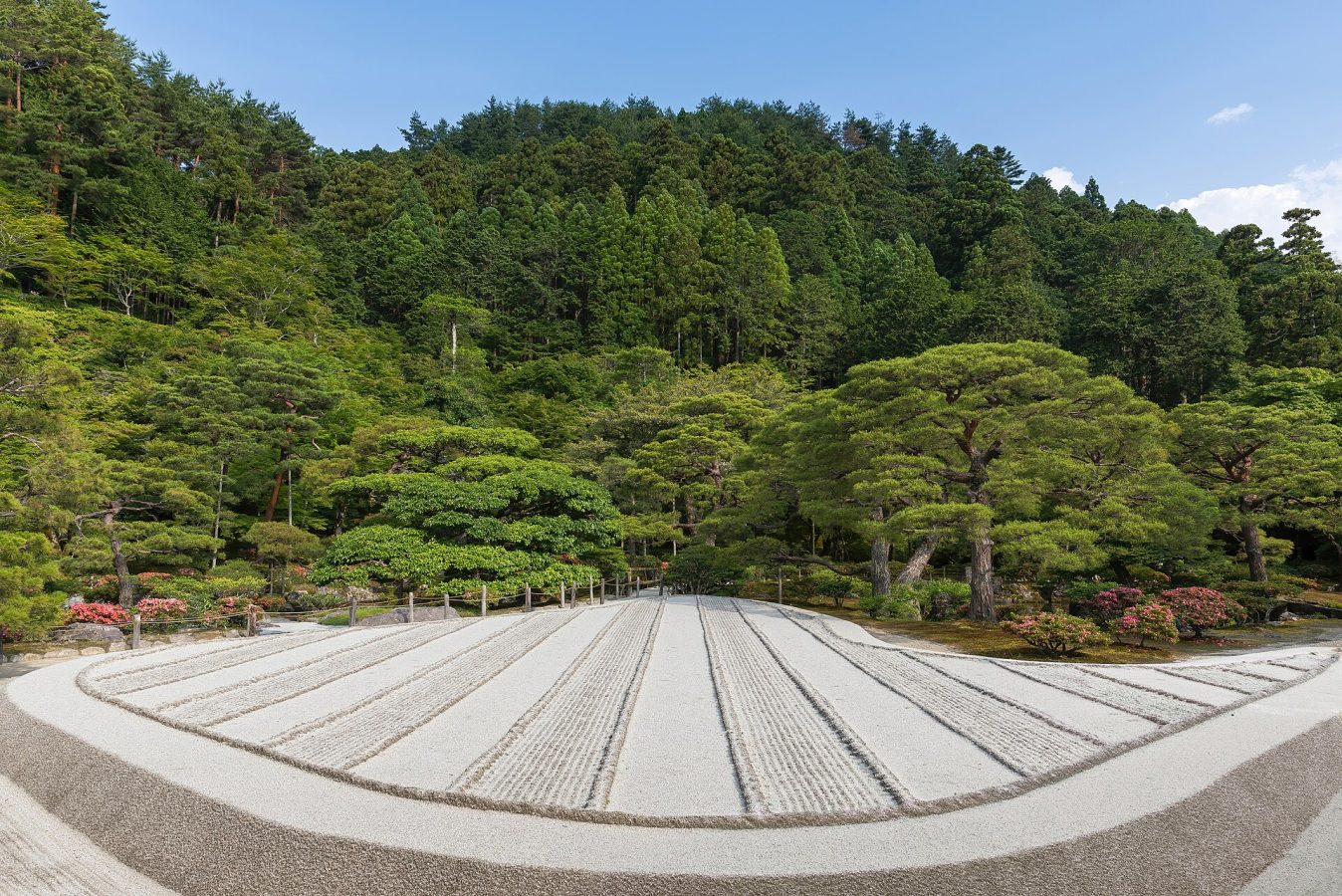
Photo: Basile Morin, CC BY-SA 4.0
No ticket for Ginkaku-ji alone is sold online, and there is no need for one. Admission is paid at the gate on arrival, the queue moves quickly, and there are no timed slots; the paper ticket is itself a small talisman worth keeping. The temple does not run its own guided tours in English, so what you are really choosing is how to get there and whether to have someone explain what you are seeing. Most visitors come independently by city bus or on foot along the Philosopher's Path from Nanzen-ji, which is the most rewarding approach.
A second option is a guided walking tour of the Higashiyama district, which often links Ginkaku-ji with the canal path, Nanzen-ji and Heian Shrine, with the guide covering the history of the Ashikaga shoguns and the ideas behind Zen gardens. Such walks normally include the guide and sometimes public transport between stops, while the temple admission is paid separately at the gate. Full-day coach tours of Kyoto tend to prefer the Golden Pavilion, Kinkaku-ji, and skip this one, so if the Silver Pavilion matters to you, check the itinerary before booking. The page lists any GetYourGuide tours whose route passes the temple. For most people a self-guided visit, with a good map of the eastern hills, is the sensible choice.
Live prices from GetYourGuide for tickets and tours that include this temple. Free cancellation on most of them.
Ginkaku-ji began as the retirement villa of the shogun Ashikaga Yoshimasa, who started building it in the 1480s on the slopes of the eastern hills, consciously modelled on the Golden Pavilion of his grandfather. After his death in 1490 the villa became a Zen temple, officially Jisho-ji, now linked to the Shokoku-ji branch of Rinzai Zen. The famous silver covering was never applied; the plain dark wood is what Yoshimasa himself saw, and that unfinished restraint is the point of the place. The temple is part of the Historic Monuments of Ancient Kyoto World Heritage Site. A narrow lane between tall camellia hedges leads from the gate into the grounds, and a one-way path takes you round.
First come two raked sand forms: a flat sea of white sand combed into ridges and a truncated sand cone, said to be for viewing the moon. Beyond them the two-storey Kannon-den, the Silver Pavilion itself, stands over its pond. Look also for the Togu-do, a National Treasure that contains one of the oldest surviving rooms for the tea ceremony, though it is usually viewed only from outside. The path then climbs through moss gardens and cedar woods to a lookout where the pavilion, the city and the western hills line up in one view. Keep to the path, do not step on the moss or sand, and do not smoke. Halls are not generally open to walk through. From Kyoto Station take a city bus to the Ginkakuji-michi stop and walk ten minutes uphill along the canal.
The temple opens at about 8.30 am in the warmer months and slightly later in winter, closing in the late afternoon; check the official site for the current hours, as they change with the season and for special openings of the inner halls. Arrive at opening time if you can. By mid morning the lane to the gate fills with school groups and coach parties, and the one-way path becomes slow. The last hour before closing is the other quiet window, with low light on the sand cone.
The best seasons are early April, when the cherry trees along the Philosopher's Path flower, and mid to late November for the maples, though both bring large crowds. A snowfall in winter is rare but transforms the gardens, and June rain makes the moss at its greenest. Allow 45 minutes to an hour inside. Combine it with the 2 km walk along the Philosopher's Path to Eikan-do and Nanzen-ji, which fills a relaxed half day, or with Honen-in, a small temple a few minutes south.
2 km away
Nanzen-ji is one of the easiest major temples in Kyoto to visit on your own, and there is little to book in advance.
1 ticket or tour
2 km away
Entry to the courtyard of Heian Jingu is free, and there is nothing to book.
2 tickets & tours
3 km away
Yasaka Shrine is open to everyone, at all hours and without charge, so there is nothing to buy in order to visit.
2 tickets & tours
Yes. GetYourGuide sells tickets and guided tours whose route includes Ginkaku-ji (Silver Pavilion); live prices are shown on this page.
The temple opens at about 8.30 am in the warmer months and slightly later in winter, closing in the late afternoon; check the official site for the current hours, as they change with the season and for special openings of the inner halls.
Allow 45 minutes to an hour inside.
Entry to Ginkaku-ji (Silver Pavilion): JPY 500
No strict dress code; modest clothing is appreciated.
Ginkaku-ji (Silver Pavilion) covers 5.7 ha.
Ginkaku-ji (Silver Pavilion) was established in 1482.
Ginkaku-ji (Silver Pavilion) is in Kyoto, Japan. The map on this page shows the exact spot.
How to visit a Buddhist temple: shoes, dress and manners — Shoes, dress, feet, photos and offerings in Buddhist temples, from the wats of Thailand and Sri Lanka to the Zen temples of Japan.
Kyoto, Japan
Kiyomizu-dera does not sell timed tickets, and there is nothing to book for an independent visit: the grounds are open…
40 tickets & tours
Kyoto, Japan
There is nothing to buy to enter Fushimi Inari: the grounds and the mountain trails are open free of charge at all…
38 tickets & tours
Kyoto, Japan
Kinkaku-ji is simple to visit on your own: you pay at the gate on arrival, and the ticket, a paper talisman printed…
19 tickets & tours
Kyoto, Japan
Ryoan-ji sells its own entry ticket at the gate, and for most visitors that is all that is needed.
3 tickets & tours
Kyoto, Japan
Entry to the courtyard of Heian Jingu is free, and there is nothing to book.
2 tickets & tours
Kyoto, Japan
Kifune Shrine has no admission fee and nothing to reserve.
2 tickets & tours