
Kiyomizu-dera
Kyoto, Japan
Kiyomizu-dera does not sell timed tickets, and there is nothing to book for an independent visit: the grounds are open…
40 tickets & tours
Buddhist Temple · Kyoto · Japan
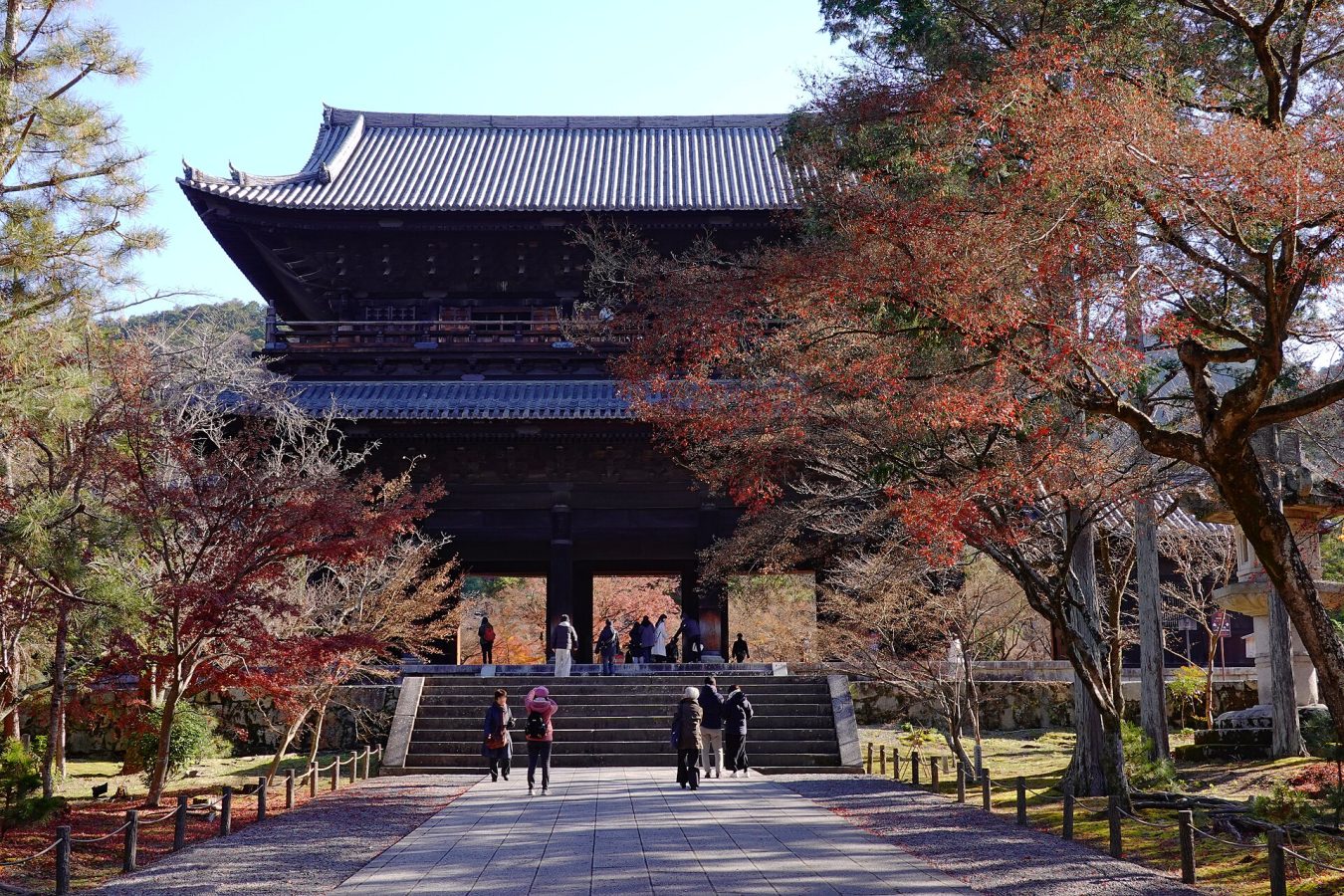
Photo: 663highland, CC BY-SA 4.0
Nanzen-ji is one of the easiest major temples in Kyoto to visit on your own, and there is little to book in advance. The wide grounds, the brick aqueduct and the paths through the pine trees are open without charge. Separate small fees are collected at three points: the Sanmon gate, whose upper balcony you can climb; the Hojo, the abbot's quarters with its painted screens and dry garden; and the sub-temple Nanzen-in behind the aqueduct. Each is paid in cash at its own window, and none needs a reservation. Organised options are limited.
Some visitors arrive on a rickshaw ride through the Higashiyama district, where a runner pulls you past the Heian Shrine area and the canal-side streets and stops near the temple gate; the price covers the ride and the commentary, not the temple fees. Half-day and full-day guided walks of eastern Kyoto sometimes include Nanzen-ji alongside Ginkaku-ji and the Philosopher's Path, and these usually leave entry costs to you. For most travellers the sensible plan is to come independently by subway, buy the Hojo ticket and the gate ticket, and combine the visit with a walk north along the Philosopher's Path. A guide adds value mainly if you want the history of Zen and of the garden explained as you go.
Live dates and prices from GetYourGuide. Free cancellation on most tickets.
Nanzen-ji was founded in 1291 by Emperor Kameyama, who turned his former detached palace at the foot of the Higashiyama hills into a Zen temple. It became the head of the Rinzai Nanzen-ji school and, in the medieval ranking of Zen monasteries, was placed above all the others. Fires destroyed it several times in the 14th and 15th centuries, and most of what you see today dates from rebuilding from the late 1500s onwards. The approach leads to the Sanmon, a massive two-storey wooden gate rebuilt in 1628. Steep stairs take you to a balcony with a broad view over the treetops towards the city; it is the setting of a famous kabuki scene in which the outlaw Ishikawa Goemon admires the panorama. Beyond it stands the lecture hall and, to the right, the Hojo.
Its rooms hold screen paintings on gold ground, including tigers by Kano Tanyu, and the building is a National Treasure. Its main garden, attributed to Kobori Enshu, is a rectangle of raked white gravel with rocks and clipped shrubs set against a plastered wall, best seen sitting quietly on the veranda. Do not miss the red-brick aqueduct of 1890, built to carry water from the Lake Biwa Canal straight through the temple grounds; you can walk up beside it and follow the channel along the hillside. Behind it, Nanzen-in has a pond garden in deep shade. Inside the Hojo, shoes come off and photography of the screen paintings is not allowed. Keep voices low on the verandas. The temple is about a ten-minute walk from Keage station on the Tozai subway line.
The grounds are open from early morning, while the paid halls and the gate keep shorter daytime hours, roughly from 8.30 am to late afternoon, with an earlier close in winter; check the official site before you go. The temple is closed to visitors for a few days at the very end of December. Early morning is the best time, when the gravel garden is empty and the light comes low through the pines.
Coach groups tend to arrive from late morning. Autumn is the high point, with maples around the Sanmon and the aqueduct turning red from mid to late November, and crowds to match. Spring brings cherry blossom along the nearby canal in early April. Summer is hot and humid, but the shaded paths behind the aqueduct stay cool. Allow one and a half to two hours to see the gate, the Hojo and the aqueduct at an easy pace. Combine the visit with Eikan-do, the Philosopher's Path and Ginkaku-ji to the north, or with the Heian Shrine and the Okazaki museums to the west.
Yes. GetYourGuide lists one ticket or tour for Nanzen-ji, with live dates and prices and free cancellation on most of them.
The wide grounds, the brick aqueduct and the paths through the pine trees are open without charge.
Allow one and a half to two hours to see the gate, the Hojo and the aqueduct at an easy pace.
Early morning is the best time, when the gravel garden is empty and the light comes low through the pines.
Entry to Nanzen-ji: Grounds free; small fees for gate and halls
No formal dress code; shoes off inside the abbot's quarters, so wear socks you are happy to show.
Nanzen-ji was established in 1291.
Nanzen-ji is in Kyoto, Japan. The map on this page shows the exact spot.
How to visit a Buddhist temple: shoes, dress and manners — Shoes, dress, feet, photos and offerings in Buddhist temples, from the wats of Thailand and Sri Lanka to the Zen temples of Japan.
Kyoto, Japan
Kiyomizu-dera does not sell timed tickets, and there is nothing to book for an independent visit: the grounds are open…
40 tickets & tours
Kyoto, Japan
There is nothing to buy to enter Fushimi Inari: the grounds and the mountain trails are open free of charge at all…
38 tickets & tours
Kyoto, Japan
Kinkaku-ji is simple to visit on your own: you pay at the gate on arrival, and the ticket, a paper talisman printed…
19 tickets & tours
Kyoto, Japan
Ryoan-ji sells its own entry ticket at the gate, and for most visitors that is all that is needed.
3 tickets & tours
Kyoto, Japan
Entry to the courtyard of Heian Jingu is free, and there is nothing to book.
2 tickets & tours
Kyoto, Japan
Kifune Shrine has no admission fee and nothing to reserve.
2 tickets & tours


