
Kiyomizu-dera
Kyoto, Japan
Kiyomizu-dera does not sell timed tickets, and there is nothing to book for an independent visit: the grounds are open…
40 tickets & tours
Buddhist Temple · Kyoto · Japan
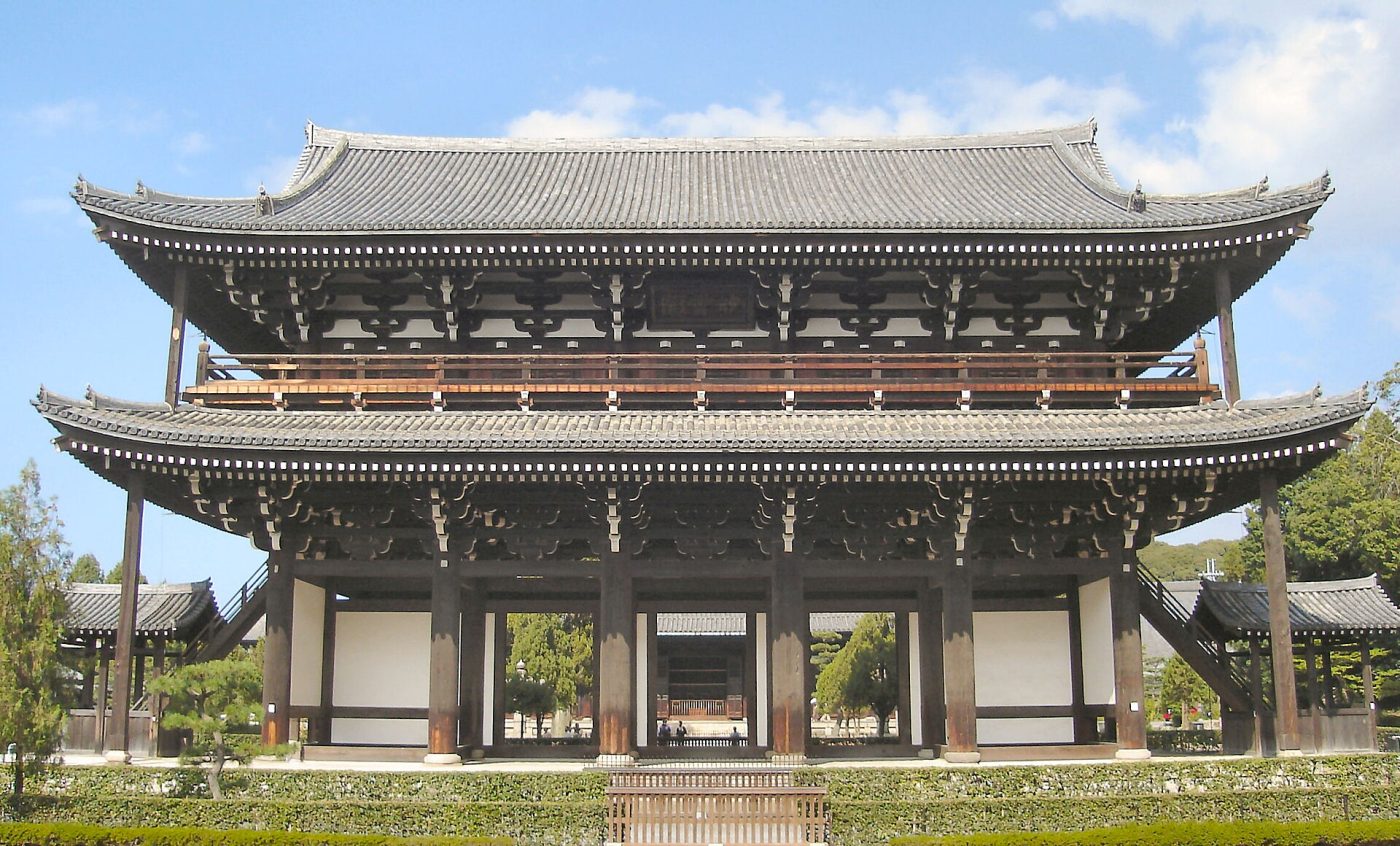
Photo: PlusMinus, CC BY-SA 3.0
Tofuku-ji is a large Zen monastery in south-east Kyoto, one stop from Fushimi Inari, and visiting it needs no booking. The grounds and the great gate are free to walk through, and you pay separately at small ticket windows for the two main sights: the Tsutenkyo bridge with the founder's hall beyond it, and the gardens around the abbot's quarters. Fees are modest and rise slightly in the autumn foliage season, when a combined ticket is also sold. Two kinds of guided tour include the temple. The first is a photography walk with a professional photographer who takes a small group through Tofuku-ji and the torii gate tunnels of Fushimi Inari, giving tips on composition and light;
it suits people who want good pictures of the maples and the vermilion gates and like a local guide's company. The second is an electric bicycle tour that links the two sites with quieter backstreets and smaller shrines in the south of the city; bike, helmet and guide are included, while temple entry fees are normally paid on the day. Neither is necessary to enjoy the place, but both solve the practical problem of combining two of Kyoto's busiest sights in one morning. Independent visitors simply take the JR Nara line or the Keihan line to Tofukuji station and walk about ten minutes. In late November, when the queues for the bridge can be very long, an early start matters more than any ticket.
Live dates and prices from GetYourGuide. Free cancellation on most tickets.
Tofuku-ji was founded in 1236 by the court official Kujo Michiie, who took its name from two great temples of Nara, Todai-ji and Kofuku-ji, and invited the monk Enni, freshly returned from studying Zen in China, to lead it. It became one of the five great Zen temples of Kyoto. Fires and the anti-Buddhist reforms of the Meiji era shrank it from some seventy buildings to about two dozen, and several of the main halls are early twentieth-century rebuildings, but the monastery still feels vast. The most important survivor is the sanmon, the main gate, a two-storey wooden structure from the fifteenth century and the oldest Zen gate of its kind in Japan; it is a National Treasure. Nearby is the old communal latrine of the monks, a rare medieval building in its own right.
In the great Buddha hall, look up at the huge blue dragon painted on the ceiling in 1933. Most visitors come for the Tsutenkyo, a covered wooden bridge that spans a small ravine filled with maples. In autumn the view from it down into a sea of red leaves is one of the most famous in Kyoto. Beyond it lies the founder's hall with its raked gravel. The other highlight is the garden of the hojo, the abbot's quarters, laid out in 1939 by Mirei Shigemori in four parts: bold rock and gravel compositions, clipped azaleas, and a chequerboard of moss and square stones that has become an icon of modern Japanese design. Remove your shoes in the hojo, keep off the gravel and moss, and expect photography to be restricted on the bridge in peak autumn weeks.
The paid areas open in the morning, generally around 9 am, and close in the late afternoon, around 4 pm, with earlier opening in the autumn season; check the temple's official site for the exact times, which change through the year. For most of the year Tofuku-ji is a calm place, quieter than the big sights of Higashiyama, and any time of day works. In the second half of November, when the maples peak, it becomes one of the most crowded places in Kyoto: come at opening time or be prepared to queue for the bridge.
Early spring and the green maple season in May and June are lovely and much less busy, and the moss garden looks its best after rain in June. Allow an hour and a half to see the bridge, the founder's hall and the hojo garden without hurrying, longer if you visit some of the sub-temples, a few of which open their own gardens. Tofuku-ji pairs naturally with Fushimi Inari Taisha, one station south or a twenty-minute walk; visit the shrine at dawn and the temple when it opens. Sanjusangen-do and the Kyoto National Museum lie a short ride to the north.
Yes. GetYourGuide lists 2 tickets and tours for Tofuku-ji, with live dates and prices and free cancellation on most of them.
Allow an hour and a half to see the bridge, the founder's hall and the hojo garden without hurrying, longer if you visit some of the sub-temples, a few of which open their own gardens.
No dress code; shoes off in the abbot's quarters and halls.
Entry to Tofuku-ji: Grounds free; gardens and bridge paid
Tofuku-ji was established in 1236.
Tofuku-ji is in Kyoto, Japan. The map on this page shows the exact spot.
How to visit a Buddhist temple: shoes, dress and manners — Shoes, dress, feet, photos and offerings in Buddhist temples, from the wats of Thailand and Sri Lanka to the Zen temples of Japan.
Kyoto, Japan
Kiyomizu-dera does not sell timed tickets, and there is nothing to book for an independent visit: the grounds are open…
40 tickets & tours
Kyoto, Japan
There is nothing to buy to enter Fushimi Inari: the grounds and the mountain trails are open free of charge at all…
38 tickets & tours
Kyoto, Japan
Kinkaku-ji is simple to visit on your own: you pay at the gate on arrival, and the ticket, a paper talisman printed…
19 tickets & tours
Kyoto, Japan
Ryoan-ji sells its own entry ticket at the gate, and for most visitors that is all that is needed.
3 tickets & tours
Kyoto, Japan
Entry to the courtyard of Heian Jingu is free, and there is nothing to book.
2 tickets & tours
Kyoto, Japan
Kifune Shrine has no admission fee and nothing to reserve.
2 tickets & tours


