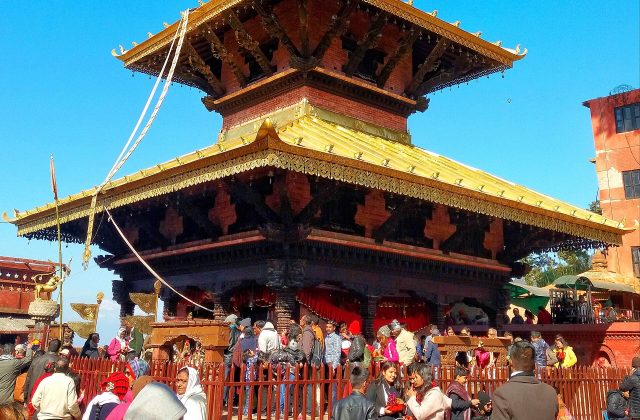
Kandariya Mahadeva Temple, Khajuraho
318 km away
Kandariya Mahadeva stands in the fenced Western Group of temples, and a single ticket from the Archaeological Survey of…
45 tickets & tours
Buddhist Temple · Sarnath · India
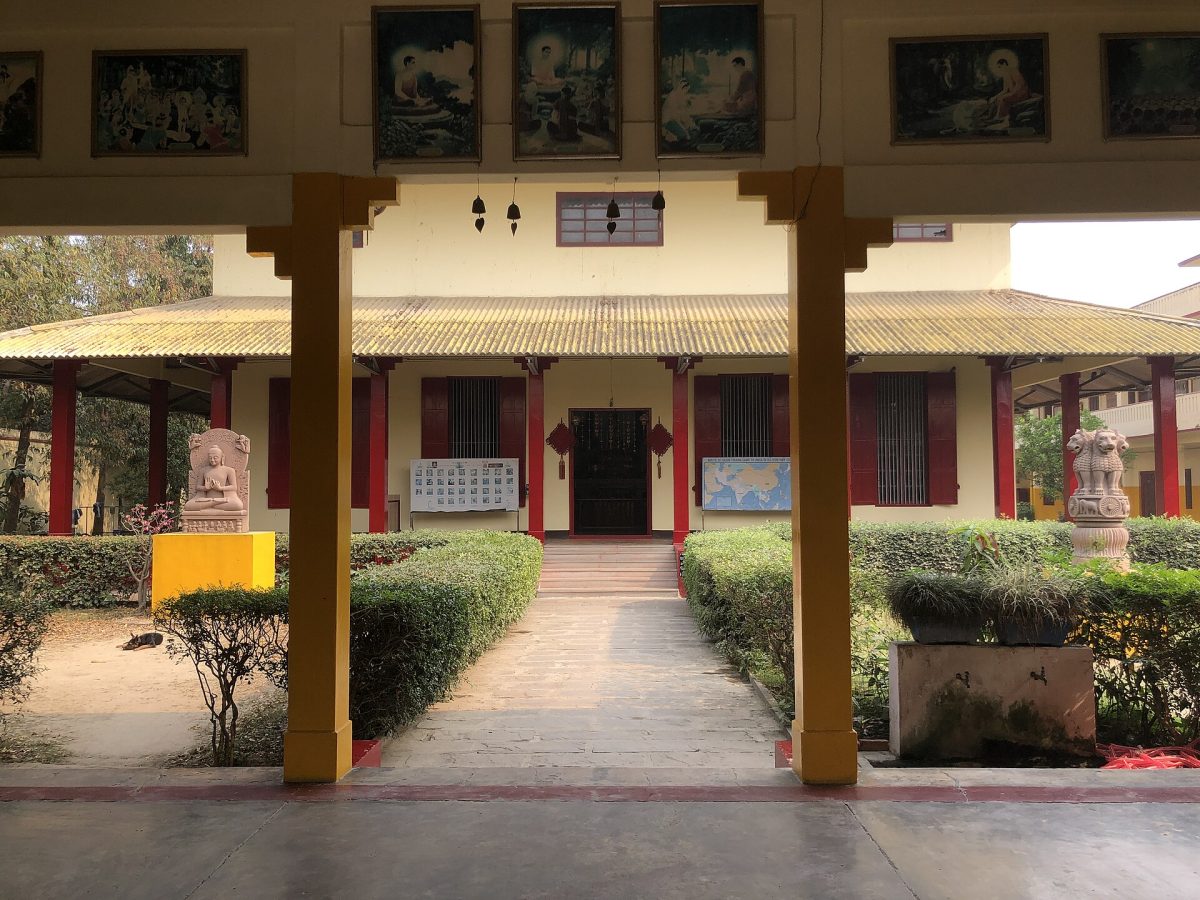
Photo: Davide Mauro, CC BY-SA 4.0
No ticket for the Buddhist temples of Sarnath is sold online, and none is needed for the temples themselves. The Chinese, Thai, Tibetan, Japanese and Sri Lankan shrines that line the roads around the old Deer Park are all free to enter, with donation boxes inside. What is charged is the archaeological park around the Dhamek Stupa, run by the Archaeological Survey of India, which has a ticket bought at the gate or online with a higher rate for foreign visitors, and the small Archaeological Museum opposite, which has its own fee. Sarnath lies about 10 km north-east of central Varanasi, and most visitors come out for a morning or a half-day.
The simplest option is an auto-rickshaw or taxi from the ghats, with the driver waiting while you walk between the temples, which are all within a kilometre of each other. Half-day guided trips from Varanasi are also common: they usually include a car, a guide who can explain the excavated monasteries and the life of the Buddha, and sometimes the entry tickets, while lunch and donations are extra. Many full-day Varanasi tours combine a sunrise boat ride on the Ganges in the morning with Sarnath in the afternoon, which works well if your time in the city is short. The page lists any GetYourGuide tours whose route passes the temples.
Live prices from GetYourGuide for tickets and tours that include this temple. Free cancellation on most of them.
Sarnath is where the Buddha gave his first sermon after his enlightenment, setting in motion what Buddhists call the Wheel of the Dharma, and it is one of the four great places of Buddhist pilgrimage. The emperor Ashoka raised monuments here in the 3rd century BC, monasteries flourished for well over a thousand years, and the site was abandoned and largely forgotten after the 12th century until excavations brought it back to light. At the heart of the old site rises the massive Dhamek Stupa, its lower drum still wrapped in carved stone bands of floral and geometric ornament, surrounded by the brick foundations of monasteries and the stump of an Ashokan pillar.
Its polished lion capital, now the national emblem of India, is displayed in the museum across the road. Around this core, Buddhist countries and communities have built their own temples over the past century. The best known is the Mulagandha Kuti Vihara, completed in 1931 by the Maha Bodhi Society, whose walls are covered with murals of the Buddha's life painted by the Japanese artist Kosetsu Nosu. The Chinese temple, with its red columns and gilded altar, the Tibetan temple with its prayer wheels and painted thangkas, and the Thai temple with its tall standing Buddha in the garden each show a different tradition of the same faith. Take off your shoes in the shrine halls, walk clockwise around stupas and images, and keep your voice down where monks or pilgrims are chanting. Photography is usually allowed in the gardens but ask before using a camera inside.
The temples open from early morning until early evening, often closing for a couple of hours around midday. The archaeological park is open from sunrise to sunset, while the Archaeological Museum is closed on Fridays, which is worth remembering when you plan the day. Morning is the best time, when the light falls softly on the stupa and monks gather for prayers; late afternoon is also pleasant.
October to March is the most comfortable season in this part of Uttar Pradesh, and winter is when pilgrims from Sri Lanka, Thailand, Myanmar and Tibet arrive in the largest numbers. Buddha Purnima, the full moon of the Buddha's birth, enlightenment and death, usually in May, brings processions and ceremonies. The anniversary of the Mulagandha Kuti Vihara in November draws pilgrims to see the relics kept there brought out for veneration. Allow three to four hours for the temples, the excavated site and the museum. Return to Varanasi for the evening aarti on the ghats.
318 km away
Kandariya Mahadeva stands in the fenced Western Group of temples, and a single ticket from the Archaeological Survey of…
45 tickets & tours
320 km away
There is no ticket for the temple itself; worshippers pay only for their offerings.
3 tickets & tours
326 km away
Janaki Mandir is a busy Hindu temple and entry to the main courtyard and shrine is free;
1 ticket or tour
Yes. GetYourGuide sells tickets and guided tours whose route includes Buddhist Temples of Sarnath; live prices are shown on this page.
The temples open from early morning until early evening, often closing for a couple of hours around midday.
Allow three to four hours for the temples, the excavated site and the museum.
Morning is the best time, when the light falls softly on the stupa and monks gather for prayers; late afternoon is also pleasant.
Shoulders and knees covered; shoes off inside the shrine halls.
Entry to Buddhist Temples of Sarnath: Free; ruins and museum ticketed
Buddhist Temples of Sarnath is in Sarnath, India. The map on this page shows the exact spot.
How to visit a Buddhist temple: shoes, dress and manners — Shoes, dress, feet, photos and offerings in Buddhist temples, from the wats of Thailand and Sri Lanka to the Zen temples of Japan.