Hindu Temple · Gorkha · Nepal
Manakamana Temple
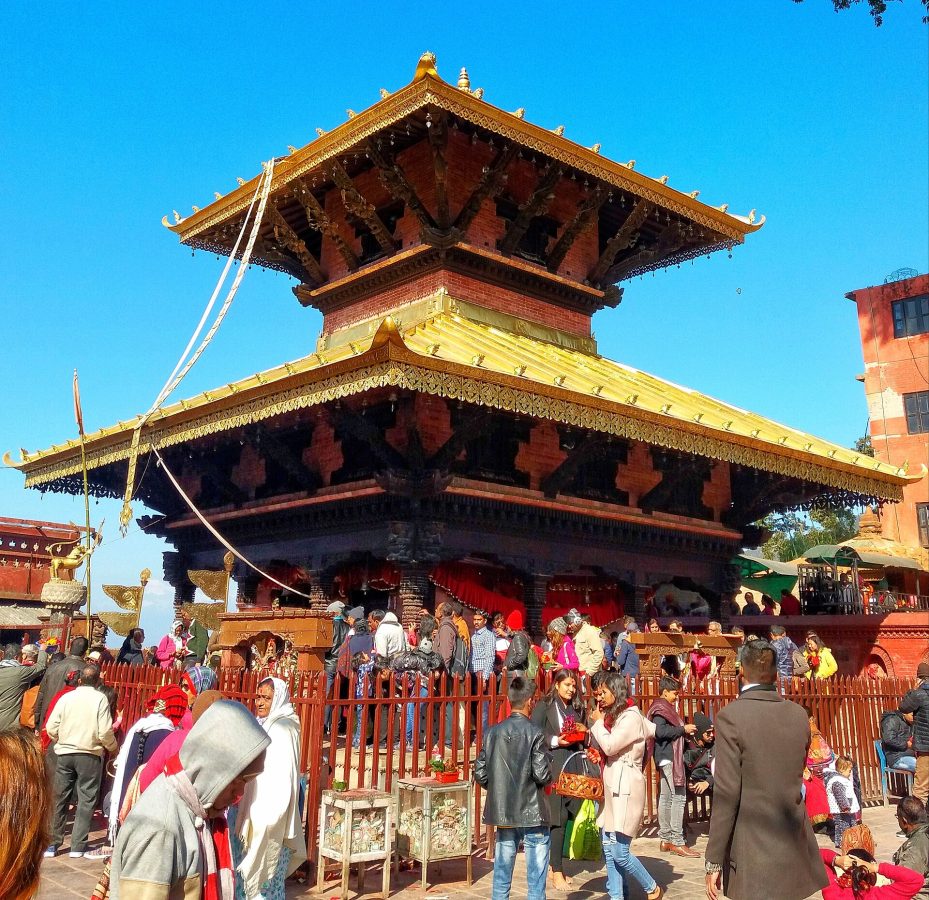
Photo: Bhupendra Shrestha, CC BY-SA 4.0
- Type
- Hindu Temple
- Religion
- Hinduism
- Founded
- 1678 (17th century, traditionally 1678)
- Entry
- Free; cable car fare extra
- Dress code
- Modest dress; shoes and leather off before approaching the shrine.
- Tickets
- 3 tickets and tours
Manakamana Temple tickets and tours: which one to book
There is no ticket for the temple itself; worshippers pay only for their offerings. The real choice is how to get up the hill. The Manakamana cable car, opened in 1998, rises from Kurintar on the Prithvi Highway to the ridge in about ten minutes, with views over the Trishuli river; the fare is charged separately and foreigners pay a higher rate than Nepali citizens. The alternative is the old pilgrim path from Abu Khaireni, a steep climb of about three hours. What is sold online are road trips by private car or van with a driver and guide, which make sense because the temple lies roughly halfway between Kathmandu and Pokhara.
One kind is a long day trip from Kathmandu that combines the temple with Gorkha Durbar, the hilltop palace of the Shah kings. A similar tour runs from Pokhara. A third option is a private transfer between the two cities that builds in a stop for the cable car and the temple, a good way to turn the long drive into a sightseeing day. Vehicle, driver and guide are usually included; the cable car fare, Gorkha Durbar entry and meals are often extra. For most travellers the transfer with a stop is the best value, since you are making the journey anyway. Choose the Gorkha combination if history interests you, and allow for slow highway traffic.
3 tickets and tours for Manakamana Temple
Live dates and prices from GetYourGuide. Free cancellation on most tickets.
Visiting Manakamana Temple: what to see and how to behave
Manakamana is one of the most visited Hindu temples in Nepal, dedicated to Bhagwati, the goddess believed to fulfil the wishes of her devotees; the name means roughly the one who grants the wishes of the heart. It stands on a ridge at about 1,300 m above the confluence of the Trishuli and Marsyangdi rivers, and on clear days the view reaches the snow peaks of the Manaslu and Annapurna ranges. The temple is a two-tiered pagoda in the traditional Nepali style, set in a paved square with bells and small subsidiary shrines, and surrounded by a village of shops selling flowers, red powder and sweets. Legend links it to a 17th-century queen of Gorkha with divine powers and to her devotee Lakhan Thapa, a Magar holy man;
by custom the temple priests are still drawn from his descendants, an unusual arrangement in Nepal. Worshippers queue, often for hours on busy days, to make offerings at the shrine, and some offer animal sacrifices of goats and fowl, carried out at a pavilion behind the temple. Visitors should be ready for this and keep cameras away from the rituals. Remove shoes and leather before approaching the shrine, walk around the temple clockwise and accept the tika and blessings with the right hand. The cable car station at Kurintar is about three to four hours by road from Kathmandu and slightly less from Pokhara. At the top, a short walk uphill through the bazaar leads to the temple.
Manakamana Temple: opening hours, ceremonies and the best time to go
The temple is open from early morning until evening, and the cable car runs during daytime hours with a break at midday; check the times on the day, as they vary. Early morning is the most rewarding time, with clearer mountain views and shorter queues. Saturdays and public holidays are extremely busy, with long waits for both the cable car and darshan, so travel on a weekday if you can. The clearest skies are from October to December and in March and April.
The festivals of Dashain in late September or October and Nag Panchami in summer draw huge crowds of pilgrims; the temple is at its most animated then, but the queues can be very long. The monsoon from June to September often hides the mountains and slows traffic on the highway because of landslides. Allow two to three hours including the cable car and the queue for the shrine. Combine the temple with Gorkha Durbar, or simply break the drive between Kathmandu and Pokhara, perhaps with a night at Bandipur, an old Newar trading town on a ridge nearby.
More tours and activities in Gorkha
Before you go
Can I book a temple tour or ticket in Manakamana Temple online?
Yes. GetYourGuide lists 3 tickets and tours for Manakamana Temple, with live dates and prices and free cancellation on most of them.
When is Manakamana Temple open?
The temple is open from early morning until evening, and the cable car runs during daytime hours with a break at midday; check the times on the day, as they vary.
How many days do you need in Manakamana Temple?
Allow two to three hours including the cable car and the queue for the shrine.
What should I wear to visit Manakamana Temple?
Modest dress; shoes and leather off before approaching the shrine.
How much is the entrance fee for Manakamana Temple?
Entry to Manakamana Temple: Free; cable car fare extra
When was Manakamana Temple founded?
Manakamana Temple was established in 1678.
Where is Manakamana Temple?
Manakamana Temple is in Gorkha, Nepal. The map on this page shows the exact spot.
How to visit a Hindu temple: dress, shoes and access — What to wear, what to leave at the gate and where non-Hindus may go in Hindu temples in India, Nepal, Bali and South-East Asia.