
Kiyomizu-dera
Kyoto, Japan
Kiyomizu-dera does not sell timed tickets, and there is nothing to book for an independent visit: the grounds are open…
40 tickets & tours
Buddhist Temple · Kyoto · Japan
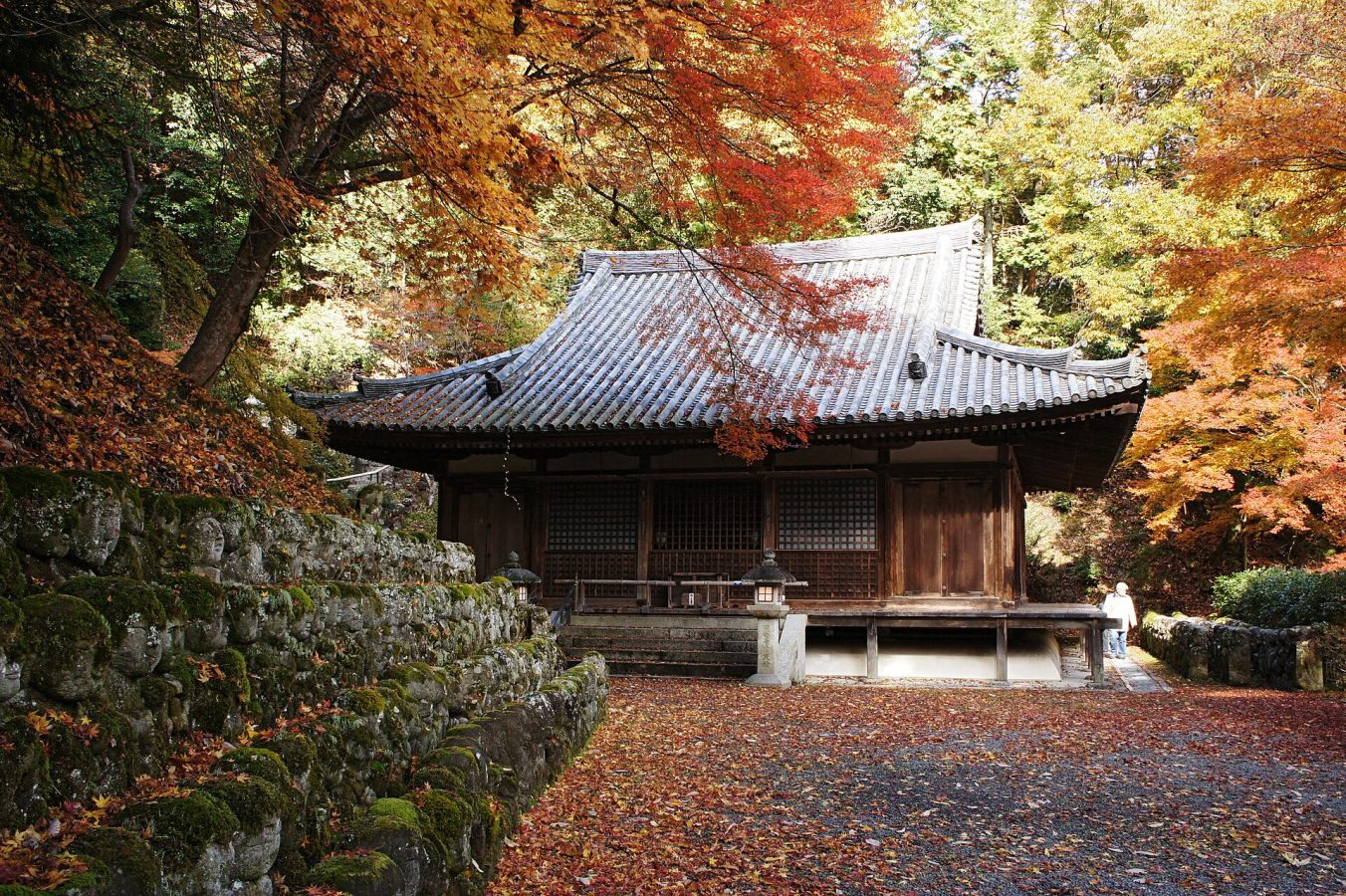
Photo: 663highland, CC BY 2.5
Otagi Nenbutsu-ji sits at the far end of the Saga-Toriimoto valley, well beyond the busy centre of Arashiyama, and a visit requires no reservation. A small admission is paid in cash at the gate, and there are no timed slots or separate tickets inside. Its remote position is the main reason people consider a tour. Day trips by car or minibus, some starting from Osaka or the northern suburbs, take in the bamboo grove and the riverside of Arashiyama and then drive up the valley to the temple, saving the long uphill walk. Transport and a guide or driver are usually included, while temple fees and lunch are often paid on the spot.
Such outings suit travellers with limited time or limited mobility, and those who want to fit several Arashiyama temples into one day. Independent visitors have two choices. A Kyoto city bus runs from the Arashiyama area up the valley and stops just below the temple gate, though services are infrequent, so note the return times. Alternatively, walk about 30 to 40 minutes from the bamboo grove through Saga-Toriimoto, a preserved street of thatched and wooden houses, passing Adashino Nenbutsu-ji on the way; the walk is gently uphill and is pleasant in itself. Taxis from Saga-Arashiyama station take about ten minutes.
Live dates and prices from GetYourGuide. Free cancellation on most tickets.
The temple has had a turbulent history. It was founded in 766 by Empress Shotoku in the eastern part of Kyoto, near present-day Gion, then washed away by the Kamo river, rebuilt as a dependency of the Tendai monastery on Mount Hiei, and wrecked again in the civil wars of the 13th century. In 1922 its main hall, a Kamakura-period building now listed as an Important Cultural Property, was dismantled and moved to this quiet hillside to save it. A typhoon badly damaged the site in 1950. Its revival began when Kocho Nishimura, a sculptor and restorer of Buddhist statues who had become a monk, took charge in 1955. From 1981 he invited ordinary people, most of them amateurs, to carve stone figures of rakan, the enlightened disciples of the Buddha, under his guidance.
Over the following decade some 1,200 statues were completed, and they now crowd the slopes and terraces around the halls. The appeal lies in their variety. Each rakan reflects its carver: some sit in prayer, others laugh, drink sake, hug each other, hold a camera or a tennis racket, or play musical instruments. Decades of damp have covered them in soft green moss, which gives the whole hillside a gentle, slightly comic charm. Take your time on the upper terraces, where fewer visitors go and some of the most expressive figures sit half-hidden among the ferns. The temple is a working place of worship, so keep noise down, do not climb on or touch the statues, and keep to the paths.
The temple is open daily during the daytime, from about 8 am to late afternoon; check the official site for current hours and any closures for events. Because it lies so far from the main sights, Otagi Nenbutsu-ji is rarely crowded, but early morning still gives the best atmosphere, with soft light on the moss and few photographers. The rainy season in June and the days after a shower are ideal, as the moss glows bright green.
Autumn colour arrives in mid to late November and draws more people up the valley, while winter is quiet and occasionally brings a dusting of snow on the statues' heads. Summer afternoons can be hot and humid, with mosquitoes in the shade. Allow about an hour at the temple, plus travel time from central Arashiyama. Combine it with Adashino Nenbutsu-ji and its thousands of small stone figures, the Saga-Toriimoto street, Gio-ji's moss garden, and the bamboo grove and Tenryu-ji on the way back.
Yes. GetYourGuide lists one ticket or tour for Otagi Nenbutsu-ji, with live dates and prices and free cancellation on most of them.
The temple is open daily during the daytime, from about 8 am to late afternoon; check the official site for current hours and any closures for events.
Allow about an hour at the temple, plus travel time from central Arashiyama.
Entry to Otagi Nenbutsu-ji: Small fee paid at the gate
No dress code; wear shoes with grip, as the stone steps are mossy and slippery when wet.
Otagi Nenbutsu-ji was established in 766.
Otagi Nenbutsu-ji is in Kyoto, Japan. The map on this page shows the exact spot.
How to visit a Buddhist temple: shoes, dress and manners — Shoes, dress, feet, photos and offerings in Buddhist temples, from the wats of Thailand and Sri Lanka to the Zen temples of Japan.
Kyoto, Japan
Kiyomizu-dera does not sell timed tickets, and there is nothing to book for an independent visit: the grounds are open…
40 tickets & tours
Kyoto, Japan
There is nothing to buy to enter Fushimi Inari: the grounds and the mountain trails are open free of charge at all…
38 tickets & tours
Kyoto, Japan
Kinkaku-ji is simple to visit on your own: you pay at the gate on arrival, and the ticket, a paper talisman printed…
19 tickets & tours
Kyoto, Japan
Ryoan-ji sells its own entry ticket at the gate, and for most visitors that is all that is needed.
3 tickets & tours
Kyoto, Japan
Entry to the courtyard of Heian Jingu is free, and there is nothing to book.
2 tickets & tours
Kyoto, Japan
Kifune Shrine has no admission fee and nothing to reserve.
2 tickets & tours


