
Kiyomizu-dera
Kyoto, Japan
Kiyomizu-dera does not sell timed tickets, and there is nothing to book for an independent visit: the grounds are open…
40 tickets & tours
Buddhist Temple · Kyoto · Japan
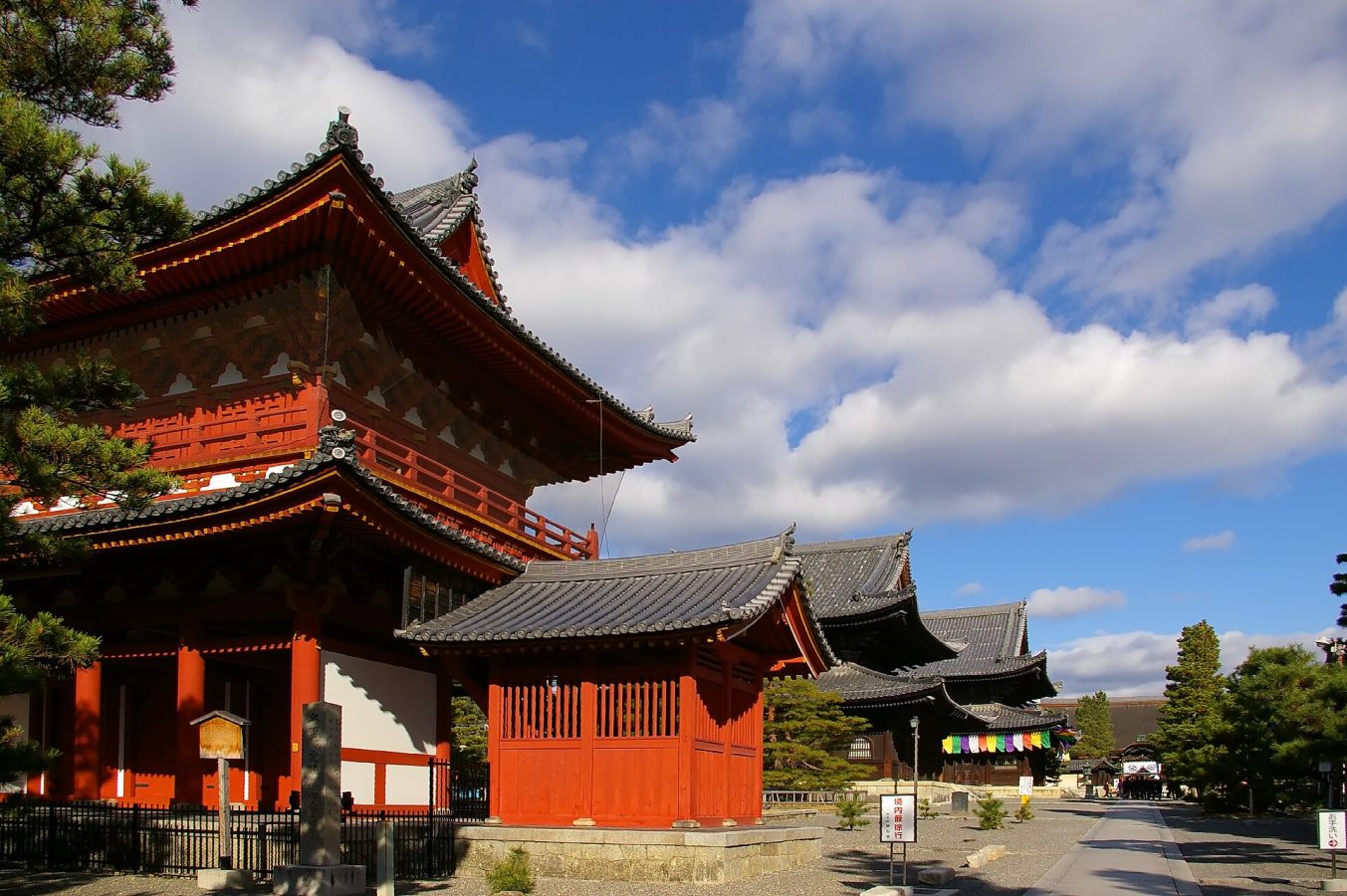
Photo: Tomomarusan, CC BY 2.5
Nothing needs to be booked to see Myoshin-ji. The great walled precinct is open to walk through for free, and you pay at the door of whatever you want to enter. The main buildings, including the lecture hall with its painted ceiling, the old bathhouse and the ancient bell, are shown on short guided visits led by temple staff in Japanese, which leave at regular intervals during the day for a modest fee. Each of the sub-temples that admit visitors charges its own entrance fee at the gate. The bookable option is a seasonal wellness session held at the temple, a yoga class in a temple setting that sometimes includes meditation or tea.
It suits travellers who want a slower, more personal experience than sightseeing; the price covers the session and the venue, and the rest of the complex is visited on your own afterwards. Some sub-temples also run their own zazen meditation sessions with explanations in English, which are booked directly with them. Myoshin-ji is easy to reach on your own. The south gate is a five-minute walk from Hanazono station on the JR Sagano line, about ten minutes from Kyoto station, and the north gate is close to Myoshinji station on the Randen tram line, which links it with Ryoan-ji, Ninna-ji and Arashiyama. City buses from central Kyoto also stop outside.
Live dates and prices from GetYourGuide. Free cancellation on most tickets.
Myoshin-ji is less a single temple than a walled Zen town. The retired Emperor Hanazono gave his villa to found it in 1342, with the Zen master Kanzan Egen as its first abbot, and it grew into the head temple of the largest branch of Rinzai Zen, with thousands of temples across Japan. Almost everything burned in the Onin War of 1467; the present buildings date mostly from the late fifteenth to the seventeenth centuries. The main halls stand in a line north of the south gate: the imperial messenger gate, the vermilion Sanmon gate of 1599, the Buddha hall and the lecture hall of 1656. The highlight of the guided visit is the lecture hall ceiling, painted by Kano Tan'yu with a huge dragon in clouds whose eyes seem to follow you as you walk around beneath it.
The visit also takes in a bell cast in 698, the oldest dated temple bell in Japan, and the old steam bathhouse of the monks. Around the core, lanes between high plastered walls lead past dozens of sub-temples, most of them closed to the public. Of those that open, Taizo-in is the one not to miss, with a celebrated early ink painting of a man trying to catch a catfish with a gourd, a dry landscape garden and a newer pond garden with a weeping cherry. Others open seasonally or by reservation. This is a working monastery, so keep voices low, stay out of areas marked private and do not photograph monks without asking. Photography is not allowed inside the halls.
The precinct gates are open from early morning until evening. The guided visits of the main halls and the open sub-temples typically run from 9 am to 4 or 5 pm, with some closures for ceremonies; check the official site before you go. Myoshin-ji is one of the calmest large temples in Kyoto, and even in peak season the lanes feel quiet compared with Kinkaku-ji or Kiyomizu-dera. Mornings are best, when monks may be seen at work around the sub-temples.
Late March and early April bring the weeping cherry at Taizo-in into flower, and the maples of the sub-temple gardens colour in mid to late November. Some sub-temples hold special openings in spring and autumn, when rooms and paintings normally kept closed are shown. Allow about two hours for the guided visit of the main halls, Taizo-in and a walk round the lanes. Combine it with Ryoan-ji, Kinkaku-ji and Ninna-ji, all within a short tram or bus ride to the north.
Yes. GetYourGuide lists one ticket or tour for Myoshin-ji, with live dates and prices and free cancellation on most of them.
Entry to Myoshin-ji: Grounds free; halls and sub-temples extra
The great walled precinct is open to walk through for free, and you pay at the door of whatever you want to enter.
Allow about two hours for the guided visit of the main halls, Taizo-in and a walk round the lanes.
Photography is not allowed inside the halls.
No dress code; shoes off inside the halls and sub-temples.
Myoshin-ji was established in 1342.
Myoshin-ji is in Kyoto, Japan. The map on this page shows the exact spot.
How to visit a Buddhist temple: shoes, dress and manners — Shoes, dress, feet, photos and offerings in Buddhist temples, from the wats of Thailand and Sri Lanka to the Zen temples of Japan.
Kyoto, Japan
Kiyomizu-dera does not sell timed tickets, and there is nothing to book for an independent visit: the grounds are open…
40 tickets & tours
Kyoto, Japan
There is nothing to buy to enter Fushimi Inari: the grounds and the mountain trails are open free of charge at all…
38 tickets & tours
Kyoto, Japan
Kinkaku-ji is simple to visit on your own: you pay at the gate on arrival, and the ticket, a paper talisman printed…
19 tickets & tours
Kyoto, Japan
Ryoan-ji sells its own entry ticket at the gate, and for most visitors that is all that is needed.
3 tickets & tours
Kyoto, Japan
Entry to the courtyard of Heian Jingu is free, and there is nothing to book.
2 tickets & tours
Kyoto, Japan
Kifune Shrine has no admission fee and nothing to reserve.
2 tickets & tours


