Byodo-in
Uji, Japan
Byodo-in sells its own tickets at the gate, and there is no need to book: the general admission covers the garden…
2 tickets & tours
Buddhist Temple · Uji · Japan
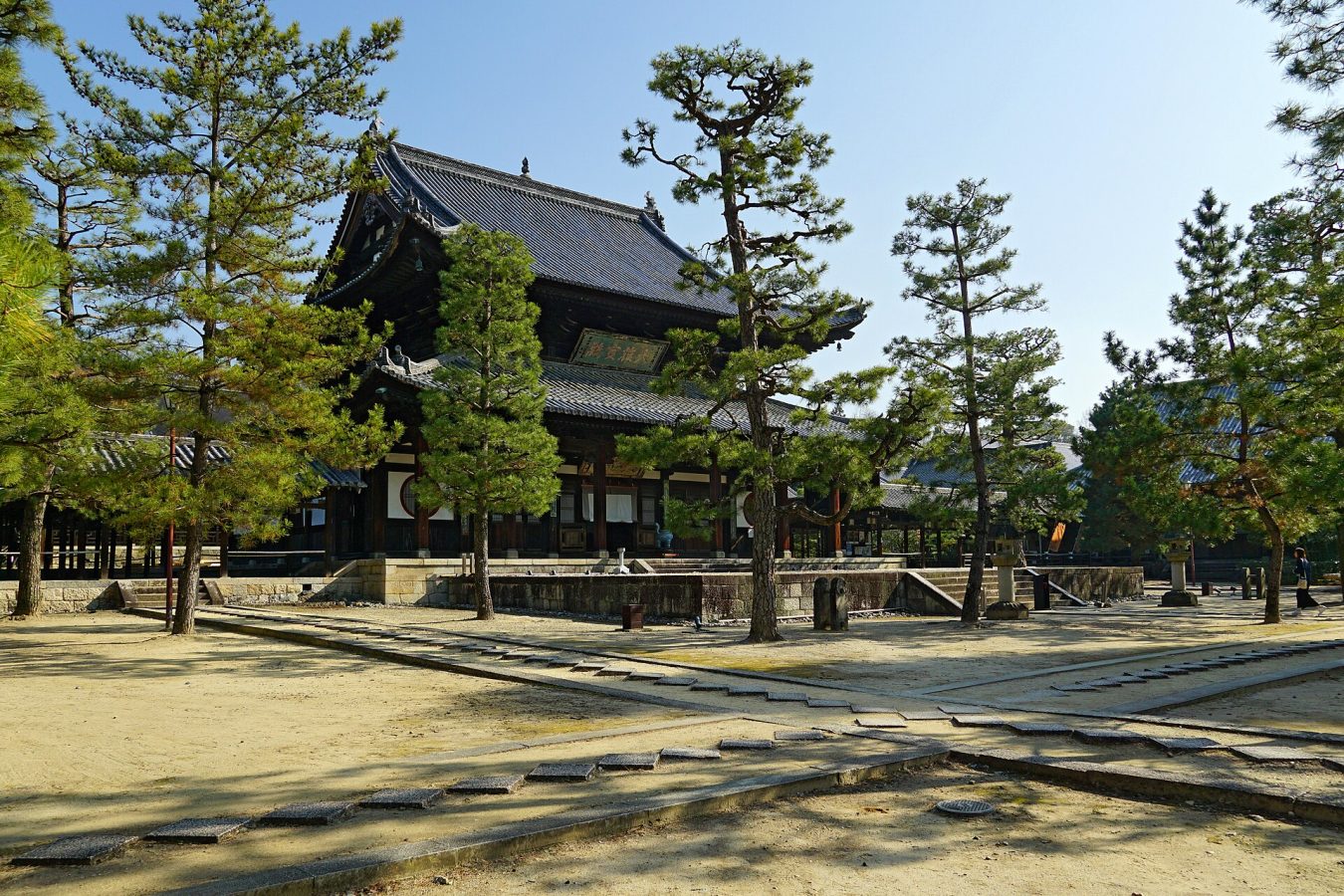
Photo: 663highland, CC BY-SA 4.0
There is no online ticket for Manpuku-ji alone. You pay a modest admission fee at the gate and walk round at your own pace. The extras are worth knowing about: the temple serves fucha ryori, the Chinese-style vegetarian banquet of the Obaku school, eaten at a shared table, which must be reserved in advance, and it sometimes holds zazen sessions and sutra copying that are arranged through the temple office. Getting there is simple. The temple is about five minutes on foot from Obaku station, which is served both by the JR Nara line from Kyoto station in roughly 20 minutes and by the Keihan Uji line.
Most travellers combine it with Uji, one stop further south, so a half day covering Manpuku-ji in the morning and the Byodo-in and the tea shops of Uji in the afternoon is the natural plan. The bookable alternative is a guided outing from Kyoto that is built around Manpuku-ji, with a guide who travels with you by train, explains the temple's Chinese origins and usually adds a stop in Uji. It helps if you are unsure about the trains or want the history explained; entry and any meal are normally paid on top. Since the temple is one of the least crowded major sites in the Kyoto area, a self-guided visit works perfectly well too.
Live dates and prices from GetYourGuide. Free cancellation on most tickets.
Manpuku-ji looks unlike any other temple near Kyoto, and that is the reason to come. It was founded in 1661 by Yinyuan Longqi, known in Japan as Ingen, a Chinese Chan master from Fujian who arrived in Nagasaki and was granted land here by the shogun. He named it after his home temple on Mount Huangbo, in Japanese Obaku, and it became the head temple of the Obaku school of Zen. For more than a century its abbots were Chinese, and the buildings, rituals, chanting and even the food still follow the customs of late Ming China. The halls are laid out on a straight axis and linked by covered corridors, a plan said to suggest the body of a dragon. Pass the outer gates to the Tennoden, where a cheerful, fat-bellied Hotei, the Chinese laughing Buddha, greets visitors instead of the stern guardian kings of most Japanese temples.
Beyond it, the main hall, the Daiyuhoden, is built of teak and holds a seated Shakyamuni flanked by eighteen lively arhat statues carved by a Chinese sculptor. Look also for the round windows, the swastika-patterned balustrades and the stone path down the centre of the courtyards. Do not miss the giant wooden fish hanging in the corridor outside the refectory, a gong still struck to call the monks to meals and to mark the hours. The temple also keeps a set of about 60,000 woodblocks for printing the Buddhist canon, carved in the seventeenth century and still in use. Keep quiet near the monks' quarters and follow the signs on where shoes must come off and where photography is allowed.
The temple is open daily during the day, typically from 9 am to 5 pm, with last entry a little before closing; check the official site for the current hours and for fucha ryori bookings, which usually need several days' notice. Mornings are quiet and give the best light in the courtyards. Manpuku-ji rarely gets crowded even in peak season, which makes it a calm alternative to the busy temples of central Kyoto. Spring and autumn are the most pleasant times; summer in the Uji valley is hot and sticky.
The monks' daily services are chanted in a pronunciation handed down from the Chinese founders, quite unlike the chanting at other Japanese temples, and on major Buddhist observances there are longer ceremonies; ask at the office whether a service is open to visitors on your day. Allow about an hour for the grounds, or two with a meal. Combine it with Byodo-in and the riverside tea houses of Uji, or with Fushimi Inari, which is on the same JR and Keihan lines on the way back to Kyoto.
Yes. GetYourGuide lists one ticket or tour for Manpuku-ji, with live dates and prices and free cancellation on most of them.
Entry to Manpuku-ji: Small fee at the gate
The temple is open daily during the day, typically from 9 am to 5 pm, with last entry a little before closing; check the official site for the current hours and for fucha ryori bookings, which usually need several days' notice.
Allow about an hour for the grounds, or two with a meal.
Keep quiet near the monks' quarters and follow the signs on where shoes must come off and where photography is allowed.
No dress code; shoes off where indicated in the halls.
Manpuku-ji was established in 1661.
Manpuku-ji is in Uji, Japan. The map on this page shows the exact spot.
How to visit a Buddhist temple: shoes, dress and manners — Shoes, dress, feet, photos and offerings in Buddhist temples, from the wats of Thailand and Sri Lanka to the Zen temples of Japan.
Uji, Japan
Byodo-in sells its own tickets at the gate, and there is no need to book: the general admission covers the garden…
2 tickets & tours
Uji, Japan
Uji Shrine is free to visit and there is nothing to book: no ticket for it is sold online, and the gates stand open…
No online ticket
