Katsuo-ji (Daruma Temple)
76 km away
Katsuo-ji sits in wooded hills above Minoh, north of Osaka, and is not hard to reach on your own: an admission fee is…
17 tickets & tours
Buddhist Temple · Himeji · Japan
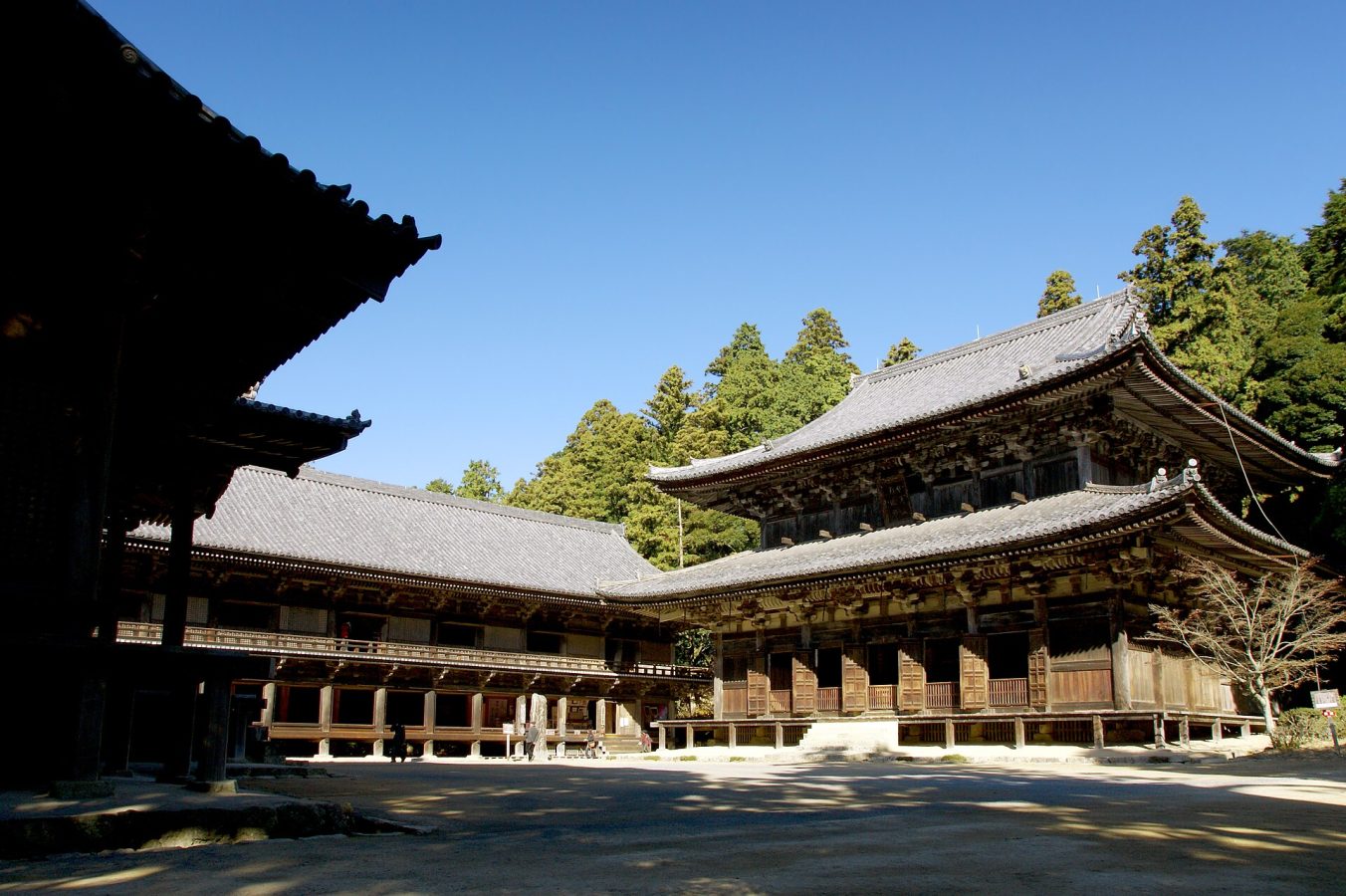
Photo: 663highland, CC BY 2.5
No ticket for Engyo-ji alone is sold online, and none is needed. The temple charges a modest admission fee at the mountain gate near the top of the ropeway, and the cable car up Mount Shosha is paid separately at the base station; a combined return ticket is the usual choice. Inside the precinct a small shuttle bus links the gate with the Maniden for those who would rather not walk the first stretch, again for a small extra fee. Most visitors arrive independently from Himeji. City buses run from the bus terminal in front of Himeji Station to the Shosha ropeway station in about half an hour, and the ropeway then climbs to around 370 m in a few minutes.
Fitter walkers can skip the cable car and take one of the old pilgrim paths up the mountain, which takes about an hour and passes small stone Kannon statues along the way. Guided day tours from Osaka or Kobe that focus on Himeji Castle sometimes add Engyo-ji as an afternoon stop, and the page lists any GetYourGuide tours whose route takes in the mountain. Those wanting more than a walk can ask the temple about sutra copying, zazen sessions and vegetarian temple cuisine, which are offered on a reservation basis, and a sub-temple provides simple overnight lodging. Book these in advance and check the official site, as arrangements change with the season.
Live prices from GetYourGuide for tickets and tours that include this temple. Free cancellation on most of them.
Engyo-ji is not one building but a scattered mountain monastery, laid out across three wooded valleys on Mount Shosha. The eastern valley begins at the Niomon gate, guarded by two muscular guardian figures, and leads past the Jumyo-in sub-temple. The central valley is dominated by the Maniden, the Kannon hall, built out over a steep slope on a lattice of wooden pillars in a manner that recalls Kiyomizu-dera in Kyoto. The present hall dates from the 1930s, but the site goes back to the 970s, when the founder had a statue of Kannon carved from a living cherry tree. From the Maniden a level forest path of ten to fifteen minutes leads west to the highlight, the Mitsunodo: three great halls arranged around a gravel courtyard, the lecture hall, the long two-storey dining hall and the practice hall.
The scale and silence of this enclosure made it a film location for The Last Samurai, and the dining hall upstairs now displays temple treasures. Beyond lie the Oku-no-in, the founder's inner sanctuary, and the mossy graves of the Honda lords of Himeji. The temple was founded in 966 by the monk Shoku and grew into one of the three great training centres of the Tendai school, nicknamed the Mount Hiei of the west. It is also the 27th stop on the Saigoku pilgrimage to 33 Kannon temples, so expect pilgrims with stamp books. Keep voices low near the halls, take off shoes where floors are raised, and ask before photographing monks or services. Paths are steep in places and uneven stone steps are common.
The ropeway and the temple keep daytime hours, starting around 8.30 am and closing in the late afternoon, a little earlier in winter; check the official site before travelling, and note the time of the last cable car down. Autumn is the finest season. In mid to late November the maples around the Maniden and along the forest paths turn red, and weekends become busy. Spring brings cherry blossom near the gate, while early summer is green, quiet and humid.
Winter is cold on the mountain but the halls in light snow are beautiful. Weekday mornings are calmest, and the Mitsunodo courtyard is at its best before the tour groups arrive around midday. Allow three to four hours from Himeji Station, including transport and a relaxed walk to the Oku-no-in, or longer if you climb on foot. The obvious pairing is Himeji Castle and the Koko-en garden beside it, which fill the other half of the day comfortably.
76 km away
Katsuo-ji sits in wooded hills above Minoh, north of Osaka, and is not hard to reach on your own: an admission fee is…
17 tickets & tours
81 km away
Namba Yasaka Shrine is free to enter and there is nothing to book.
1 ticket or tour
82 km away
Sumiyoshi Taisha is a working Shinto shrine and costs nothing to enter: the grounds open at dawn, and there is no…
4 tickets & tours
Yes. GetYourGuide sells tickets and guided tours whose route includes Shoshazan Engyo-ji; live prices are shown on this page.
Entry to Shoshazan Engyo-ji: Paid entry at the gate; ropeway extra
Allow three to four hours from Himeji Station, including transport and a relaxed walk to the Oku-no-in, or longer if you climb on foot.
No formal dress code; wear good walking shoes and remove them where hall interiors are entered.
Shoshazan Engyo-ji was established in 966.
Shoshazan Engyo-ji is in Himeji, Japan. The map on this page shows the exact spot.
How to visit a Buddhist temple: shoes, dress and manners — Shoes, dress, feet, photos and offerings in Buddhist temples, from the wats of Thailand and Sri Lanka to the Zen temples of Japan.

