
Hokoku Shrine, Osaka
Osaka, Japan
Hokoku Shrine is free to enter and has no ticket of its own.
1 ticket or tour
Shinto Shrine · Osaka · Japan
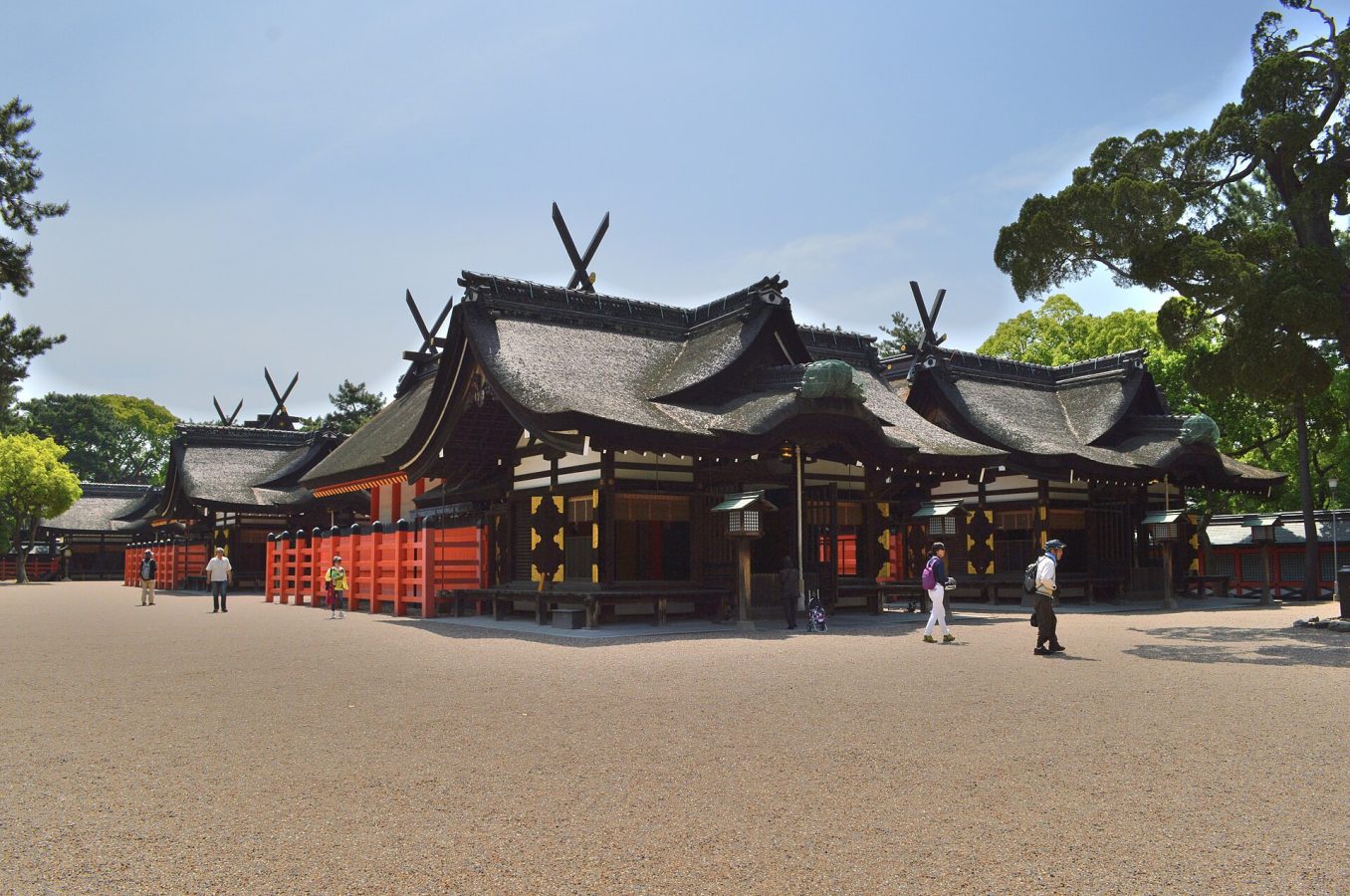
Sumiyoshi Taisha is a working Shinto shrine and costs nothing to enter: the grounds open at dawn, and there is no ticket, timed slot or queue to plan around. The only money most visitors spend is on a fortune slip, an amulet or a votive plaque at the shrine office, or a small offering at the halls. What is sold online is interpretation rather than access. There are guided walking tours that meet near the station and spend an hour or two at the shrine, explaining the rituals, the architecture and the gods of seafaring and poetry worshipped here, and private visits with a licensed guide for those who prefer their own pace or are travelling with children.
Some itineraries continue into the old neighbourhood around the shrine or on the vintage Hankai tram line. Separately, a tea house close to the shrine runs short tea ceremony sessions, in which a host prepares matcha and explains the etiquette; the shrine visit itself is not part of that and is done on your own before or after. Most independent travellers simply take the train from Namba, which takes around 10 to 15 minutes, and walk in. A guide is worth considering mainly if you want the meaning of the Sumiyoshi-zukuri halls and the purification rites explained, since the English signage is limited.
Live dates and prices from GetYourGuide. Free cancellation on most tickets.
Sumiyoshi Taisha is the head shrine of more than two thousand Sumiyoshi shrines across Japan and one of the oldest in the country, traditionally founded in the early 3rd century. It honours three gods of the sea, protectors of sailors, fishermen and the ancient embassies that sailed to China, together with the semi-legendary Empress Jingu. Until the Edo period the coast lay close by, and the pines and sand of the grounds recall that lost seaside setting. Visitors usually enter across the Sorihashi, a steeply arched vermilion bridge over a pond; walking across it is said to purify you before you approach the gods. Beyond it, purify your hands and mouth at the water basin, then approach the four main halls.
These were rebuilt in 1810 and are designated National Treasures, and they are the prototype of the Sumiyoshi-zukuri style: straight gabled roofs, vermilion pillars and white walls, without the curved eaves borrowed later from Buddhist temples. Three halls stand in a line one behind the other, like ships sailing west, with the fourth alongside. Look also for the stone stage used for traditional dance and music, the many stone lanterns donated by merchants and shipping companies, and the little sub-shrine where visitors search a gravel enclosure for pebbles marked with characters for strength and good fortune. Rabbit motifs appear throughout, because the shrine was founded on a day of the rabbit. Photography is permitted in the grounds but not inside the halls. The Nankai Main Line stops at Sumiyoshitaisha station, a few minutes' walk east.
The grounds open early in the morning, at about 6 am, and close at around 5 pm, with slightly shorter hours in winter; the shrine office keeps similar hours. Early morning is the quietest time, when local people stop to pray on the way to work and the light on the arched bridge is soft. Spring and autumn are the most comfortable seasons in Osaka. Sumiyoshi Taisha is one of the busiest shrines in Japan for the New Year visit, and from 1 to 3 January the grounds are packed with millions of worshippers, so avoid those days unless you want the atmosphere.
In mid-June a rice-planting ceremony is held in the shrine's own paddy, with costumed dancers, and the summer festival at the end of July and the start of August features a portable shrine procession. Allow about an hour, or longer with a guide or a tea ceremony nearby. The shrine combines easily with Namba, Shinsekai and the Tsutenkaku tower, all on the same rail line north, or with a ride on the old Hankai tram.
Yes. GetYourGuide lists 4 tickets and tours for Sumiyoshi Taisha, with live dates and prices and free cancellation on most of them.
Allow about an hour, or longer with a guide or a tea ceremony nearby.
Early morning is the quietest time, when local people stop to pray on the way to work and the light on the arched bridge is soft.
Photography is permitted in the grounds but not inside the halls.
Entry to Sumiyoshi Taisha: Free
No dress code; remove hats in front of the main halls.
Sumiyoshi Taisha was established in 211.
Sumiyoshi Taisha is in Osaka, Japan. The map on this page shows the exact spot.
How to visit a Shinto shrine: torii, water and prayer — How to pass the torii, purify at the water basin, pray, take photos and buy charms at a Shinto shrine in Japan.
Osaka, Japan
Hokoku Shrine is free to enter and has no ticket of its own.
1 ticket or tour
Osaka, Japan
Namba Yasaka Shrine is free to enter and there is nothing to book.
1 ticket or tour
