Buddhist Temple · Ogori · Japan
Nyoirin-ji (Frog Temple)
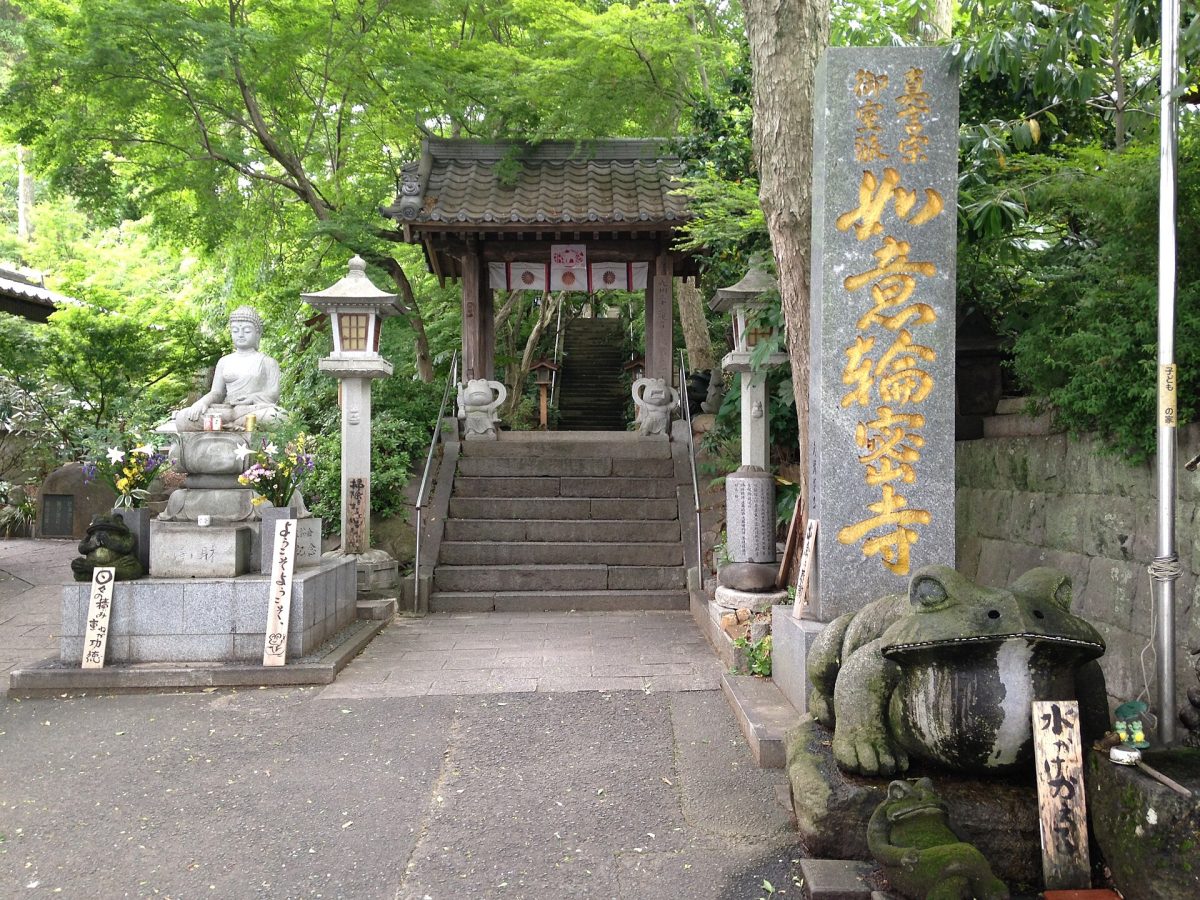
Photo: そらみみ (Soramimi), CC BY-SA 4.0
- Type
- Buddhist Temple
- Religion
- Shingon Buddhism
- Founded
- 729 (traditional date; main hall rebuilt early Edo period)
- Dress code
- No dress code; remove shoes if you enter the main hall.
- Tickets
- 1 ticket or tour
- Website
- kyushyu24.com/frm10.aspx
Nyoirin-ji (Frog Temple) tickets and tours: which one to book
Nyoirin-ji, better known as Kaeru-dera or the Frog Temple, is a small Shingon temple in the countryside of Ogori, south of Fukuoka, and a visit does not require any advance booking. Visitors pay a modest admission at the temple office, and wind chimes, frog charms and prayer tablets are sold there as optional extras. Online you will mostly find it packaged as a half-day or day excursion from Fukuoka that pairs the temple with a slower cultural activity, typically a tea experience in a traditional setting, with a driver or guide handling the journey. These outings usually include return transport from central Fukuoka, the guide and the tea session;
temple admission, charms and lunch may or may not be covered, so read the inclusions carefully. Because the temple lies in a rural area with limited public transport, a tour is the most convenient choice for travellers without a car. Going independently is quite possible if you are comfortable with local trains. The usual route is the Nishitetsu line from Tenjin towards Ogori, followed by a taxi for the last few kilometres; by rental car the drive from Fukuoka takes about 40 minutes, and there is parking near the gate. Combining the trip with other sights in the Chikugo plain, such as Dazaifu or Kurume, makes the journey worthwhile.
Tickets and tours for Nyoirin-ji (Frog Temple)
Live dates and prices from GetYourGuide. Free cancellation on most tickets.
Visiting Nyoirin-ji (Frog Temple): what to see and how to behave
The temple is said to have been founded in 729 on the orders of Empress Koken and consecrated by the itinerant monk Gyoki, one of the great temple builders of the Nara period. It was burnt during the wars of 1586, and the main hall was rebuilt in the early Edo period by Arima Tadayori, lord of the Kurume domain. Its principal image, a statue of Nyoirin Kannon attributed to Gyoki, is a hidden Buddha, kept out of sight and shown to the public only once every twelve years, in the Year of the Snake. What draws most visitors, however, is the frogs. In 1992 the former chief priest, having brought home a jade frog from a journey to China, began collecting frog figures to give the temple a lighter atmosphere and attract younger visitors.
Today more than 5,000 of them fill the grounds: stone frogs in robes along the paths, frogs meditating on rocks, ceramic frogs on shelves, frogs holding umbrellas and frogs dressed as monks. The fondness for them rests on a pun, since the Japanese word for frog sounds like the verb for returning, so a frog charm wishes a safe return home or the return of good fortune. Spend time looking closely; many figures are tucked into corners, under eaves and among the plants. In summer the temple hangs thousands of glass and metal wind chimes, and visitors can buy one, write a wish on its paper strip and add it to the display. This is a working temple, so keep voices low near the main hall, follow the usual custom of a small offering and a bow, and ask before photographing any priest at work.
Nyoirin-ji (Frog Temple): opening hours, ceremonies and the best time to go
The temple is open during the daytime, roughly from 9 am to late afternoon; hours may change for events, so check the temple's own pages or ask your hotel to telephone ahead. The most popular season is summer, when about 2,500 wind chimes hang across the grounds, usually from early July until late August, and their ringing in the breeze makes a cooling sound on hot days.
Early June brings rain and lush greenery that suits the moss and the frogs, and autumn colour arrives in mid to late November. Weekday mornings are calm; weekends in the chime season attract families and photographers from across Kyushu. The hidden Kannon was last shown in 2025, so the next display will fall in 2037. Allow about an hour at the temple. Combine it with Dazaifu Tenmangu and the Kyushu National Museum, or with the town of Kurume and its gardens, for a full day out of Fukuoka.
More tours and activities in Ogori
Before you go
Can I book a temple tour or ticket in Nyoirin-ji (Frog Temple) online?
Yes. GetYourGuide lists one ticket or tour for Nyoirin-ji (Frog Temple), with live dates and prices and free cancellation on most of them.
When is Nyoirin-ji (Frog Temple) open?
The temple is open during the daytime, roughly from 9 am to late afternoon; hours may change for events, so check the temple's own pages or ask your hotel to telephone ahead.
How many days do you need in Nyoirin-ji (Frog Temple)?
Allow about an hour at the temple.
What should I wear to visit Nyoirin-ji (Frog Temple)?
No dress code; remove shoes if you enter the main hall.
When was Nyoirin-ji (Frog Temple) founded?
Nyoirin-ji (Frog Temple) was established in 729.
Where is Nyoirin-ji (Frog Temple)?
Nyoirin-ji (Frog Temple) is in Ogori, Japan. The map on this page shows the exact spot.
How to visit a Buddhist temple: shoes, dress and manners — Shoes, dress, feet, photos and offerings in Buddhist temples, from the wats of Thailand and Sri Lanka to the Zen temples of Japan.