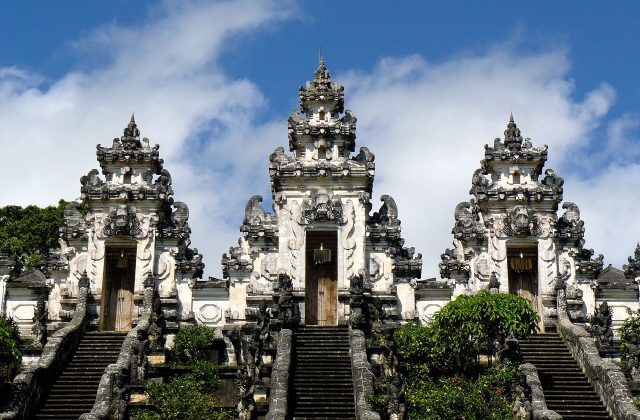
Pura Lempuyang (Gate of Heaven)
Karangasem, Indonesia
Lempuyang lies in the far east of Bali, on the slopes of Mount Lempuyang above Amlapura, about two hours by road from…
29 tickets & tours
Hindu Temple · Karangasem · Indonesia
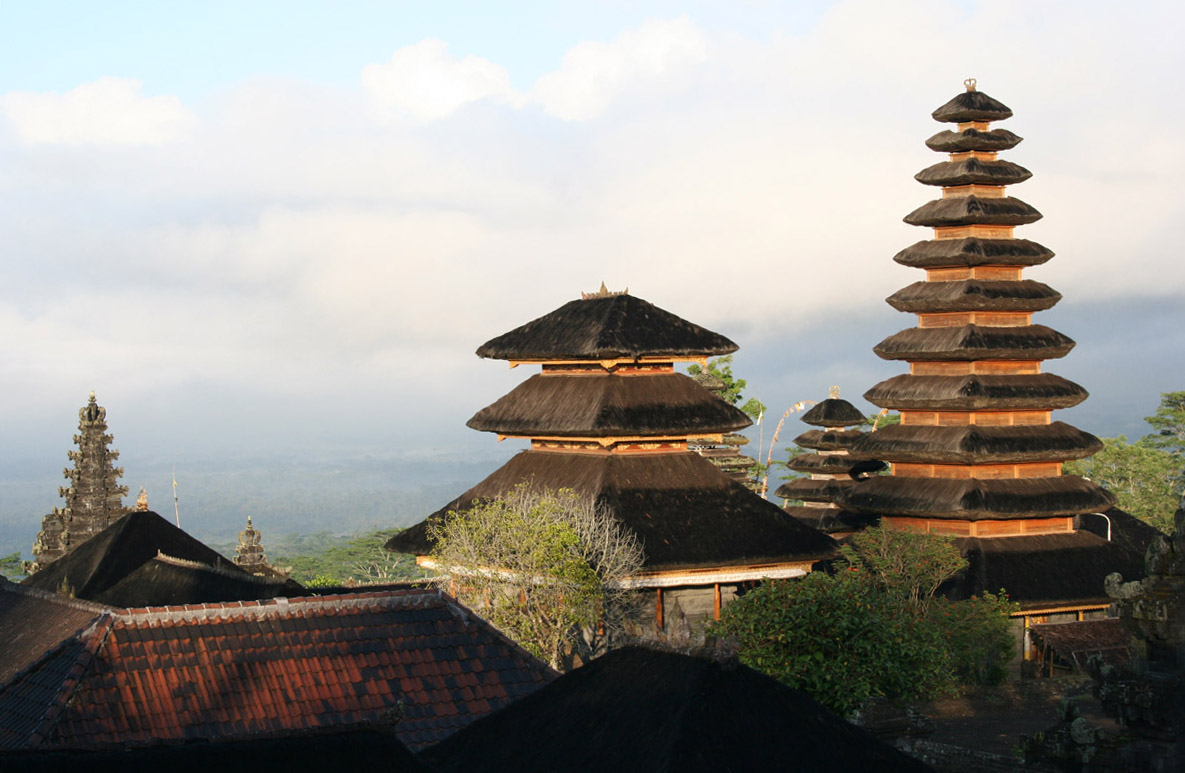
Photo: Flying Pharmacist, CC BY-SA 2.5
Besakih lies high on the slopes of Mount Agung in eastern Bali, about two hours by car from Ubud and more from the southern beaches, so most visitors come on a full-day car tour with a driver. Entry is paid at the visitor centre at the bottom of the hill; the fee normally includes a sarong and the short shuttle ride up to the temples. Official local guides are available there, and you should hire only from the official desk. The tours sold online are almost all east Bali circuits with Besakih as one major stop. The most common combine it with Lempuyang temple and its famous framed gateway, the water palace of Tirta Gangga and sometimes the royal water garden at Ujung.
Others head inland to the traditional village of Penglipuran, the waterfall at Tukad Cepung, the temple of Pura Kehen in Bangli and the rice terraces around Sidemen and Mahagiri, or north to Kintamani for views over Lake Batur, a coffee plantation and the water temple of Tirta Empul. Private tours with a driver let you choose your stops and usually include fuel, parking and water; lunch and entry fees are often extra. Serious hikers can also climb Mount Agung overnight for the sunrise, on a long, steep trek that starts from the temple; it requires a licensed mountain guide and good fitness, and is closed during ceremonies and periods of volcanic activity.
Live dates and prices from GetYourGuide. Free cancellation on most tickets.
Besakih is the most important temple in Balinese Hinduism, often called the Mother Temple. It is not one building but a complex of more than twenty temples spread over parallel ridges at nearly 1,000 m, with terraces, stairways and brick gateways climbing towards the cone of Mount Agung. Worship here is very old: the stepped stone bases of some shrines resemble prehistoric terraced sanctuaries, and by the 15th century it was the state temple of the Gelgel kings. The heart of the complex is Pura Penataran Agung, dedicated to Shiva, which you enter through a tall split gateway and climb through several courtyards towards rows of black-thatched meru towers, their tiers always odd in number.
To either side stand temples associated with Brahma and Vishnu, and many smaller shrines belonging to Bali's clans and former kingdoms. The view back down the valley is as rewarding as the temples themselves, and on clear mornings the volcano looms directly above. Visitors may walk around the complex and look into the courtyards, but the inner sanctums are reserved for worshippers, especially during ceremonies. Wear a sarong and sash, never stand higher than a priest or walk in front of people praying, do not step on offerings, and do not climb on shrines. In 1963 a major eruption of Mount Agung sent lava flows that passed close to the complex but left it largely intact, which Balinese saw as a sign of divine favour. Expect persistent sellers and unofficial guides near the car park; politely decline.
The complex is open to visitors from early morning until late afternoon. Arrive early, ideally by 8 am, when the summit of Agung is most likely to be free of cloud and before the day tours from the south arrive. By midday the mountain is often hidden and afternoon rain is common, especially from November to March. The dry season, from April to October, offers the clearest views.
Besakih holds many ceremonies through the year, and the largest annual festival, Bhatara Turun Kabeh, falls around the full moon of the tenth Balinese month, usually in March or April, when thousands of pilgrims in white come from all over the island. Visitors may watch from the edges, but access can be restricted. Galungan and Kuningan also draw large crowds. Allow about two hours. Combine it with the rice terraces of Sidemen, the water palace at Tirta Gangga and Lempuyang, or Kintamani on the way back.
Yes. GetYourGuide lists 20 tickets and tours for Pura Besakih (Mother Temple), with live dates and prices and free cancellation on most of them.
Serious hikers can also climb Mount Agung overnight for the sunrise, on a long, steep trek that starts from the temple; it requires a licensed mountain guide and good fitness, and is closed during ceremonies and periods of volcanic activity.
Allow about two hours.
Sarong and sash required, usually included at the entrance; shoulders covered.
Pura Besakih (Mother Temple) receives about 109 221 a year (2013).
Pura Besakih (Mother Temple) is in Karangasem, Indonesia. The map on this page shows the exact spot.
How to visit a Hindu temple: dress, shoes and access — What to wear, what to leave at the gate and where non-Hindus may go in Hindu temples in India, Nepal, Bali and South-East Asia.
Karangasem, Indonesia
Lempuyang lies in the far east of Bali, on the slopes of Mount Lempuyang above Amlapura, about two hours by road from…
29 tickets & tours
Karangasem, Indonesia
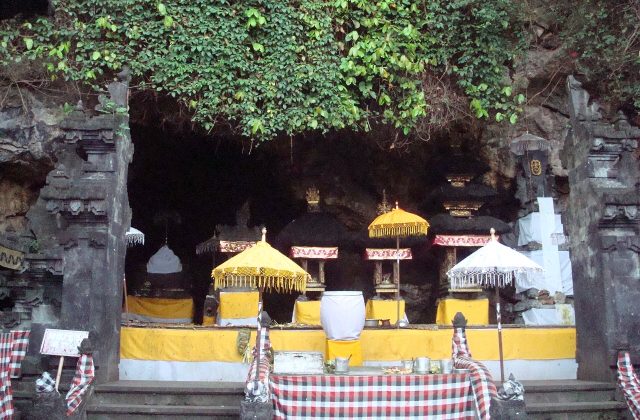
Pura Goa Lawah is not ticketed online. Visitors pay a modest entrance fee at the gate, which normally includes the loan…
1 ticket or tour