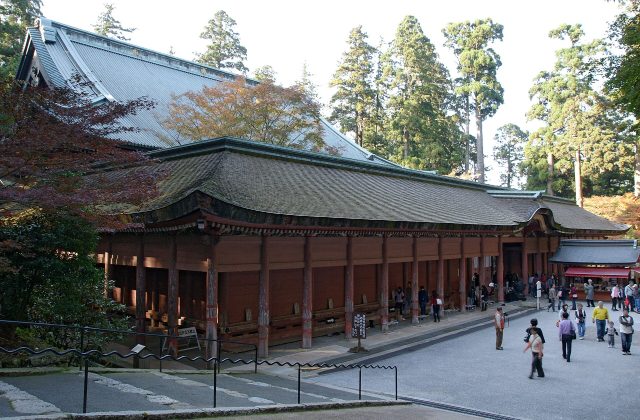
Enryaku-ji
Otsu, Japan
Entry to Enryaku-ji is by a common ticket, bought at booths in the Todo area, that covers all three precincts of the…
1 ticket or tour
Shinto Shrine · Otsu · Japan
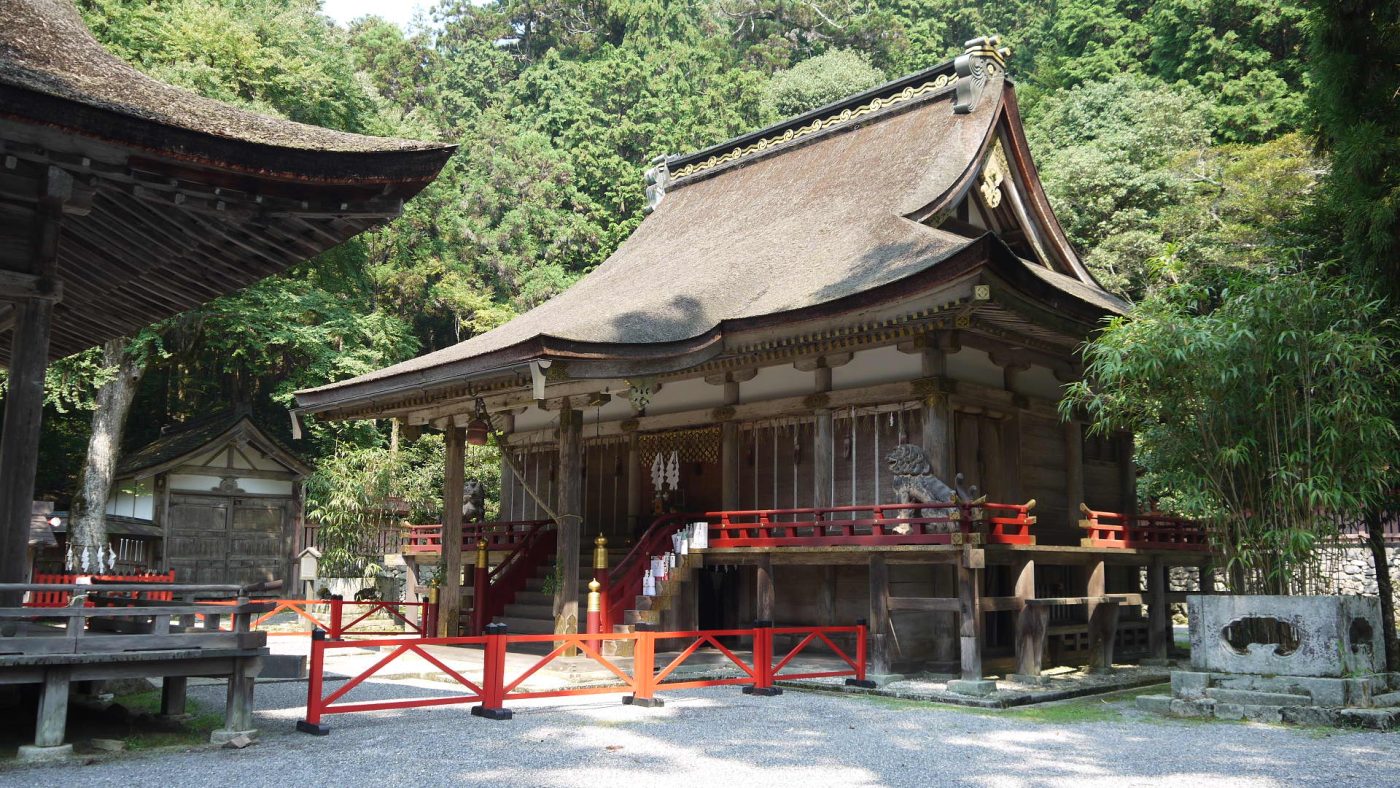
Photo: baggio4ever, CC BY 3.0
Hiyoshi Taisha sells no tickets online. A modest admission fee is paid at the booth by the entrance to the inner precinct; the approach avenue and the town of Sakamoto around it are free to walk. Prayers, amulets and seasonal ceremonies are arranged at the shrine office. The bookable option is a guided day trip from Kyoto that combines Hiyoshi Taisha with Enryaku-ji, the great Tendai monastery on the summit of Mount Hiei above it. These days usually include a guide, transport by train, bus or private car, and the entry fees for both sites, with lunch extra. They make sense because the shrine and the temple belong together historically, and because the mountain is spread out and confusing for first-time visitors;
a guide also explains the mixed Buddhist and Shinto worship that defined both sites for a thousand years. Independent visits are easy from Kyoto or Otsu. The JR Kosei line runs to Hieizan-Sakamoto station and the Keihan Ishiyama-Sakamoto line to Sakamoto-hieizanguchi, and from either it is a short walk uphill along the avenue to the shrine. From the same street, the Sakamoto cable car, one of the longest in Japan, climbs to Enryaku-ji, so you can make your own loop: shrine in the morning, cable car up, and bus or cable car down to Kyoto on the other side of the mountain.
Live dates and prices from GetYourGuide. Free cancellation on most tickets.
The precinct covers a large wooded slope at the foot of Mount Hiei, about 40 hectares crossed by streams and stone bridges, and a visit is as much a forest walk as a shrine visit. Hiyoshi is the head of some 3,800 Hie and Sanno shrines across Japan, and it has two main sanctuaries. The West Main Shrine is dedicated to a kami brought from Omiwa in the 7th century, when Emperor Tenji moved his capital to Otsu; the East Main Shrine honours the older mountain god of Hiei. Both main halls are National Treasures, built in a style unique to this shrine, with a roof that is cut off at the back and extended over a veranda on three sides. Look for the distinctive Sanno torii, which carry a triangular gable on top of the upper beam, found only at shrines of this faith.
Monkeys are the messengers of the gods here, and carved and living monkeys appear around the grounds, along with charms shaped like them. The stone bridges over the Omiya River are also old and listed. For centuries the shrine was run by the monks of Enryaku-ji, and its portable shrines were carried down to Kyoto by warrior monks to intimidate the court. When Oda Nobunaga burned the mountain in 1571, the shrine was destroyed too; the present main halls were rebuilt in the 1580s and 1590s. Bow at the torii, purify your hands and mouth at the water basin, and do not photograph inside the sanctuaries.
The shrine is open every day from morning until the late afternoon. Mornings are quiet and cool under the trees, and the precinct is rarely crowded outside the peak seasons. Autumn is the best-known season: the precinct has around 3,000 maple trees, and from early to late November the streams and bridges are framed by red and orange leaves.
The Sanno Festival in April, one of the most vigorous in the Kansai region, involves heavy portable shrines carried down the mountain and out onto Lake Biwa by boat, with the main events in the middle of the month. Spring cherry blossom and the fresh green of May are also lovely. Allow an hour and a half for the shrine, and a full day if you combine it with Enryaku-ji on the mountain above. The stone-walled old streets of Sakamoto, once the homes of retired monks, deserve a walk on the way back to the station.
Yes. GetYourGuide lists one ticket or tour for Hiyoshi Taisha, with live dates and prices and free cancellation on most of them.
Entry to Hiyoshi Taisha: Small fee at the gate
The shrine is open every day from morning until the late afternoon.
Allow an hour and a half for the shrine, and a full day if you combine it with Enryaku-ji on the mountain above.
No dress code; respectful clothing at the main shrines.
Hiyoshi Taisha covers 40 ha.
Hiyoshi Taisha was established in 90 BC.
Hiyoshi Taisha is in Otsu, Japan. The map on this page shows the exact spot.
How to visit a Shinto shrine: torii, water and prayer — How to pass the torii, purify at the water basin, pray, take photos and buy charms at a Shinto shrine in Japan.
Otsu, Japan
Entry to Enryaku-ji is by a common ticket, bought at booths in the Todo area, that covers all three precincts of the…
1 ticket or tour