
Hiyoshi Taisha
Otsu, Japan
Hiyoshi Taisha sells no tickets online. A modest admission fee is paid at the booth by the entrance to the inner…
1 ticket or tour
Buddhist Temple · Otsu · Japan
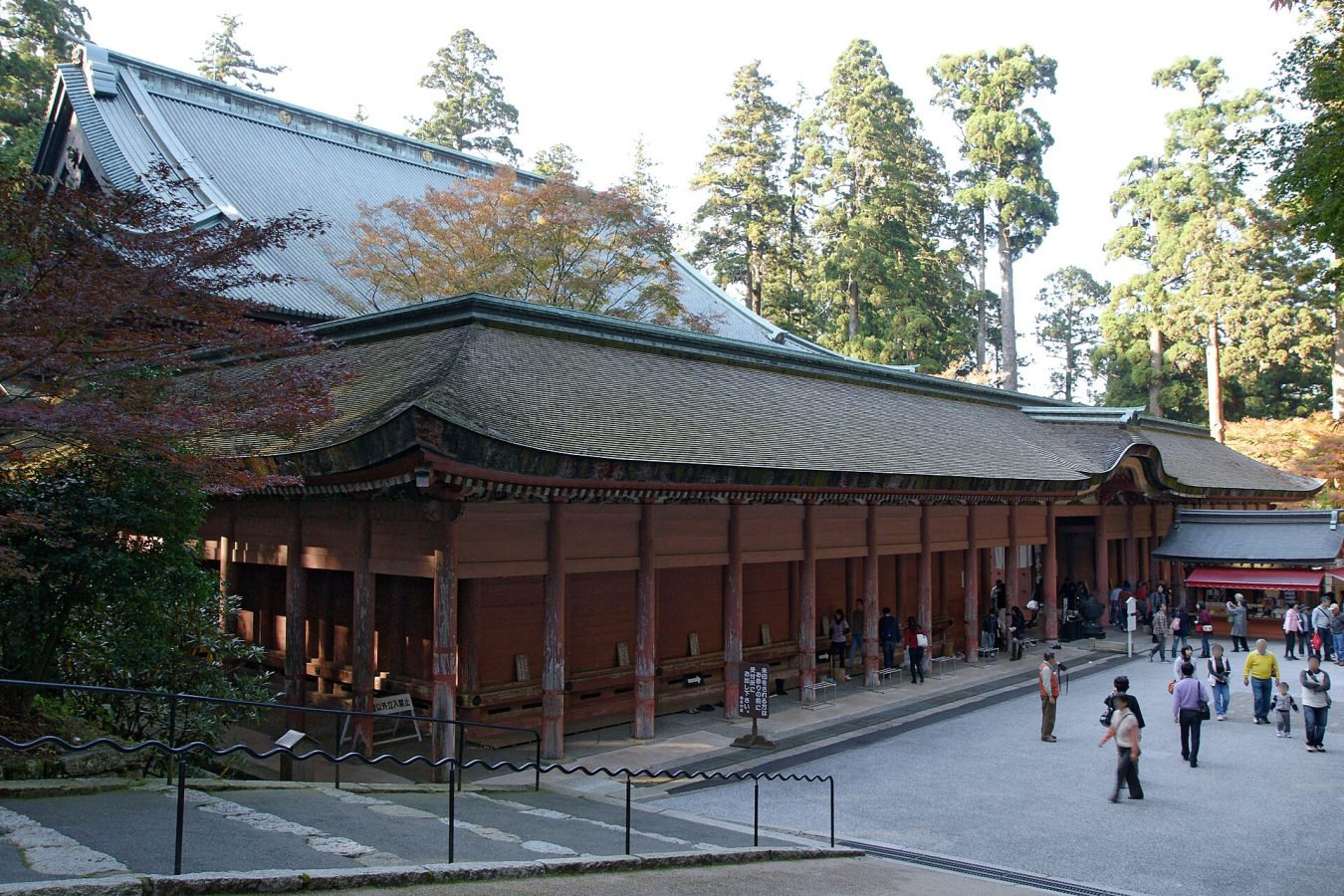
Photo: 663highland, CC BY 2.5
Entry to Enryaku-ji is by a common ticket, bought at booths in the Todo area, that covers all three precincts of the monastery on Mount Hiei, plus a small extra charge for the treasure hall. There is no need to book in advance. Getting to the mountain is the larger cost. From Kyoto, the Eizan railway and a cable car and ropeway climb the western side from Yase, and direct buses run from Kyoto Station in season. From the Otsu side, the Sakamoto cable car, the longest in Japan, rises from the lakeside town of Sakamoto. Shuttle buses then link the precincts on the summit.
Combined transport and admission passes are sold at Kyoto stations and save a little. Organised outings are mostly seasonal: evening trips from Osaka or Kyoto in autumn to see the illuminated maple gardens of Kyorinbo and other sub-temples in Sakamoto, with coach transport and entry to the gardens included and dinner extra. The temple itself offers experiences that can be booked directly, such as seated meditation, copying sutras and overnight stays in temple lodgings with vegetarian meals and morning prayers. The sensible choice is to go independently by public transport, start early, and give the mountain a full day. If you are interested in Buddhist practice, an overnight stay is the most rewarding way to see Enryaku-ji, since you take part in the morning service before the day visitors arrive.
Live dates and prices from GetYourGuide. Free cancellation on most tickets.
Enryaku-ji was founded in 788 by the monk Saicho, who brought the Tendai school of Buddhism from China and made this mountain above Kyoto its headquarters. At its height the monastery counted thousands of sub-temples and fielded armies of warrior monks, until the warlord Oda Nobunaga burned it in 1571. Most buildings date from the rebuilding of the late 16th and 17th centuries, and the monastery is part of the World Heritage listing for the historic monuments of ancient Kyoto. Many founders of later Japanese schools, including Pure Land, Zen and Nichiren, trained here. The precincts spread through cedar forest in three areas. Todo, the eastern pagoda area, holds the main hall, Konponchudo, a deep, dim building where lamps said to have burned continuously for some 1,200 years light the sunken altar;
it has been under a long restoration, so parts may be behind scaffolding. Nearby are the lecture hall, a great bell you may strike for a small donation, and the treasure hall. Saito, a walk of about 20 minutes away, has the Jogyodo and Hokkedo twin halls joined by a corridor and the Shakado, the oldest building on the mountain. Yokokawa, reached by bus, is quieter, with a hall standing out over the slope. Mount Hiei is also home to the marathon monks, who walk the mountain paths for up to a thousand days. Shoes come off in the halls and photography inside them is not allowed. Bring a jacket: it is several degrees cooler than Kyoto.
The halls open from around 8.30 or 9 am until about 4 or 4.30 pm, with shorter hours in winter; the cable cars and buses run to seasonal timetables, and some stop running in the depths of winter. Arrive with the first cable car to have the main hall almost to yourself and to walk between the precincts in the cool of the morning. Autumn, from late October to mid November, is the finest season, with the maples on the mountain and the illuminated gardens of Sakamoto.
Early summer brings fresh green and fewer visitors, and on clear days the view over Lake Biwa is superb. Winter is cold and often snowy on the summit, beautiful but with reduced transport. Major ceremonies are held on the anniversary of Saicho's death in early June. Allow at least half a day, a full day for all three precincts. Combine it with the old stone walls and gardens of Sakamoto, or descend to Ohara and its temples on the Kyoto side.
Yes. GetYourGuide lists one ticket or tour for Enryaku-ji, with live dates and prices and free cancellation on most of them.
The halls open from around 8.30 or 9 am until about 4 or 4.30 pm, with shorter hours in winter; the cable cars and buses run to seasonal timetables, and some stop running in the depths of winter.
Allow at least half a day, a full day for all three precincts.
Entry to Enryaku-ji: JPY 1,000 common ticket
No dress code; shoes off in the halls and quiet in the main hall.
Enryaku-ji covers 5.0 km².
Enryaku-ji was established in 788.
Enryaku-ji is in Otsu, Japan. The map on this page shows the exact spot.
How to visit a Buddhist temple: shoes, dress and manners — Shoes, dress, feet, photos and offerings in Buddhist temples, from the wats of Thailand and Sri Lanka to the Zen temples of Japan.
Otsu, Japan
Hiyoshi Taisha sells no tickets online. A modest admission fee is paid at the booth by the entrance to the inner…
1 ticket or tour