Buddhist Temple · Busan · South Korea
Haedong Yonggungsa Temple
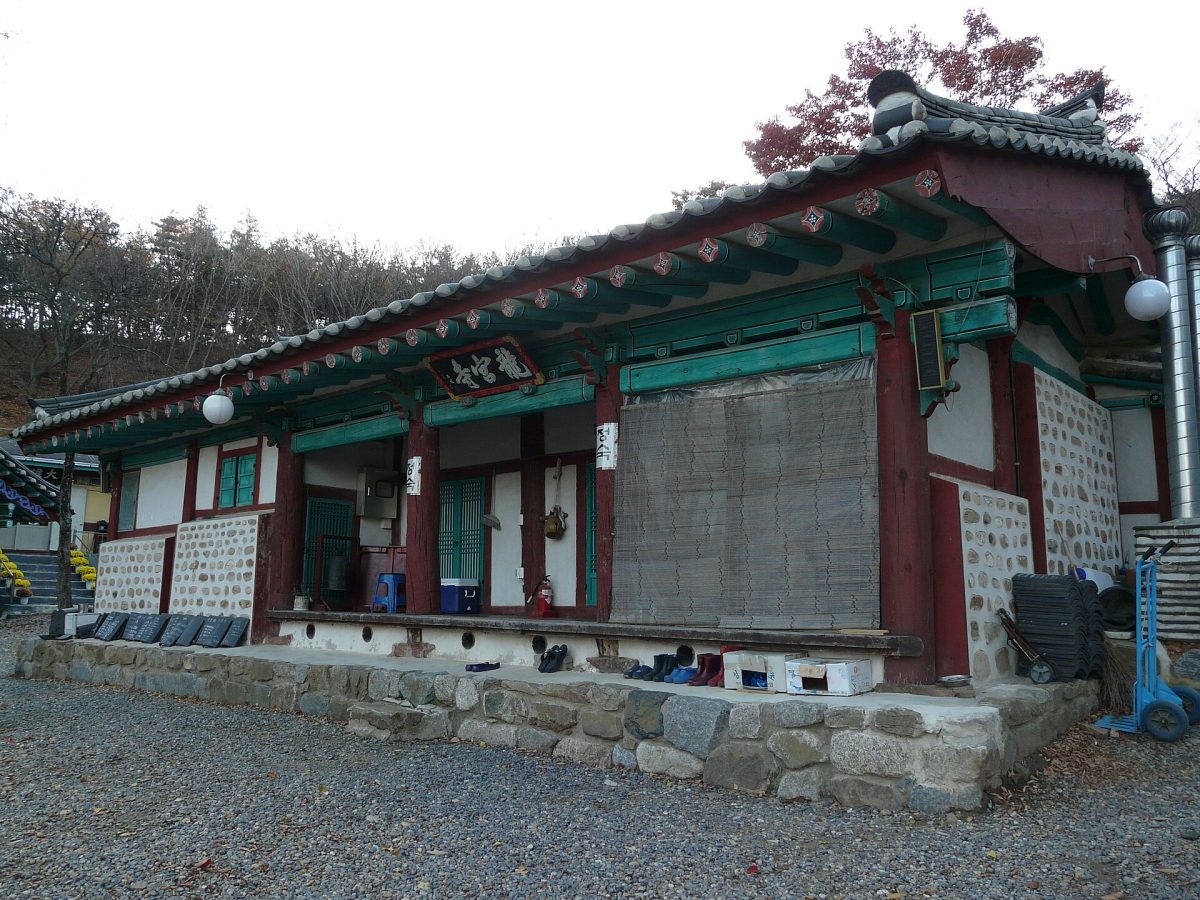
Photo: Londenp, CC BY-SA 3.0
- Type
- Buddhist Temple
- Where
- Busan, South Korea
- Religion
- Korean Buddhism
- Founded
- 1376 (1376 per tradition; present buildings 20th century)
- Entry
- Free
- Dress code
- No strict dress code; modest clothing and shoes off if you enter a hall.
- Tickets
- 3 tickets and tours
- Website
- yongkungsa.or.kr
Haedong Yonggungsa Temple tickets and tours: which one to book
Haedong Yonggungsa is a working Buddhist temple with no admission charge. You walk in through the gate, down the stone stairs and onto the rocks by the sea without buying anything; the costs are for the car park, candles and lanterns if you want to make an offering, and the stalls selling snacks and charms along the approach. There is nothing to reserve and no timed entry. The temple sits on the coast north-east of Haeundae, away from the metro, so most of what is sold online is transport and company. The usual product is a day tour of Busan by minibus or private car with a driver-guide, typically starting from Haeundae, Seomyeon or the cruise terminal.
Some itineraries pair the temple with a small fishing harbour up the coast and a seafood lunch; others string it together with the coastal walk on Dongbaek island, the beaches and the painted hillside houses of Gamcheon Culture Village on the other side of the city. Transport and guiding are included; meals and paid attractions are generally extra. If you have a full day in Busan and want to see the temple, Gamcheon and the coast without working out bus routes, a tour is efficient. If you are staying in Haeundae, though, the temple is easy to reach by local bus or a short taxi ride, and going on your own lets you come at sunrise, which no tour does.
3 tickets and tours for Haedong Yonggungsa Temple
Live dates and prices from GetYourGuide. Free cancellation on most tickets.
Visiting Haedong Yonggungsa Temple: what to see and how to behave
Unusually for Korea, where most temples hide in mountain valleys, Haedong Yonggungsa is built directly on the rocks above the East Sea, and its sea views are the reason for its fame. A temple is said to have been founded here in 1376 by the Goryeo monk Naong, but it was destroyed during the Japanese invasions of the 1590s, and the buildings you see today are modern, rebuilt in the 20th century; the present name, meaning Dragon Palace Temple of the East Sea, dates from the 1970s. The approach is a lane of food stalls, then a row of statues of the twelve animals of the zodiac, where Korean visitors pose with their own birth sign.
A stone gate and a flight of 108 steps, a number with deep meaning in Buddhism, lead down through a short tunnel to a little bridge and the courtyard by the water. The main hall, painted in the bright dancheong colours of Korean temples, faces the waves; above it on a rock stands a large white statue of Gwaneum, the bodhisattva of mercy, looking out to sea. Look out also for a small golden pig that people rub for wealth, and for the pagoda guarded by four stone lions. Keep your voice down near the halls, take off your shoes before going inside, do not photograph people bowing, and do not sit on the altar steps. The rocks by the sea are slippery, so watch your footing. Take bus 181 from Haeundae station, or the Donghae line to Osiria station and then a short bus or taxi ride.
Haedong Yonggungsa Temple: opening hours, ceremonies and the best time to go
The temple opens very early, at about 5 am, and closes around sunset; check locally for winter and summer variations. Sunrise is the time to come, when the sun climbs out of the sea behind the main hall and the courtyard still belongs to the monks and a few worshippers; on New Year's morning thousands of people gather here for the first sunrise of the year. Coach parties arrive from mid-morning, and weekends are crowded. The weeks before Buddha's birthday, in April or May depending on the lunar calendar, are the most colourful, when thousands of paper lanterns are hung over the courtyards and lit after dark.
Autumn, from late September to November, brings clear skies and calm seas; summer is hot and humid with occasional typhoons, and winter is cold but bright. Allow an hour to an hour and a half. Combine the temple with the cafes and walking trails of the coast at Osiria, the beaches of Songjeong and Haeundae, or the coastal rail park and its sky capsules between Mipo and Cheongsapo.
Compare
More tours and activities in Busan
Before you go
Can I book a temple tour or ticket in Haedong Yonggungsa Temple online?
Yes. GetYourGuide lists 3 tickets and tours for Haedong Yonggungsa Temple, with live dates and prices and free cancellation on most of them.
How many days do you need in Haedong Yonggungsa Temple?
Allow an hour to an hour and a half.
What should I wear to visit Haedong Yonggungsa Temple?
No strict dress code; modest clothing and shoes off if you enter a hall.
How much is the entrance fee for Haedong Yonggungsa Temple?
Entry to Haedong Yonggungsa Temple: Free
When was Haedong Yonggungsa Temple founded?
Haedong Yonggungsa Temple was established in 1376.
Where is Haedong Yonggungsa Temple?
Haedong Yonggungsa Temple is in Busan, South Korea. The map on this page shows the exact spot.
How to visit a Buddhist temple: shoes, dress and manners — Shoes, dress, feet, photos and offerings in Buddhist temples, from the wats of Thailand and Sri Lanka to the Zen temples of Japan.