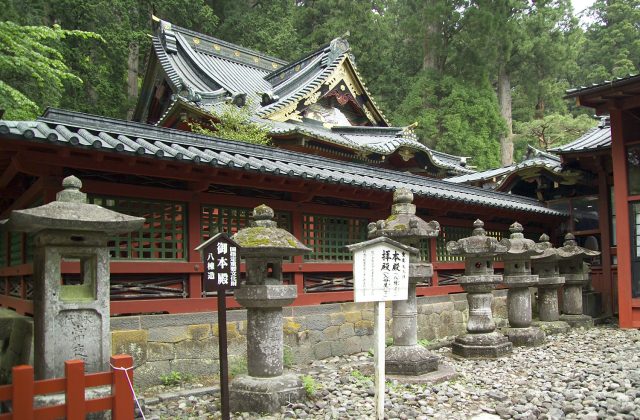
Nikko Futarasan Shrine
Nikko, Japan
Futarasan Shrine sells no online ticket of its own, and you do not need one.
No online ticket
Shinto Shrine · Nikko · Japan
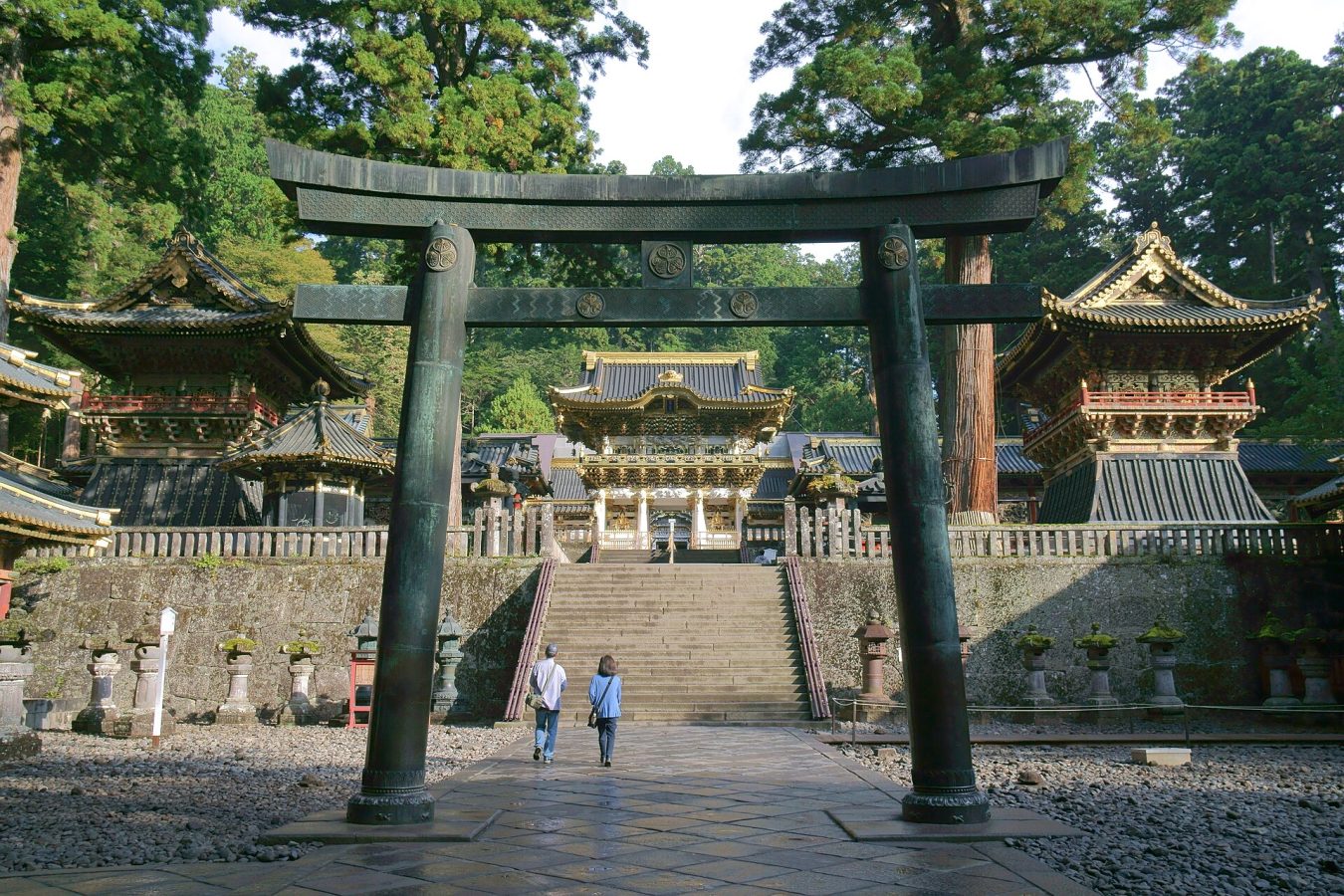
Photo: Koichi Sato, CC BY-SA 4.0
Nikko lies about two hours north of Tokyo by train, and the Toshogu shrine is its centrepiece. The entry ticket is bought at the gate and covers the main precinct and the climb to the tomb of Ieyasu; a few halls nearby, such as the Hall of the Crying Dragon belonging to Rinno-ji, charge separately. Independent travellers can come by Tobu train from Asakusa or by Shinkansen and local train via Utsunomiya, buy a regional pass, and walk or take a local bus up to the shrine. Most organised trips are full-day tours from Tokyo by coach or private car.
They usually combine Toshogu with the drive up the hairpin bends of the Irohazaka road to Lake Chuzenji and the Kegon Falls, and include the shrine ticket, a guide and sometimes lunch; some add the Edo Wonderland theme park, a hot spring, a walk through the old streets of Nikko town or birdwatching in the hills. There are private tours with guides in many languages, photography trips and autumn walks for the foliage, and a ticket that can be exchanged at Tobu-Nikko station. Since the day from Tokyo is long and the logistics are fiddly, a guided day trip that covers the shrine and Lake Chuzenji is the sensible choice for a first visit; with more time, staying a night in Nikko is better still.
Live dates and prices from GetYourGuide. Free cancellation on most tickets.
Toshogu is the mausoleum shrine of Tokugawa Ieyasu, the warlord who unified Japan and founded the shogunate that ruled for more than 250 years. It was first built in 1617, and his grandson, the third shogun Iemitsu, rebuilt it on a lavish scale in the 1630s. With the Futarasan shrine and the Rinno-ji temple next door it forms the Shrines and Temples of Nikko World Heritage Site, and several of its buildings are National Treasures. The tall cedars that surround it give it a solemn mood that contrasts with the extravagance of the buildings. You enter past a stone torii and a five-storey pagoda. In the first courtyard, the Sacred Stable carries the famous carving of the three wise monkeys, part of a series of panels that tell the story of a life.
A flight of steps leads to the Yomeimon gate, covered in hundreds of gilded and painted carvings of dragons, sages and mythical beasts, so rich that it is said a person could gaze at it all day. Behind it lie the white Karamon gate and the main sanctuary. Over a side passage, look for the small carving of the Sleeping Cat; beyond it, about 200 stone steps climb through the cedar forest to Ieyasu's tomb, a simple bronze pagoda in a quiet enclosure. Bow at the shrine buildings, remove your shoes where signs ask, and do not photograph inside the main sanctuary. The shrine is about 2 km uphill from the stations, past the red Shinkyo bridge; buses run frequently.
Toshogu is open every day from morning until late afternoon, closing earlier in winter than in summer; check the official site for the current hours. Arrive at opening time to see the Yomeimon before the tour coaches from Tokyo arrive around 11 am; the late afternoon is quieter again. The shrine is at its best in autumn. The maples turn first around Lake Chuzenji in early to mid-October and reach the town in late October and early November, when the roads up to the lake are badly congested at weekends.
Spring and early summer are fresh and green, the rainy season in June suits the mossy cedar forest, and winter brings snow on the gilded roofs and very few visitors. The great spring festival on 17 and 18 May and the autumn festival in mid-October include a procession of a thousand men in samurai costume, a re-enactment of the shogun's journey to the shrine. Allow two to three hours for Toshogu, and a full day to add the lake and the falls.
Yes. GetYourGuide lists 40 tickets and tours for Nikko Toshogu, with live dates and prices and free cancellation on most of them.
Toshogu is open every day from morning until late afternoon, closing earlier in winter than in summer; check the official site for the current hours.
Allow two to three hours for Toshogu, and a full day to add the lake and the falls.
No dress code; shoes off inside the main sanctuary halls.
Nikko Toshogu was established in 1617.
Nikko Toshogu is in Nikko, Japan. The map on this page shows the exact spot.
How to visit a Shinto shrine: torii, water and prayer — How to pass the torii, purify at the water basin, pray, take photos and buy charms at a Shinto shrine in Japan.
Nikko, Japan
Futarasan Shrine sells no online ticket of its own, and you do not need one.
No online ticket