Hindu Temple · Lepakshi · India
Veerabhadra Temple, Lepakshi
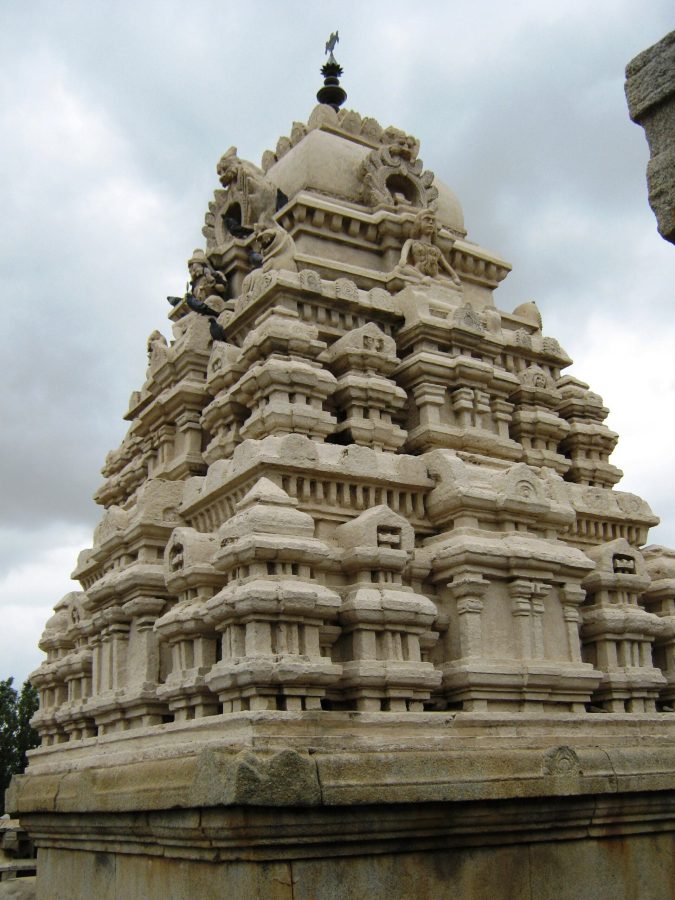
Photo: Magentic Manifestations, CC BY-SA 3.0
- Type
- Hindu Temple
- Religion
- Hinduism
- Founded
- 1530 (1530 (1540 also cited))
- Entry
- Free
- Dress code
- Modest clothing covering shoulders and knees; shoes off before entering the temple.
- Tickets
- 3 tickets and tours
Veerabhadra Temple, Lepakshi tickets and tours: which one to book
Lepakshi is a functioning Hindu temple as well as a protected monument, and there is no ticket to buy: visitors walk in through the northern gate, leave their shoes outside and are free to explore. What people actually pay for is getting there, because the village sits in rural Andhra Pradesh, roughly 120 km north of Bangalore and about 15 km from the town of Hindupur, with no direct train and only slow local buses. That is why the products sold online are essentially day trips with a car and driver. The most common runs from Bangalore and combines Lepakshi with the huge Adiyogi bust of Shiva near Chikkaballapur, which lies on roughly the same northbound road;
a full day is needed and most include pickup, fuel, tolls and parking, with meals and any local guide paid extra. Other itineraries start from Anantapur and add the hill fort at Gooty or sights in Anantapur itself. If you hire your own taxi, the drive from Bangalore takes about two and a half to three hours each way. A knowledgeable guide makes a real difference here, because the painted ceilings and carved panels tell specific stories from the epics and the Shiva legends. Local guides wait near the entrance; agree the fee before starting.
3 tickets and tours for Veerabhadra Temple, Lepakshi
Live dates and prices from GetYourGuide. Free cancellation on most tickets.
Visiting Veerabhadra Temple, Lepakshi: what to see and how to behave
The temple stands on a low granite outcrop shaped like a tortoise at the southern edge of Lepakshi village. It was built around 1530 by two brothers, Virupanna and Viranna, officials of the Vijayanagara Empire under King Achyuta Deva Raya, and is dedicated to Virabhadra, a fierce form of Shiva. Because the site escaped the destruction that befell Hampi, its paintings and carvings survive in rare completeness. Two walled enclosures surround the main shrine. The open dance hall in front of the sanctum has columns crowded with carved musicians, dancers and deities, and above it stretches one of the finest sets of Vijayanagara murals anywhere, painted in earthy reds, ochres and black with scenes from the Ramayana, the Mahabharata and the life of Shiva.
Look for the large ceiling panel of Virabhadra himself, and for the famous pillar that does not quite touch the floor, through which visitors slide a cloth to prove the gap. Outside the inner enclosure, a seven-hooded serpent carved from a single boulder shelters a black lingam, and nearby lies an unfinished wedding hall whose pillars carry divine couples but no roof. A large imprint in the rock is traditionally linked with Sita. About 200 m away, beside the approach road, reclines a monolithic Nandi bull, among the biggest in India. Non-Hindus may enter the halls, but the sanctum is reserved for worship. Dress modestly, walk barefoot, avoid flash under the painted ceilings and follow any instructions about photography near the shrines.
Veerabhadra Temple, Lepakshi: opening hours, ceremonies and the best time to go
The temple is typically open from early morning until the evening, with worship continuing in the sanctum through the day; there is no fixed visitor slot, but arriving by mid-morning gives the best light under the open hall and the most time before the granite heats up. The cooler months, from November to February, are the most comfortable for the long drive and for walking barefoot on stone. The hot season peaks in April and May, when the rock surfaces become painful by midday.
Maha Shivaratri, usually in February or March, draws crowds of devotees and an all-night atmosphere, and the state government sometimes stages a cultural festival at Lepakshi; both are worth planning around, either to join or to avoid. Allow about two hours to see the temple properly, plus time at the Nandi. From Bangalore it fills a day with the Adiyogi statue on the way, and travellers continuing into Andhra Pradesh can combine it with the forts at Penukonda or Gooty.
More tours and activities in Lepakshi
Before you go
Can I book a temple tour or ticket in Veerabhadra Temple, Lepakshi online?
Yes. GetYourGuide lists 3 tickets and tours for Veerabhadra Temple, Lepakshi, with live dates and prices and free cancellation on most of them.
When is Veerabhadra Temple, Lepakshi open?
The temple is typically open from early morning until the evening, with worship continuing in the sanctum through the day; there is no fixed visitor slot, but arriving by mid-morning gives the best light under the open hall and the most time before the granite heats up.
How many days do you need in Veerabhadra Temple, Lepakshi?
Allow about two hours to see the temple properly, plus time at the Nandi.
How much is the entrance fee for Veerabhadra Temple, Lepakshi?
Entry to Veerabhadra Temple, Lepakshi: Free
What should I wear to visit Veerabhadra Temple, Lepakshi?
Modest clothing covering shoulders and knees; shoes off before entering the temple.
When was Veerabhadra Temple, Lepakshi founded?
Veerabhadra Temple, Lepakshi was established in 1530.
Where is Veerabhadra Temple, Lepakshi?
Veerabhadra Temple, Lepakshi is in Lepakshi, India. The map on this page shows the exact spot.
How to visit a Hindu temple: dress, shoes and access — What to wear, what to leave at the gate and where non-Hindus may go in Hindu temples in India, Nepal, Bali and South-East Asia.