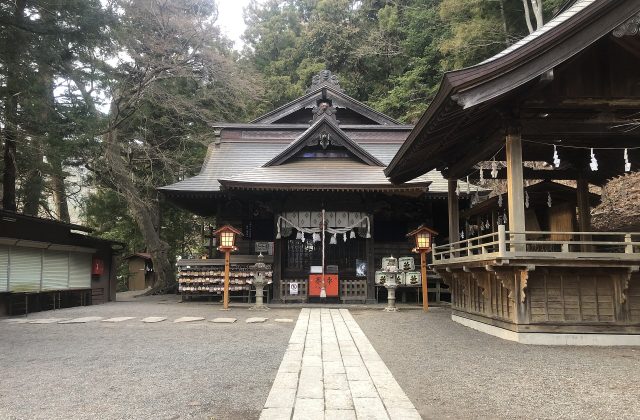
Arakura Fuji Sengen Shrine
3 km away
Arakura Fuji Sengen Shrine is free to enter at any hour, and the climb to its famous five-storey pagoda costs nothing…
1 ticket or tour
Shinto Shrine · Fujiyoshida · Japan
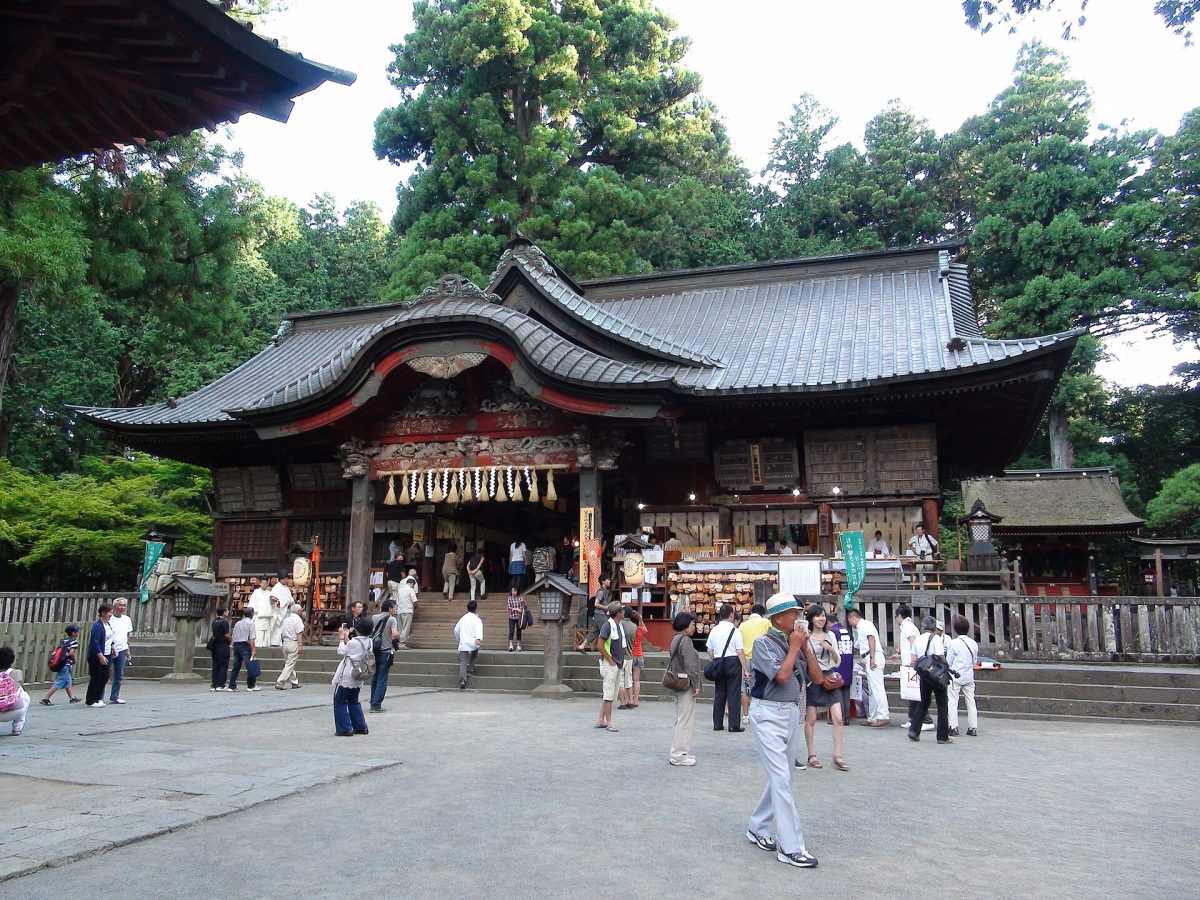
Photo: Sakaori (talk), CC BY-SA 3.0
No ticket for this shrine is sold online, and none is needed. The grounds are free and open to everyone, and the only things on sale are the usual charms, amulets and shrine stamps at the office near the main hall. The shrine stands at the southern edge of Fujiyoshida, on the road towards Mount Fuji, about 20 minutes on foot from Fujisan Station on the Fujikyu line or a short local bus ride; Kawaguchiko, the main tourist base of the area, is a few minutes away by bus or taxi. Most visitors come in one of two ways. Independent travellers take the train or the highway bus from Shinjuku to Fujisan or Kawaguchiko, then walk or ride the last stretch, often combining the shrine with the Chureito Pagoda and the old streets of Fujiyoshida.
Others join a guided day trip by coach from Tokyo to the Fuji Five Lakes area, which usually includes transport, a guide and a sequence of viewpoints and villages, and sometimes a lunch; only some routes stop at the shrine, so check the itinerary. Climbers on the Yoshida Trail occasionally start from here on foot, following the old pilgrim route up the mountain. For a calm visit, going independently is the better choice: the shrine rewards an unhurried walk, and a day-tour stop of 20 minutes barely covers the approach. The page lists any GetYourGuide tours whose route passes the shrine.
Live prices from GetYourGuide for tickets and tours that include this temple. Free cancellation on most of them.
The shrine is traditionally dated to 788 and for centuries was the starting point of the pilgrimage up the northern side of Mount Fuji. Members of the Fuji-ko, the confraternities of Fuji worshippers, gathered here before setting off on foot to the summit, and the old trail to the mountain still begins behind the main hall. The shrine is dedicated to Konohanasakuya-hime, the goddess of the mountain, and it forms part of the UNESCO World Heritage Site of Fujisan, listed for the mountain as a sacred place and a source of artistic inspiration. The approach is the best part. A long avenue of tall cedars and stone lanterns, cool and dim even in summer, leads from the road to the great vermilion torii, one of the largest wooden shrine gates in Japan, which bears a tablet naming the mountain.
Beyond lie the worship hall and the main sanctuary, richly carved and painted; the main hall and several other buildings are Important Cultural Properties of Japan, built and restored in the Edo period. Look for the ancient sacred cedar called Fuji Taro, roped off with a straw rope and paper streamers, for the pair of twin cypresses venerated as a married couple, and, behind the hall, the gate marking the start of the Yoshida Trail. Etiquette is the usual Shinto practice: bow before passing through the torii, walk at the side of the path rather than down the middle, rinse your hands and mouth at the water basin, and at the hall bow twice, clap twice and bow once. Photography is welcome in the grounds, but not of the inside of the halls.
The grounds are open at all hours, while the shrine office selling charms and stamps keeps daytime hours. Early morning is the best time: the cedar avenue is quiet, mist sometimes hangs between the trunks, and the tour coaches have not yet arrived. The shrine is beautiful in every season. Spring brings cherry blossom in April, a little later than in Tokyo; summer is the climbing season, from early July to early September, when the mountain opening ceremony is held;
autumn brings red maples in November; and in winter snow on the lanterns and clear views of Fuji from the town. The great event is the Yoshida Fire Festival on 26 and 27 August, which marks the end of the climbing season: portable shrines are carried through the town and huge torches are lit along the main street. Book a room early if you want to see it. Allow 45 minutes to an hour. Combine the shrine with the Chureito Pagoda, the retro shopping street of Fujiyoshida and Lake Kawaguchi.
3 km away
Arakura Fuji Sengen Shrine is free to enter at any hour, and the climb to its famous five-storey pagoda costs nothing…
1 ticket or tour
3 km away
The pagoda stands in a public park on the hillside above Fujiyoshida, and there is no ticket, gate or opening fee.
11 tickets & tours
36 km away
Hakone Shrine does not sell entry tickets: the grounds and the main hall are open to everyone free of charge, and only…
7 tickets & tours
Yes. GetYourGuide sells tickets and guided tours whose route includes Kitaguchi Hongu Fuji Sengen Shrine; live prices are shown on this page.
The grounds are open at all hours, while the shrine office selling charms and stamps keeps daytime hours.
Allow 45 minutes to an hour.
Early morning is the best time: the cedar avenue is quiet, mist sometimes hangs between the trunks, and the tour coaches have not yet arrived.
Entry to Kitaguchi Hongu Fuji Sengen Shrine: Free
No dress code; bow at the torii, rinse hands at the basin and keep to the edge of the path.
Kitaguchi Hongu Fuji Sengen Shrine was established in 788.
Kitaguchi Hongu Fuji Sengen Shrine is in Fujiyoshida, Japan. The map on this page shows the exact spot.
How to visit a Shinto shrine: torii, water and prayer — How to pass the torii, purify at the water basin, pray, take photos and buy charms at a Shinto shrine in Japan.
Fujiyoshida, Japan
The pagoda stands in a public park on the hillside above Fujiyoshida, and there is no ticket, gate or opening fee.
11 tickets & tours
Fujiyoshida, Japan
Arakura Fuji Sengen Shrine is free to enter at any hour, and the climb to its famous five-storey pagoda costs nothing…
1 ticket or tour

