Shinto Shrine · Hakone · Japan
Hakone Shrine
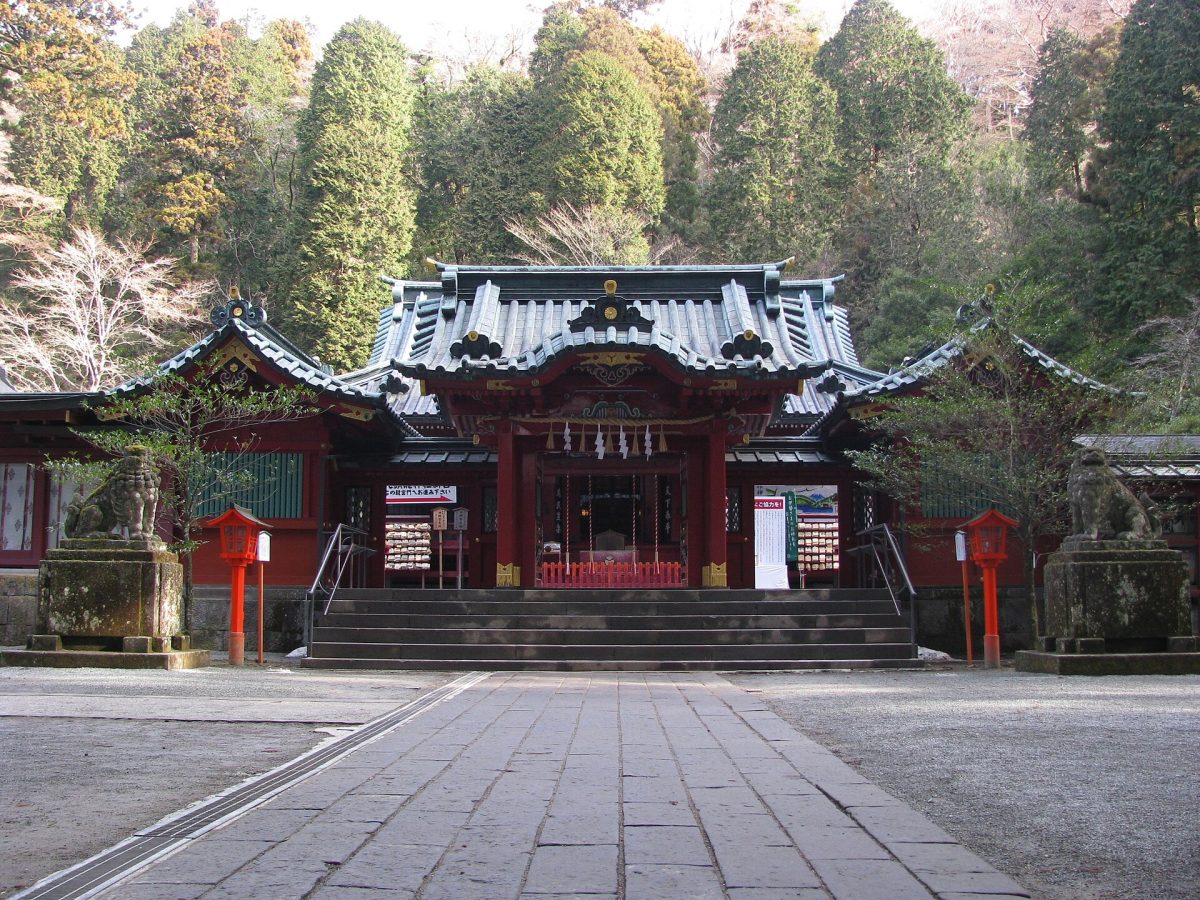
Photo: Aimaimyi, CC BY-SA 3.0
- Type
- Shinto Shrine
- Religion
- Shinto
- Founded
- 757 (founded 757 by tradition; present form 1667)
- Entry
- Free; small fee for treasure hall
- Dress code
- No dress code; dress respectfully and keep quiet near the main hall.
- Tickets
- 7 tickets and tours
- Website
- hakonejinja.or.jp
Hakone Shrine tickets and tours: which one to book
Hakone Shrine does not sell entry tickets: the grounds and the main hall are open to everyone free of charge, and only the small treasure museum charges a modest fee. What you can book online are ways of getting here and seeing the rest of Hakone at the same time. The most common are full-day coach or minibus trips from Tokyo that loop through the area, typically with a cruise across Lake Ashi, the ropeway over the volcanic vents of Owakudani and a stop at the shrine, with transport and a guide included and lunch and the ropeway sometimes extra.
Some longer days also take in the coast at Atami, including summer departures timed for its fireworks over the bay. Smaller private tours from Hakone itself add a driver or a walking guide, and a few seasonal walks follow the lakeshore paths when the autumn leaves turn. There are also wellness-style private days that pair the shrine with onsen, tea and forest walking. For independent travellers the cheapest option is often simply a regional transport pass from Odawara or Shinjuku, which covers the buses, the lake boats and the ropeway and lets you build the same circuit at your own pace.
7 tickets and tours for Hakone Shrine
Live dates and prices from GetYourGuide. Free cancellation on most tickets.
Visiting Hakone Shrine: what to see and how to behave
The shrine stands among tall cedar trees on the eastern shore of Lake Ashi, just north of the small lakeside town of Moto-Hakone. Shrine tradition dates its founding to 757, when it stood on the summit of Mount Komagatake above the lake; it was later moved down to the shore. Minamoto no Yoritomo, the first shogun, took refuge here after a defeat in 1180 and later became a patron, and samurai continued to support the shrine for centuries. It was burned during Toyotomi Hideyoshi's siege of Odawara in 1590 and rebuilt under Tokugawa Ieyasu; the present layout goes back to 1667. Most visitors start at the red Peace Torii, which stands in the water at the lake's edge and is one of the most photographed gates in Japan.
From the shore a broad stone stairway climbs through the cedars, past several smaller torii, to the vermilion main hall, which is dedicated to three deities collectively known as the Great Kami of Hakone. Beside it is the smaller shrine to Kuzuryu, the nine-headed dragon said to have lived in the lake until a priest subdued it, now a popular place to pray for good relationships. The treasure hall keeps scrolls, statues and other objects, several of them listed as Important Cultural Properties. Bow at the torii, purify your hands and mouth at the water basin, and do not photograph inside the halls. Buses from Hakone-Yumoto and Odawara stop at Moto-Hakone, and the sightseeing boats from Togendai land a short walk away.
Hakone Shrine: opening hours, ceremonies and the best time to go
The grounds are open around the clock and the main hall's office and amulet counters keep daytime hours, roughly from morning until late afternoon. Arrive early, before about 9 am, if you want the Peace Torii without a long queue of people waiting to pose in it; by late morning on weekends the line can take an hour. Late afternoon is quieter again, and the cedar avenue is at its most atmospheric in mist or light rain. Autumn, from late October into November, brings red maples and the clearest views of Mount Fuji across the lake;
winter mornings are cold but sharp. The main shrine festival is on 1 August, and the evening before, the lake festival fills the water with floating lanterns and ends with fireworks. The Kuzuryu shrine holds a monthly rite on the 13th. Allow an hour for the shrine and the waterfront. Combine it with a boat across Lake Ashi, the ropeway to Owakudani, the old cedar avenue of the Tokaido road and the reconstructed Hakone checkpoint, both within walking distance.
More tours and activities in Hakone
Before you go
Can I book a temple tour or ticket in Hakone Shrine online?
Yes. GetYourGuide lists 7 tickets and tours for Hakone Shrine, with live dates and prices and free cancellation on most of them.
When is Hakone Shrine open?
Hakone Shrine does not sell entry tickets: the grounds and the main hall are open to everyone free of charge, and only the small treasure museum charges a modest fee.
How many days do you need in Hakone Shrine?
Allow an hour for the shrine and the waterfront.
How much is the entrance fee for Hakone Shrine?
Entry to Hakone Shrine: Free; small fee for treasure hall
What should I wear to visit Hakone Shrine?
No dress code; dress respectfully and keep quiet near the main hall.
When was Hakone Shrine founded?
Hakone Shrine was established in 757.
Where is Hakone Shrine?
Hakone Shrine is in Hakone, Japan. The map on this page shows the exact spot.
How to visit a Shinto shrine: torii, water and prayer — How to pass the torii, purify at the water basin, pray, take photos and buy charms at a Shinto shrine in Japan.