Buddhist Temple · Hapcheon · South Korea
Haeinsa Temple
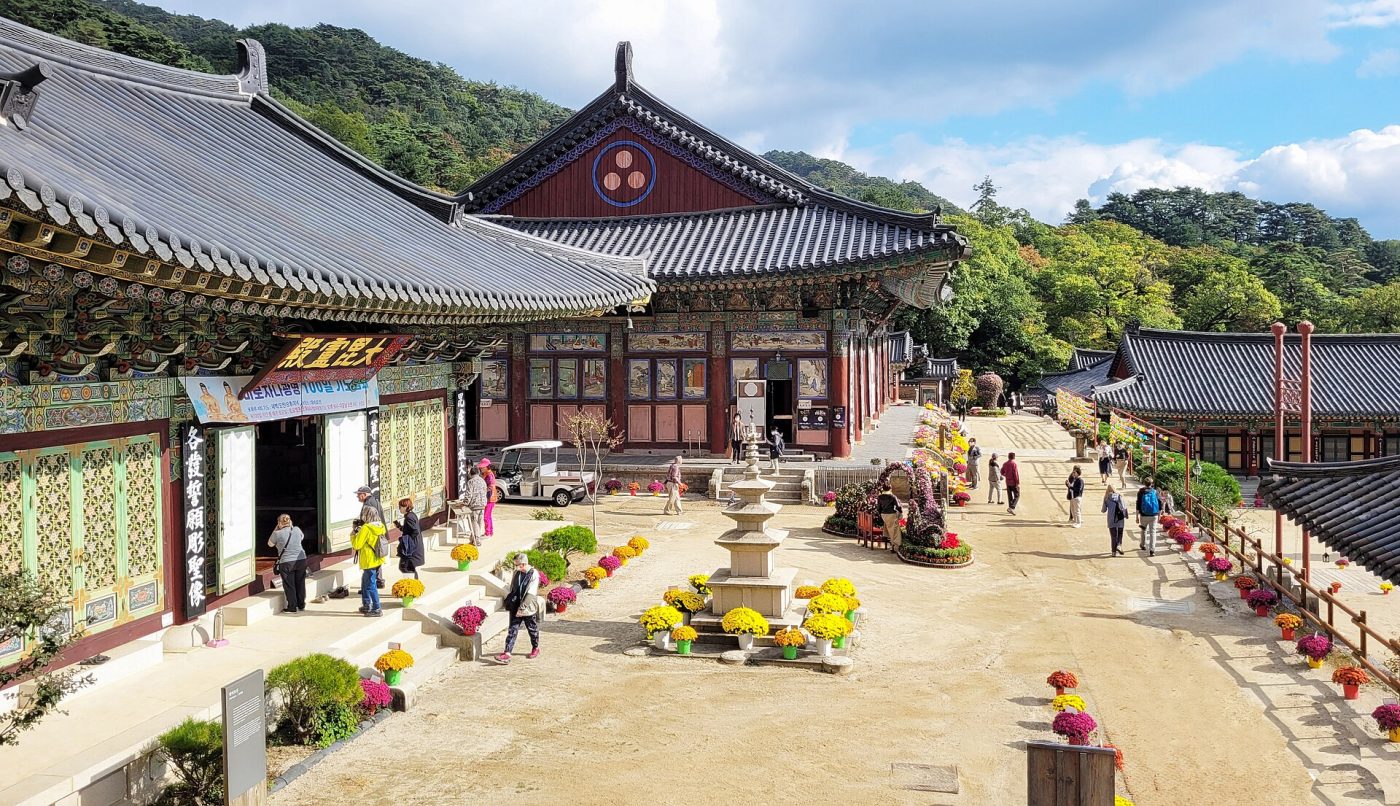
- Type
- Buddhist Temple
- Where
- Hapcheon, South Korea
- Religion
- Seon Buddhism
- Founded
- 802
- Entry
- Free; parking charged
- Dress code
- Modest clothing; take shoes off before entering the halls.
- UNESCO
- Haeinsa Temple Janggyeong Panjeon, the Depositories for the Tripitaka Koreana Woodblocks
- Tickets
- 1 ticket or tour
Haeinsa Temple tickets and tours: which one to book
Haeinsa does not sell tickets online, and since 2023 there has been no admission charge at Korea's major heritage temples, so you simply walk up from the car park. The only payments are for parking, food and any temple-stay programme you book. Overnight temple stays, with early-morning chanting, communal meals and meditation with the monks, are run by the temple itself and should be reserved in advance; they are the most memorable way to experience the place. The temple lies in the mountains of Gayasan National Park, far from the main tourist cities, and that shapes the options.
The bookable product that includes it is a long transfer-style day trip that drives from Jeonju to Gyeongju or Busan and stops at Haeinsa on the way, so you see a UNESCO-listed site while changing base. It usually includes a vehicle, driver and time at the temple, with meals extra, and suits travellers with luggage who do not want to wrestle with rural buses. Independent visits are perfectly possible. Frequent buses run from Daegu's Seobu terminal to the Haeinsa bus stop in about an hour and a half, from where it is a short uphill walk through the forest to the temple. A rental car gives the most freedom, especially if you want to combine the temple with walks in the national park.
Tickets and tours for Haeinsa Temple
Live dates and prices from GetYourGuide. Free cancellation on most tickets.
Visiting Haeinsa Temple: what to see and how to behave
Haeinsa was founded in 802 by two monks returning from Tang China, and it is one of the three great jewel temples of Korea, the one that stands for the Dharma, the Buddha's teaching. The reason is what it keeps: the Tripitaka Koreana, more than 81,000 wooden printing blocks carved in the 13th century with the entire Buddhist canon, held here since 1398. The blocks are stored in the Janggyeong Panjeon, two long plain wooden halls at the top of the complex, which UNESCO lists as a World Heritage Site in their own right. Their slatted windows of different sizes, clay floors packed with charcoal, salt and lime, and careful orientation keep the air dry and moving, and they have survived the fires that destroyed most of the temple, the last of them in 1817. The approach climbs through a forest of old pines and a series of gates guarded by painted kings to the main courtyard.
The main hall is unusual in being dedicated to Vairocana, the cosmic Buddha. In front of it, look for the maze-like pattern traced on the ground, which pilgrims walk while reciting prayers, and the stone pagoda and lantern of the Silla period. You can peer at the woodblocks only through the windows of the storage halls; photography of the blocks is forbidden. Haeinsa is an active Seon monastery. Keep quiet, stay out of the areas marked for monks, bow if you wish but do not touch the altars, and take your shoes off before entering any hall.
Haeinsa Temple: opening hours, ceremonies and the best time to go
The temple grounds are open from early morning until early evening, with the storage halls and some buildings closing a little earlier. Arrive in the morning for the calmest courtyards and, if you can, early enough to hear the drum and bell before the day visitors come up from the car park. Autumn, from mid-October to early November, is the classic season, when the maples and ginkgos of Gayasan turn colour and the valley trail below the temple is at its finest;
it is also the busiest time, especially at weekends. Spring brings blossom and Buddha's Birthday, which falls on the eighth day of the fourth lunar month, usually in May, when the courtyards are hung with coloured lotus lanterns. Winter is cold but quiet and clear. Allow two to three hours for the temple, or a full day if you add a walk along the forest trail by the stream or climb towards the peaks of Gayasan. Many visitors stay overnight in the temple village below or in a temple stay.
Compare
More tours and activities in Hapcheon
Before you go
Can I book a temple tour or ticket in Haeinsa Temple online?
Yes. GetYourGuide lists one ticket or tour for Haeinsa Temple, with live dates and prices and free cancellation on most of them.
When is Haeinsa Temple open?
The temple grounds are open from early morning until early evening, with the storage halls and some buildings closing a little earlier.
How many days do you need in Haeinsa Temple?
Allow two to three hours for the temple, or a full day if you add a walk along the forest trail by the stream or climb towards the peaks of Gayasan.
What should I wear to visit Haeinsa Temple?
Modest clothing; take shoes off before entering the halls.
How much is the entrance fee for Haeinsa Temple?
Entry to Haeinsa Temple: Free; parking charged
When was Haeinsa Temple founded?
Haeinsa Temple was established in 802.
Where is Haeinsa Temple?
Haeinsa Temple is in Hapcheon, South Korea. The map on this page shows the exact spot.
How to visit a Buddhist temple: shoes, dress and manners — Shoes, dress, feet, photos and offerings in Buddhist temples, from the wats of Thailand and Sri Lanka to the Zen temples of Japan.