Ancient Temple · Aegina · Greece
Temple of Aphaia
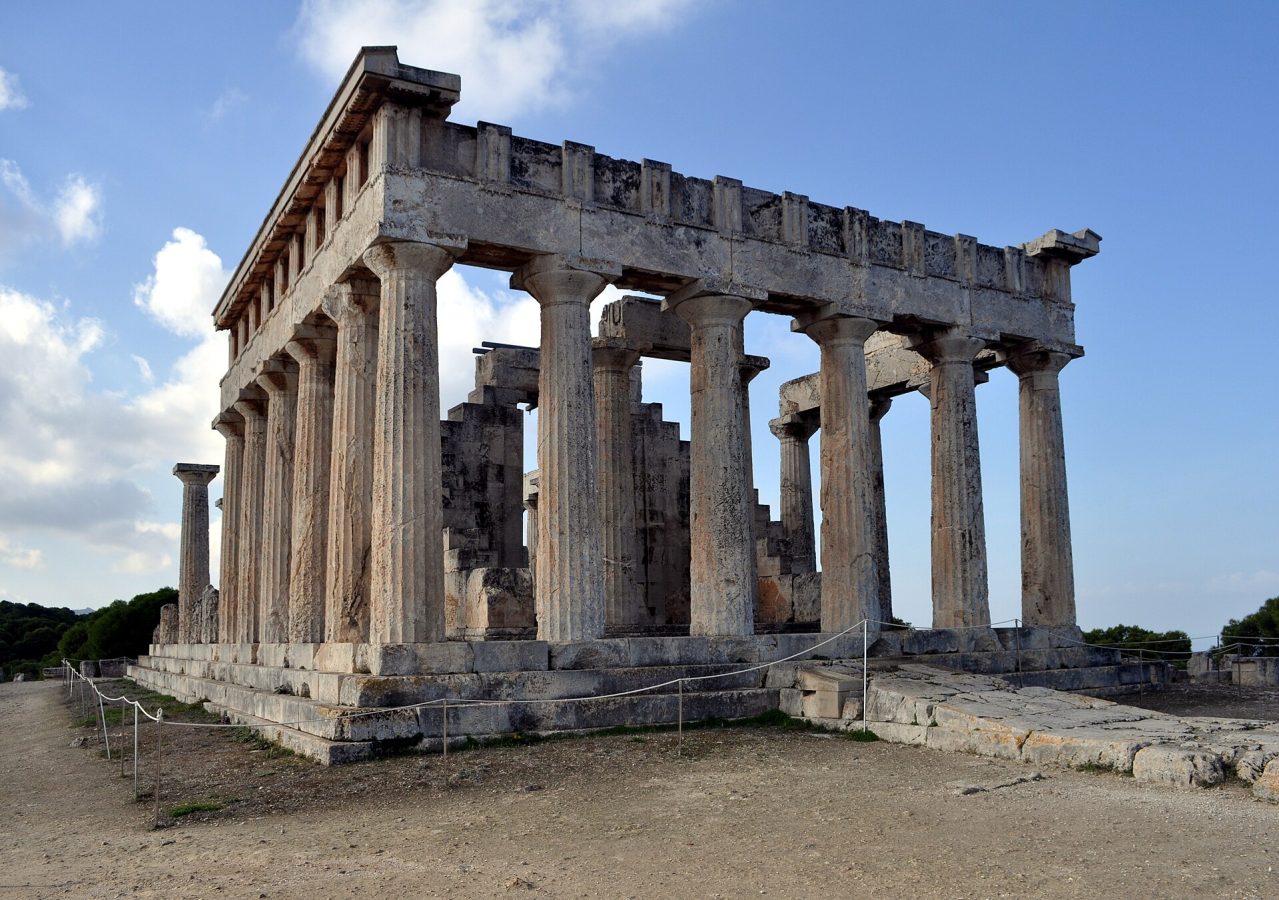
Photo: Paweł 'pbm' Szubert (talk), CC BY-SA 3.0
- Type
- Ancient Temple
- Religion
- Ancient Greek religion
- Founded
- 500 BC (c. 500 BC, over an earlier temple of c. 570 BC)
- Entry
- Small ticket fee at the gate
- Dress code
- No dress code; sturdy shoes and a hat help on the exposed hilltop.
- Tickets
- 2 tickets and tours
Temple of Aphaia tickets and tours: which one to book
The temple stands on a pine-covered summit in the north-east of Aegina, about 13 km by road from the harbour of Aegina town, so the real decision is not which ticket to buy but how to get yourself up the hill. Entry is a simple paid ticket bought at the kiosk by the car park; there are no timed slots and no reason to book it in advance. Two kinds of organised trip are on offer. The first is a private day out from Athens: a driver or guide meets you in the city, you cross from Piraeus to Aegina together, and a car takes you round the island, usually with the temple, the monastery of Agios Nektarios and a lunch stop by the sea.
Ferry tickets, transport on the island and the guide are normally included, while the archaeological site ticket and meals are often paid on the day, so check the small print. The second is a half-day island tour that starts in Aegina town for people who are already staying there or who came over on their own ferry; it strings together the temple, the monastery and the abandoned medieval village of Paliachora on the hillside opposite. Independent travellers manage perfectly well without either. Ferries and faster hydrofoils run from Piraeus several times a day, and the local bus from Aegina town towards Agia Marina stops at the temple. A private tour makes most sense if you have only one day in Athens and want the ferries and connections handled for you.
2 tickets and tours for Temple of Aphaia
Live dates and prices from GetYourGuide. Free cancellation on most tickets.
Visiting Temple of Aphaia: what to see and how to behave
What survives is one of the most complete temples of the Archaic world: a Doric building of local limestone, finished around 500 BC, with most of its outer columns still standing and a second, two-storey row of smaller columns inside the cella partly restored. It rises from a broad artificial terrace on a ridge about 160 m above the sea, and from its edge you look across the Saronic Gulf towards the mainland. Walk the path around the terrace before you study the temple itself. The terrace was widened at the end of the sixth century, after an earlier temple on the spot burned down, and the builders packed the remains of that older shrine into the fill. German excavations in the 1960s and 1970s dug them out again, and painted fragments from that first building, still bright with colour, are among the best things in the small site museum by the entrance.
The museum also shows how the temple looked with its roof and painted decoration in place. The pediments are the great loss. Their marble figures of warriors fighting at Troy were carried off in 1811 by a group of young northern European travellers and sold to Crown Prince Ludwig of Bavaria; they are now the centrepiece of the Glyptothek in Munich, and on site you see casts and a few remaining pieces. Aphaia herself was a local goddess worshipped almost nowhere else, and finds of Bronze Age figurines suggest the hilltop was sacred long before any temple was built. Visitors walk around the outside of the temple but cannot enter the cella. There is little shade, so bring water. The bus from Aegina town takes about half an hour, and a taxi a little less.
Temple of Aphaia: opening hours, ceremonies and the best time to go
The site keeps the usual hours of Greek archaeological sites, opening in the morning and closing around sunset in summer and earlier in winter; check the Ministry of Culture listing for the current hours before you set off, because they change twice a year and on public holidays. Arrive early in the morning or come in the last hours before closing. Midday in July and August is fiercely hot on the bare terrace, and the cruise and day-trip groups from Athens tend to reach the temple in late morning.
The light in the late afternoon is the warmest for photographs of the columns against the sea. Spring, from April to early June, is the finest season, with wild flowers among the pines and comfortable walking; late September and October are almost as good. Ferries are busy at Greek Easter and on summer weekends, when Athenians escape to the island. An hour on the site and in the museum is enough. A full day trip from Athens combines the temple with the monastery of Agios Nektarios, the ruined churches of Paliachora, a swim at Agia Marina below the hill and a stroll along the harbour in Aegina town, famous for its pistachios.
Compare
More tours and activities in Aegina
Before you go
Can I book a temple tour or ticket in Temple of Aphaia online?
Yes. GetYourGuide lists 2 tickets and tours for Temple of Aphaia, with live dates and prices and free cancellation on most of them.
How much is the entrance fee for Temple of Aphaia?
Entry to Temple of Aphaia: Small ticket fee at the gate
What should I wear to visit Temple of Aphaia?
No dress code; sturdy shoes and a hat help on the exposed hilltop.
When was Temple of Aphaia founded?
Temple of Aphaia was established in 500 BC.
Where is Temple of Aphaia?
Temple of Aphaia is in Aegina, Greece. The map on this page shows the exact spot.
How to visit an ancient temple: tickets, heat and rules — Tickets, hours, heat, guides, climbing rules and conservation at the ancient temples of Egypt, Greece, Italy, Angkor and the Maya world.