Hindu Temple · Mengwi · Indonesia
Pura Taman Ayun
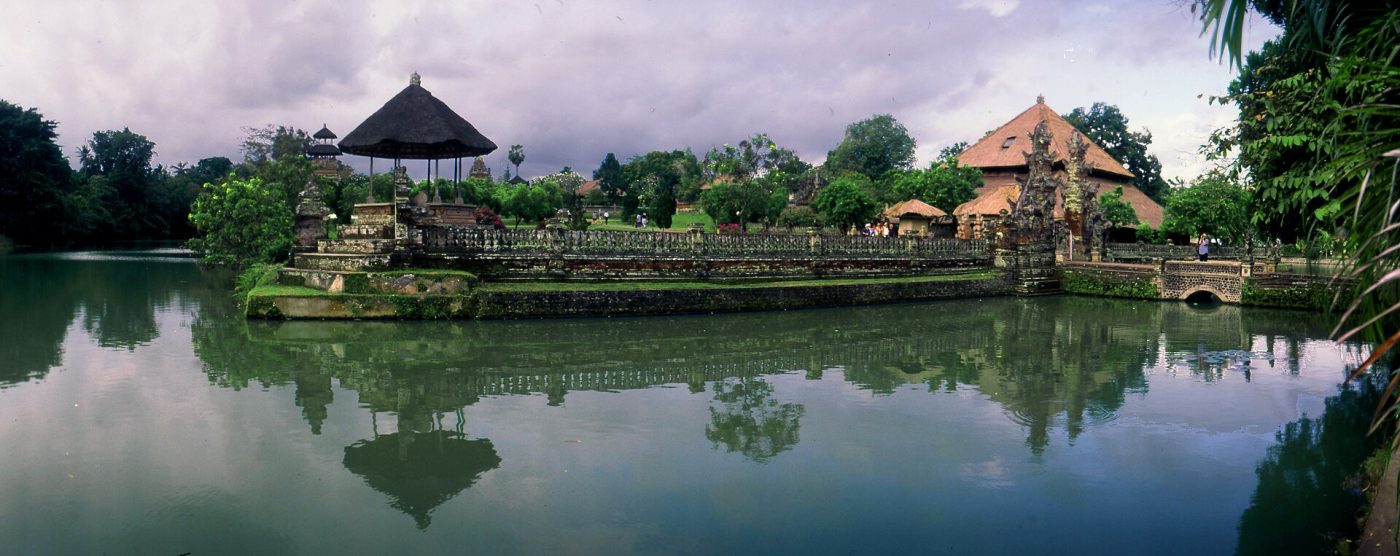
Photo: LBM1948, CC BY-SA 4.0
- Type
- Hindu Temple
- Religion
- Balinese Hinduism
- Area
- 6.9 ha
- Founded
- 1634
- Entry
- Small fee at the gate
- Dress code
- Shoulders and knees covered; sarongs are available at the entrance.
- UNESCO
- Cultural Landscape of Bali Province: the Subak System
- Tickets
- 5 tickets and tours
Pura Taman Ayun tickets and tours: which one to book
You do not need to book anything to see Pura Taman Ayun: a modest entrance fee is paid at the ticket desk on the south side, and you walk in. What is sold online is a way of getting there, since the temple lies in Mengwi, in the countryside north of Denpasar, and public transport in Bali is thin. Most visitors arrive on a day tour by car with a driver-guide, and Taman Ayun is a natural stop on the classic western circuit. The usual combinations add the sea temple of Tanah Lot for sunset, the lake temple of Ulun Danu Beratan in the highlands, the rice terraces of Jatiluwih, or the monkey forest and Ubud.
Longer northern routes continue to waterfalls in the hills. These tours normally include hotel pick-up from Kuta, Seminyak, Ubud or Canggu, a driver and fuel; entrance fees, lunch and drinks are often extra, so read the inclusions before booking. Private car hire for the day works in exactly the same way and lets you set your own pace. If you only want this one temple, a short taxi or ride-hailing trip from Ubud or the southern resorts is the cheapest option; ask the driver to wait, as getting a car back from Mengwi can be slow.
5 tickets and tours for Pura Taman Ayun
Live dates and prices from GetYourGuide. Free cancellation on most tickets.
Visiting Pura Taman Ayun: what to see and how to behave
Taman Ayun was built in 1634 by the ruler of Mengwi as the royal family temple, and its name is usually translated as beautiful garden. The compound covers about 7 hectares and is surrounded by a broad moat, so you cross a bridge to enter. Since 2012 it has been part of the UNESCO-listed cultural landscape of Bali's subak, the cooperative irrigation system of the island's rice fields, and its waters still feed the farms around it. Like most Balinese temples it rises through three courtyards, each reached through a split gate. The outer court is a lawn with a large open pavilion once used for cockfights and now for gatherings. The middle court has a small gate guarded by carved figures and a tall wooden drum tower.
The inner sanctuary, the holiest part, is closed to visitors, but a path runs round its low enclosing wall and gives a clear view of the main sight: a row of pagoda-like meru shrines with stacked thatched roofs, from two tiers up to eleven, honouring the Hindu gods and the ancestors of the Mengwi dynasty. Allow time to walk the outer path slowly, as the lotus ponds, fountains and inner moat are what make the place feel like a garden. A small gallery near the entrance tells the history of the royal house, and two little museums just outside the south-west corner display ogoh-ogoh demon figures and replicas of temple rituals. Wear a sarong and cover your shoulders; menstruating women are traditionally asked not to enter. Do not step over offerings on the ground. Mengwi is about 19 km north of Denpasar, roughly 40 minutes by car from Seminyak and a little more from Ubud.
Pura Taman Ayun: opening hours, ceremonies and the best time to go
The temple is open daily from morning until early evening; check the current hours locally, as they can change on ceremony days. The best time is the first hour after opening, before the tour cars on the western circuit arrive, or the middle of the afternoon if you are heading on to Tanah Lot for sunset. Midday light is harsh, and there is little shade along the outer path.
The dry season from April to October is the easiest time to travel, though the gardens look greenest during the wetter months, when showers usually come in the afternoon. Balinese temples celebrate their anniversary, the odalan, once every 210-day cycle of the Balinese calendar, and the island-wide festivals of Galungan and Kuningan also fill the courtyards with offerings and worshippers in traditional dress. These are fine days to see the temple in use, but parts may be closed to visitors. On Nyepi, the day of silence, the whole island shuts down. Allow 45 minutes to an hour, and pair the visit with Tanah Lot, Ulun Danu Beratan or Jatiluwih.
More tours and activities in Mengwi
Before you go
Can I book a temple tour or ticket in Pura Taman Ayun online?
Yes. GetYourGuide lists 5 tickets and tours for Pura Taman Ayun, with live dates and prices and free cancellation on most of them.
How much is the entrance fee for Pura Taman Ayun?
Entry to Pura Taman Ayun: Small fee at the gate
When is Pura Taman Ayun open?
The inner sanctuary, the holiest part, is closed to visitors, but a path runs round its low enclosing wall and gives a clear view of the main sight: a row of pagoda-like meru shrines with stacked thatched roofs, from two tiers up to eleven, honouring the Hindu gods and the ancestors of the Mengwi dynasty.
How many days do you need in Pura Taman Ayun?
Allow time to walk the outer path slowly, as the lotus ponds, fountains and inner moat are what make the place feel like a garden.
When is the best time to visit Pura Taman Ayun?
The best time is the first hour after opening, before the tour cars on the western circuit arrive, or the middle of the afternoon if you are heading on to Tanah Lot for sunset.
What should I wear to visit Pura Taman Ayun?
Shoulders and knees covered; sarongs are available at the entrance.
How big is Pura Taman Ayun?
Pura Taman Ayun covers 6.9 ha.
When was Pura Taman Ayun founded?
Pura Taman Ayun was established in 1634.
Where is Pura Taman Ayun?
Pura Taman Ayun is in Mengwi, Indonesia. The map on this page shows the exact spot.
How to visit a Hindu temple: dress, shoes and access — What to wear, what to leave at the gate and where non-Hindus may go in Hindu temples in India, Nepal, Bali and South-East Asia.