Ancient Temple · Sukhothai · Thailand
Sukhothai Historical Park
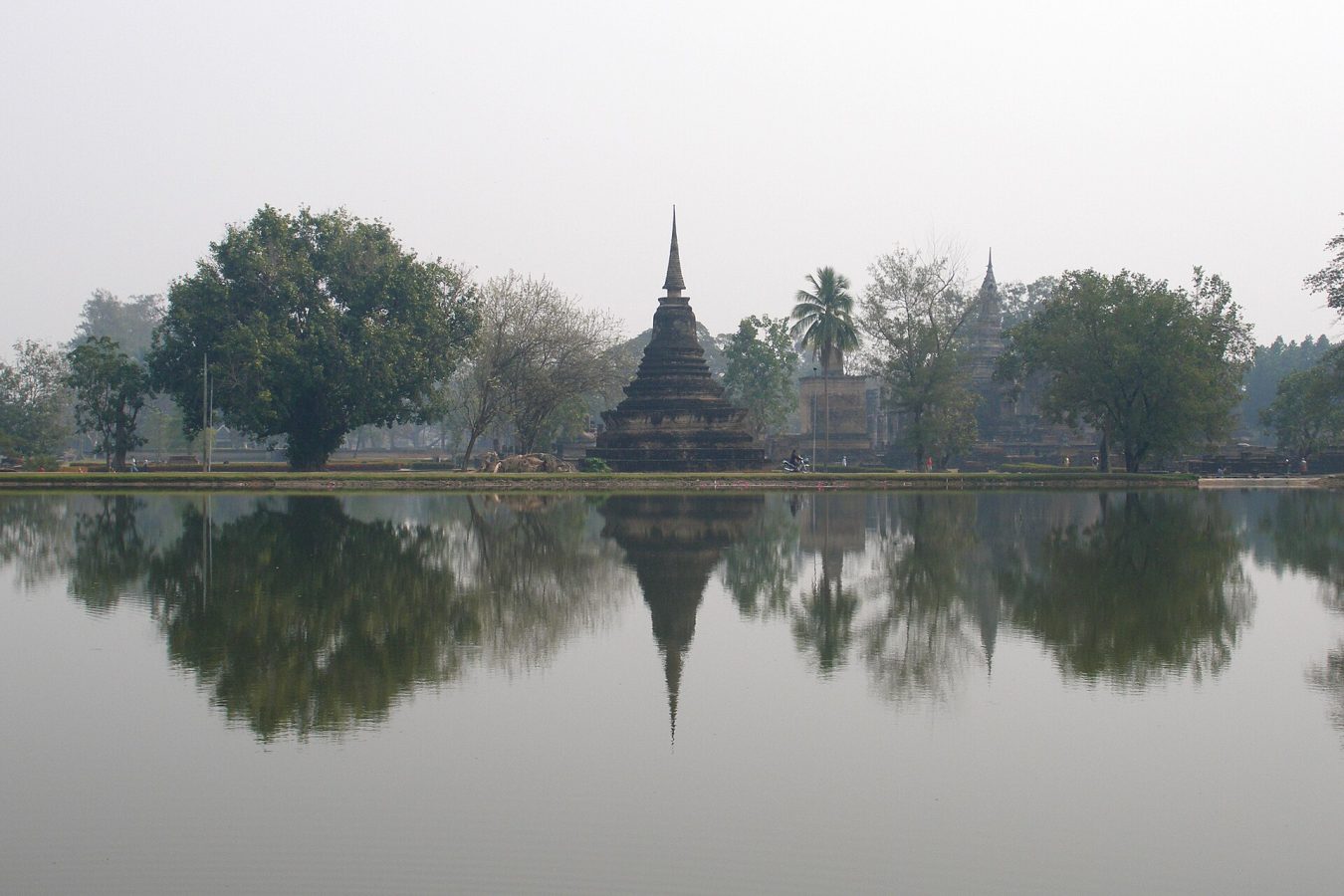
Photo: Vyacheslav Argenberg, CC BY 4.0
- Type
- Ancient Temple
- Religion
- Theravada Buddhism
- Area
- 70 km²
- Founded
- 1238 (capital of the Sukhothai Kingdom from c. 1238)
- Entry
- Separate ticket for each zone
- Dress code
- Shoulders and knees covered near the Buddha images; do not climb on the monuments.
- UNESCO
- Historic Town of Sukhothai and Associated Historic Towns
- Tickets
- 18 tickets and tours
Sukhothai Historical Park tickets and tours: which one to book
The park is divided into zones, each with its own gate and ticket bought on the spot, so there is no need to book entry in advance. The central zone inside the old city walls holds the most important temples; the northern and western zones are worth the extra tickets, and a small additional fee is charged for bringing a bicycle or car inside. Most visitors stay in New Sukhothai, about 12 km to the east, and ride the local shared pick-up trucks to the park gate, where bicycles can be hired cheaply. The tours sold online fall into a few groups.
Cycling tours, which start in town or at the gate, are the most popular: a guide leads you around the ruins and often along village lanes, rice fields and canals outside the walls, with the bike, helmet, water and entry tickets usually included. Some run as late-afternoon rides that end at sunset by the ponds. There are also private guided visits with hotel pick-up, by car rather than bike, and longer day trips that add Si Satchanalai or Kamphaeng Phet, the two other historic towns listed with Sukhothai by UNESCO. Finally, a large share of the products are private transfers between Sukhothai and Chiang Mai or Bangkok, some with a stop at the park along the way, which solve the problem of getting here on a long overland route.
18 tickets and tours for Sukhothai Historical Park
Live dates and prices from GetYourGuide. Free cancellation on most tickets.
Visiting Sukhothai Historical Park: what to see and how to behave
Sukhothai was the capital of the first great Tai kingdom in the 13th and 14th centuries, and Thais regard it as the cradle of their art, script and Buddhism. The walled city is roughly rectangular, about 2 km from east to west, with a gate in each wall; within it stand the remains of the royal palace and some two dozen temples, and close to 200 ruins are scattered across the wider park. A few buildings, such as Wat Si Sawai with its three corn-cob towers, predate the kingdom and show the earlier Khmer influence from Angkor. Start in the central zone at Wat Mahathat, the royal temple, where rows of seated Buddhas line the old assembly halls and the main chedi ends in a lotus-bud spire, a shape that became the signature of Sukhothai.
Nearby, Wat Sa Si stands on an island in a pond and is the classic photograph at dusk. Look out for the walking Buddha in stucco, a graceful form first developed here. Outside the walls to the north, Wat Si Chum encloses a huge seated Buddha in a tall roofless chamber, whose long fingers you can glimpse through a narrow opening as you approach. The statue of King Ramkhamhaeng near the central gate honours the ruler credited with the earliest Thai inscriptions. The images are still revered: do not climb on bases or pose disrespectfully beside a Buddha. Hats off near the shrines, and keep to the paths on the brick platforms.
Sukhothai Historical Park: opening hours, ceremonies and the best time to go
The zones open early in the morning and close around early evening, with the central zone generally keeping the longest hours. Arrive at opening time, when the light is soft, the ponds are still and the heat has not yet built up; late afternoon is the other good window, finishing with sunset over the water at Wat Sa Si or Wat Mahathat. The cool, dry season from November to February is the most comfortable time for cycling.
March to May is very hot, and the rains from June to October turn the grass green but bring heavy afternoon showers. The big event is Loi Krathong at the full moon of the twelfth lunar month, usually in November, which Sukhothai claims as its own: the park hosts several nights of candlelit floats on the ponds, light shows and fireworks, and accommodation fills well ahead. Allow a full day to cycle the central, northern and western zones, or two days to add Si Satchanalai.
More tours and activities in Sukhothai
Before you go
Can I book a temple tour or ticket in Sukhothai Historical Park online?
Yes. GetYourGuide lists 18 tickets and tours for Sukhothai Historical Park, with live dates and prices and free cancellation on most of them.
How many days do you need in Sukhothai Historical Park?
Allow a full day to cycle the central, northern and western zones, or two days to add Si Satchanalai.
How much is the entrance fee for Sukhothai Historical Park?
Entry to Sukhothai Historical Park: Separate ticket for each zone
What should I wear to visit Sukhothai Historical Park?
Shoulders and knees covered near the Buddha images; do not climb on the monuments.
How big is Sukhothai Historical Park?
Sukhothai Historical Park covers 70 km².
When was Sukhothai Historical Park founded?
Sukhothai Historical Park was established in 1238.
Where is Sukhothai Historical Park?
Sukhothai Historical Park is in Sukhothai, Thailand. The map on this page shows the exact spot.
How to visit an ancient temple: tickets, heat and rules — Tickets, hours, heat, guides, climbing rules and conservation at the ancient temples of Egypt, Greece, Italy, Angkor and the Maya world.