Buddhist Temple · Fukuoka · Japan
Nanzo-in (Reclining Buddha, Sasaguri)
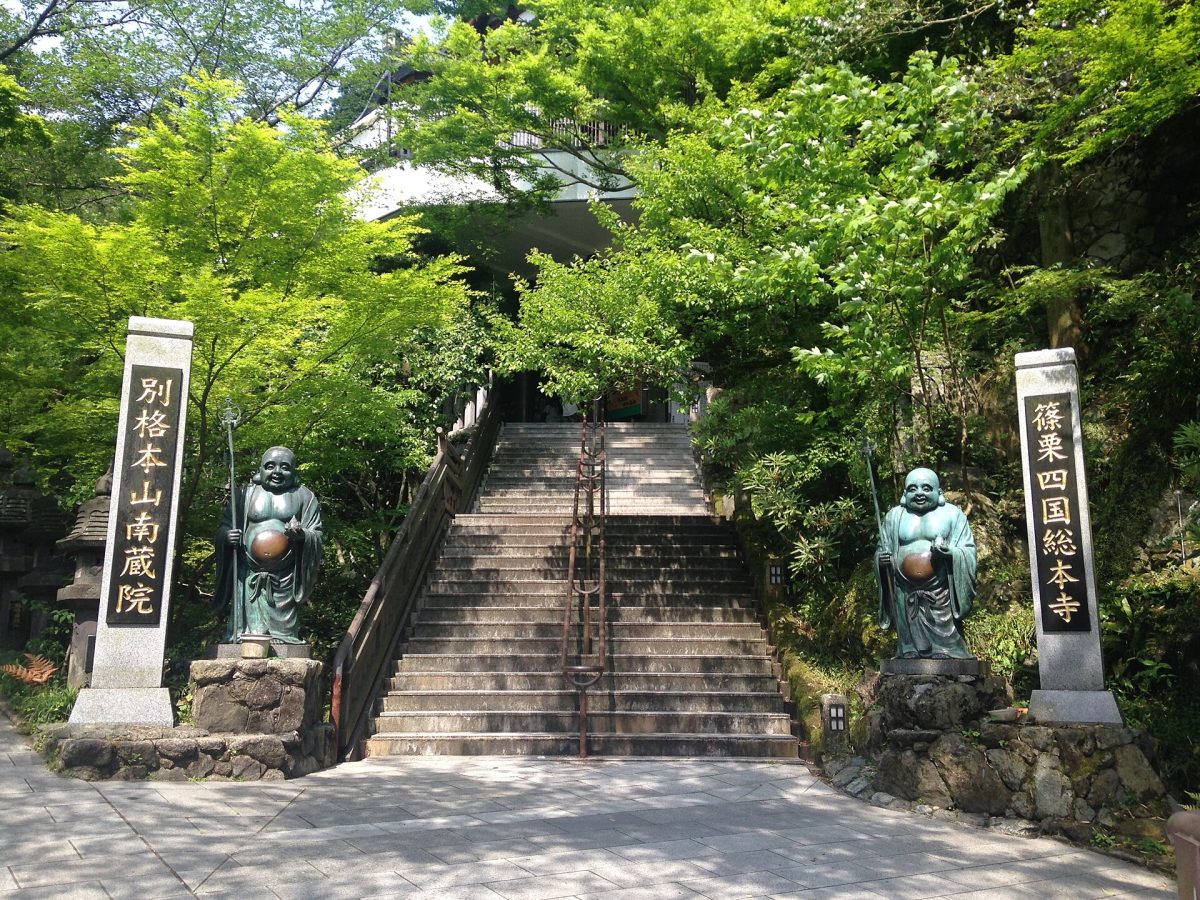
Photo: そらみみ, CC BY-SA 4.0
- Type
- Buddhist Temple
- Religion
- Shingon Buddhism
- Founded
- 1899 (moved here from Mount Koya in 1899)
- Height
- 11 m
- Entry
- Free
- Dress code
- No strict dress code; dress modestly and remove shoes in any hall you enter.
- Tickets
- 3 tickets and tours
- Website
- nanzoin.net
Nanzo-in (Reclining Buddha, Sasaguri) tickets and tours: which one to book
Nanzo-in is a working Shingon temple with open grounds, so there is no entry ticket to buy: you walk in through the gate and up the wooded slope at no charge, and the reclining Buddha, the shrines and the paths are all free to see. Small donations at the halls, incense and candles, and the sale of amulets and lucky charms are how the temple supports itself. What is sold online is company and context rather than access. A handful of guided visits start in Fukuoka: a local guide meets you in the city or at the station in Sasaguri, rides the train out with you and walks you round the grounds, explaining the Shingon practices, the pilgrimage route and the stories attached to the statues.
These are useful if you want the symbolism decoded, because almost none of the signage in the grounds is in English. Transport fares and offerings are usually paid by you on the day, so read what each listing covers. The other option is a day trip that pairs Nanzo-in with Dazaifu, the shrine town south of Fukuoka, often with lunch included and a driver or a coach doing the logistics. That is the sensible choice if you have only one day out of the city and want both sights without working out the connections. Independent travellers manage easily on the local train, though, and the temple is quite enjoyable without a guide.
3 tickets and tours for Nanzo-in (Reclining Buddha, Sasaguri)
Live dates and prices from GetYourGuide. Free cancellation on most tickets.
Visiting Nanzo-in (Reclining Buddha, Sasaguri): what to see and how to behave
The temple sits on a forested hillside in Sasaguri, a small town in the hills east of Fukuoka, and the visit is a gentle climb. From the gate a path rises past moss-covered stone figures, lanterns, little shrines and a stream, and after a few minutes the trees open onto the reason most people come: a bronze Buddha lying on his right side, 41 m long and about 11 m high, cast to show the moment of his death and passage into nirvana. The scale is striking at close range, and the soles of the feet, decorated with auspicious symbols, are worth walking round to see. Nanzo-in itself is older than the setting. It stood on Mount Koya until anti-Buddhist pressure in the 1880s threatened it, and after years of effort by local people it was moved here in 1899.
The statue came much later, unveiled in 1995 in front of more than a thousand monks from Myanmar and Nepal; relics of the Buddha and two of his disciples, a gift from Myanmar, are kept inside it. The temple is also the head of the Sasaguri pilgrimage of 88 small temples scattered through the surrounding hills. Look out for the statue of Daikoku, the god of wealth, whose reputation for luck began when a chief priest won the lottery; people still leave tickets in front of him. Higher up, a waterfall dedicated to Fudo Myoo is used for cold-water ascetic practice. Walk quietly, keep to the paths, bow briefly before you photograph a shrine, and do not climb on statues. Take the JR Sasaguri Line from Hakata to Kido-Nanzoin-mae station, a ride of about half an hour; the gate is a short walk from the platform.
Nanzo-in (Reclining Buddha, Sasaguri): opening hours, ceremonies and the best time to go
The grounds are open from early morning until late afternoon every day of the year, and because there is no ticket office the hours are not policed tightly; check the official site for the current times of the halls and the shop. Weekday mornings are quiet, while weekends bring families from Fukuoka and the occasional coach group in the middle of the day. The hillside is at its best in autumn, when the maples around the paths turn, and in late spring, when the greenery is fresh.
Summer is humid and buzzing with insects but shady under the trees; winter is cold and very peaceful. The annual cleaning of the reclining Buddha, when monks and volunteers brush the bronze with bamboo poles, is a memorable sight if your dates coincide. Allow about two hours for the main grounds and a little more if you want to follow part of the Sasaguri pilgrimage trail. Nanzo-in combines naturally with Dazaifu Tenmangu on the same day, or with an afternoon back in Hakata and the shrines around Kushida.
More tours and activities in Fukuoka
Before you go
Can I book a temple tour or ticket in Nanzo-in (Reclining Buddha, Sasaguri) online?
Yes. GetYourGuide lists 3 tickets and tours for Nanzo-in (Reclining Buddha, Sasaguri), with live dates and prices and free cancellation on most of them.
When is Nanzo-in (Reclining Buddha, Sasaguri) open?
The grounds are open from early morning until late afternoon every day of the year, and because there is no ticket office the hours are not policed tightly; check the official site for the current times of the halls and the shop.
How many days do you need in Nanzo-in (Reclining Buddha, Sasaguri)?
Allow about two hours for the main grounds and a little more if you want to follow part of the Sasaguri pilgrimage trail.
Do you need a guide to visit Nanzo-in (Reclining Buddha, Sasaguri)?
Independent travellers manage easily on the local train, though, and the temple is quite enjoyable without a guide.
How much is the entrance fee for Nanzo-in (Reclining Buddha, Sasaguri)?
Entry to Nanzo-in (Reclining Buddha, Sasaguri): Free
What should I wear to visit Nanzo-in (Reclining Buddha, Sasaguri)?
No strict dress code; dress modestly and remove shoes in any hall you enter.
When was Nanzo-in (Reclining Buddha, Sasaguri) founded?
Nanzo-in (Reclining Buddha, Sasaguri) was established in 1899.
Where is Nanzo-in (Reclining Buddha, Sasaguri)?
Nanzo-in (Reclining Buddha, Sasaguri) is in Fukuoka, Japan. The map on this page shows the exact spot.
How to visit a Buddhist temple: shoes, dress and manners — Shoes, dress, feet, photos and offerings in Buddhist temples, from the wats of Thailand and Sri Lanka to the Zen temples of Japan.