Shinto Shrine · Nachikatsuura · Japan
Kumano Nachi Taisha
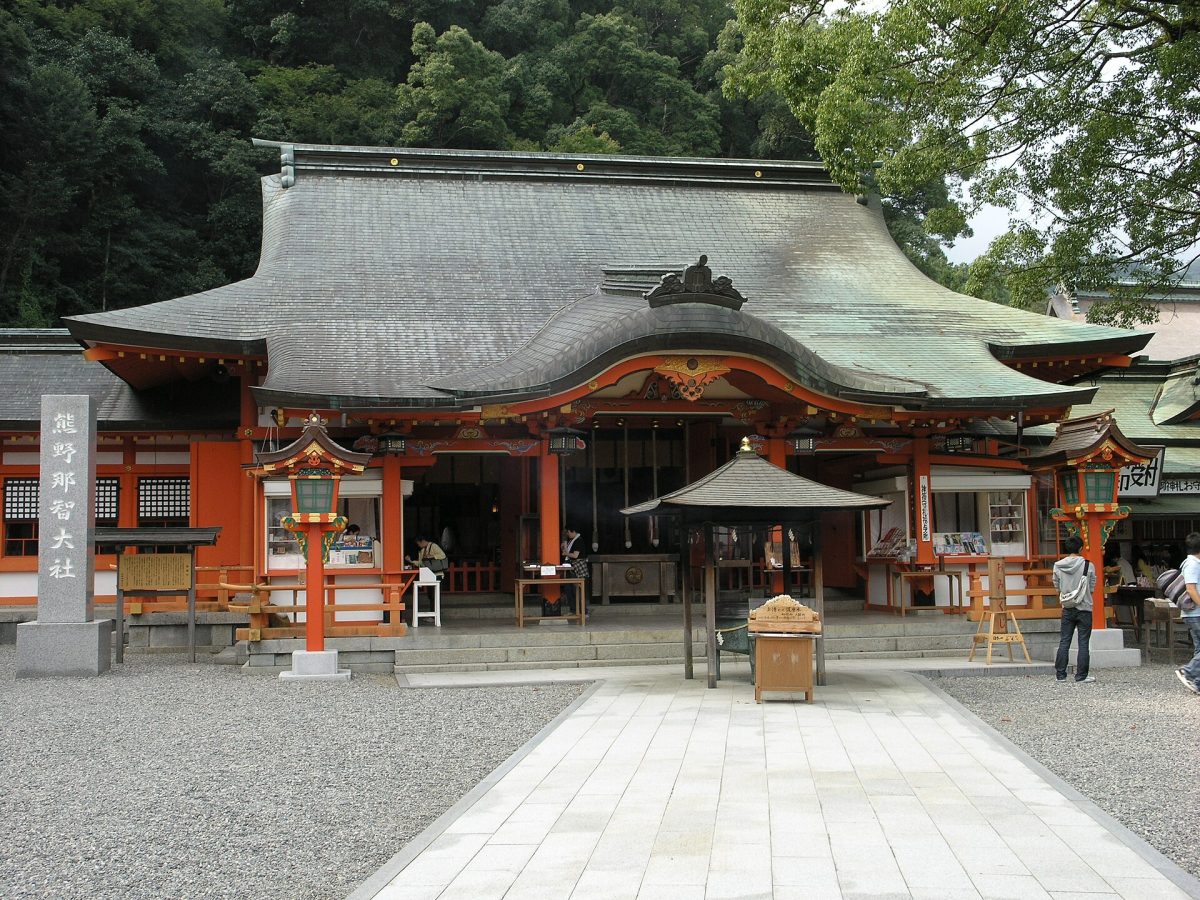
Photo: Kansai explorer, CC BY 3.0
- Type
- Shinto Shrine
- Where
- Nachikatsuura, Japan
- Religion
- Shinto
- Founded
- 500
- Entry
- Free; small fee at the falls platform
- Dress code
- No dress code; wear good shoes for the stone steps.
- UNESCO
- Sacred Sites and Pilgrimage Routes in the Kii Mountain Range
- Tickets
- 1 ticket or tour
- Website
- kumanonachitaisha.or.jp
Kumano Nachi Taisha tickets and tours: which one to book
Kumano Nachi Taisha does not sell tickets. The shrine is free to enter, and only a few extras cost money: the platform at the foot of the waterfall, the upper floors of the pagoda of the neighbouring Seiganto-ji temple, and the shrine's treasure house each charge a small fee at the door. The one bookable product is a local guided tour from Nachikatsuura that covers the shrine, Seiganto-ji and the waterfall in one outing. It suits travellers without a car who want transport up the mountain and someone to explain how Shinto and Buddhism have shared this site for more than a thousand years.
Check whether the walk up the Daimonzaka stone stairway is included, since that is the best part of the approach, and whether the small fees are covered. Independent travel is easy. From Kii-Katsuura station buses run up to Nachisan in about 30 minutes. Get off at the Daimonzaka stop to walk the last stretch of the old pilgrim road, then take the bus back down from the stop near the falls. Walkers on the Kumano Kodo arrive on foot: the Nakahechi trail reaches Nachi from Hongu over the long, steep Ogumotori-goe pass, and many hikers make Nachi their last shrine after Hongu Taisha and Hayatama Taisha. Car drivers will find paid parking near the shrine and the waterfall.
Tickets and tours for Kumano Nachi Taisha
Live dates and prices from GetYourGuide. Free cancellation on most tickets.
Visiting Kumano Nachi Taisha: what to see and how to behave
Nachi Taisha is one of the three grand shrines of Kumano, and together with Hongu Taisha and Hayatama Taisha it was the goal of the pilgrimages that emperors, nobles and ordinary people made into these mountains for centuries. All three are part of the UNESCO site of the sacred sites and pilgrimage routes of the Kii mountains. Worship here began with the waterfall itself, and the shrine on the mountainside followed. The classic approach is the Daimonzaka, a broad stone stairway climbing for well over half a kilometre between enormous cedars, some of them many centuries old. At the top, more steps lead past souvenir stalls to the vermilion halls of the shrine, set on a terrace with a wide view over the mountains.
Look for the three-legged crow, Yatagarasu, the messenger of the Kumano deities, which appears on charms and banners. Beside the main halls stands a camphor tree said to be about 850 years old, with a hollow trunk you can walk through after making a small offering. Next door, Seiganto-ji temple shows how intertwined the two faiths were before they were forcibly separated in the 1870s. Below it, the red three-storey pagoda stands in front of the Nachi Falls, a single drop of 133 m and the highest in Japan; the view of pagoda and falls together is the image on every poster of the region. A path leads down through the woods to Hiryu Shrine at the foot of the falls, where the waterfall itself is the object of worship and there is no main hall. Bow at the torii, purify your hands at the basin and keep to the paths.
Kumano Nachi Taisha: opening hours, ceremonies and the best time to go
The shrine grounds are accessible from early morning to late afternoon, and the halls, the treasure house and the waterfall platform keep daytime hours; check the official site for the current times. Come early in the morning, when mist often hangs in the cedars and before the coaches arrive from the coast. Autumn and late spring are the most comfortable seasons for the climb; summer is hot and humid, and the falls are at their fullest after the rainy season in June and early July or after a typhoon.
Winter is mild on this coast, though the stone steps can be slippery after rain. The great event of the year is the Nachi Fire Festival on 14 July, when white-robed men carry huge flaming torches down the steps to meet tall portable shrines on their way to the waterfall; it is crowded and spectacular, so arrive very early. Allow about three hours for the Daimonzaka walk, the shrine, Seiganto-ji and the falls. Combine it with a night in Katsuura with its hot springs and tuna market, or with Hongu and the Kumano Kodo trails.
More tours and activities in Nachikatsuura
Before you go
Can I book a temple tour or ticket in Kumano Nachi Taisha online?
Yes. GetYourGuide lists one ticket or tour for Kumano Nachi Taisha, with live dates and prices and free cancellation on most of them.
How many days do you need in Kumano Nachi Taisha?
Allow about three hours for the Daimonzaka walk, the shrine, Seiganto-ji and the falls.
How much is the entrance fee for Kumano Nachi Taisha?
Entry to Kumano Nachi Taisha: Free; small fee at the falls platform
What should I wear to visit Kumano Nachi Taisha?
No dress code; wear good shoes for the stone steps.
When was Kumano Nachi Taisha founded?
Kumano Nachi Taisha was established in 500.
Where is Kumano Nachi Taisha?
Kumano Nachi Taisha is in Nachikatsuura, Japan. The map on this page shows the exact spot.
How to visit a Shinto shrine: torii, water and prayer — How to pass the torii, purify at the water basin, pray, take photos and buy charms at a Shinto shrine in Japan.