Buddhist Temple · Yoshino · Japan
Kinpusen-ji
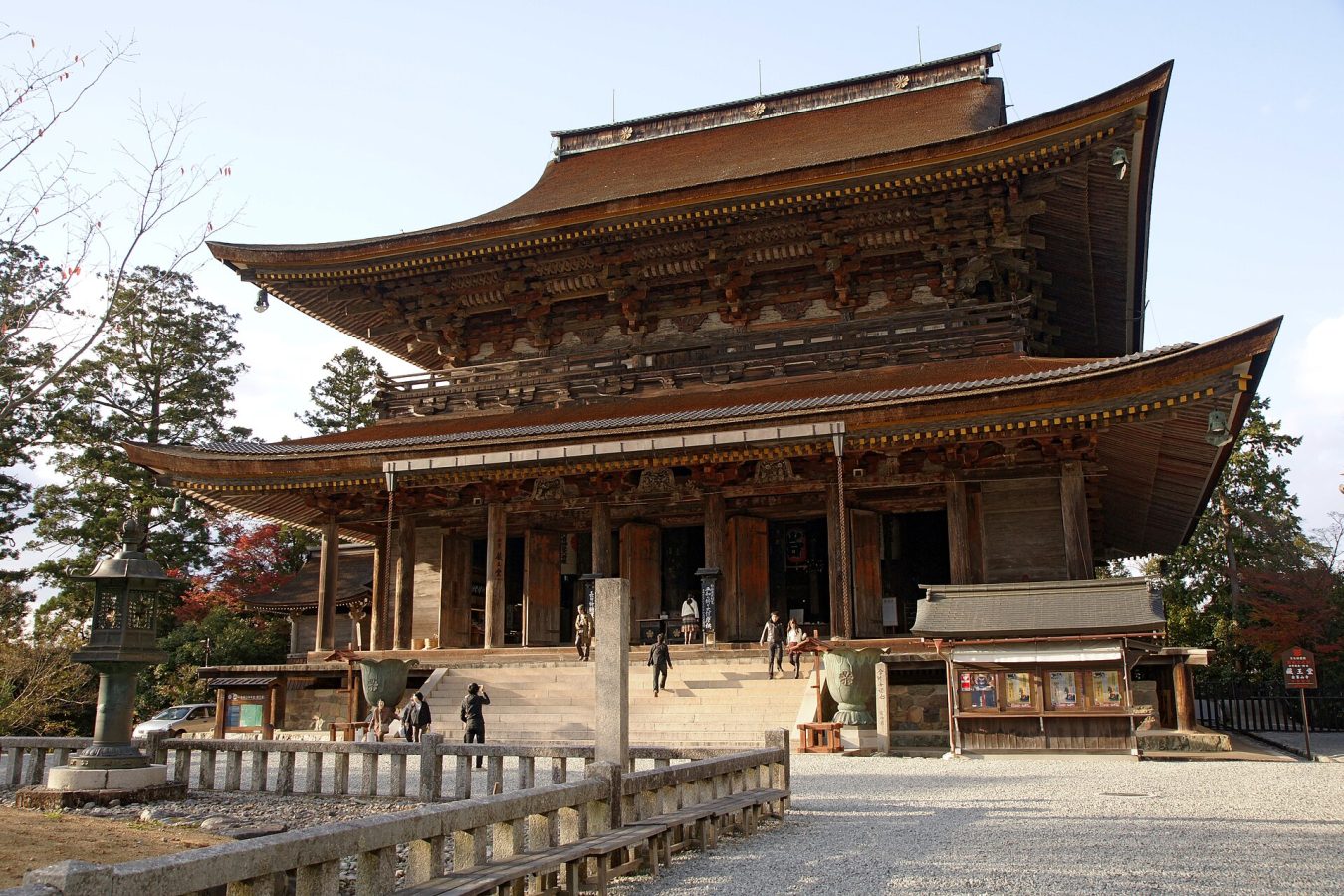
Photo: 663highland, CC BY 2.5
- Type
- Buddhist Temple
- Religion
- Shugendo
- Founded
- 700 (traditional date, c. 700; Zao-do rebuilt 1592)
- Height
- 34 m
- Entry
- Grounds free; fee for the Zao-do
- Dress code
- No strict dress code; shoes off inside the Zao-do hall.
- UNESCO
- Sacred Sites and Pilgrimage Routes in the Kii Mountain Range
- Tickets
- 1 ticket or tour
- Website
- kinpusen.or.jp
Kinpusen-ji tickets and tours: which one to book
Kinpusen-ji does not sell tickets online. The temple precinct on the Yoshino ridge is open to walk through for free, and a fee is paid at the door of the great Zao-do hall if you want to go inside; it rises during the periods when the hidden statues are shown. Prayer services and the purchase of charms and a goshuin stamp are arranged at the temple office. The one bookable product connected with the temple is a guided hike from Yoshino town that combines a walk through the forest to a waterfall with a visit to Kinpusen-ji. It suits people who want some context on Shugendo, the mountain religion that blends Buddhism, Shinto and older beliefs, and who would like a guide to choose the trails;
the price normally covers the guide only, with transport to Yoshino, food and the hall fee paid separately. Most visitors come independently. The Kintetsu Yoshino line runs from Osaka Abenobashi in about 75 to 90 minutes, with a change at Kashiharajingu-mae for travellers coming from Kyoto. From Yoshino station a short ropeway, or a 20-minute walk uphill, brings you onto the ridge, and the temple is a few minutes further along the main street of shops and inns. Many people make it a day trip from Osaka, Kyoto or Nara; an overnight stay in a temple lodging on the ridge is the most rewarding way to see it.
Tickets and tours for Kinpusen-ji
Live dates and prices from GetYourGuide. Free cancellation on most tickets.
Visiting Kinpusen-ji: what to see and how to behave
Kinpusen-ji is the head temple of Kinpusen Shugendo and, with Ominesan-ji on the peaks to the south, the most important temple of the yamabushi, the mountain ascetics in checked robes who still blow conch shells and walk the pilgrim trails here. Tradition credits its founding to En no Gyoja around the year 700, who is said to have called up the fierce deity Zao Gongen on the mountain. The temple has been part of the UNESCO World Heritage site of the sacred sites and pilgrimage routes of the Kii mountains since 2004, and Yoshino is the start of the Omine trail that runs over the ridges to Kumano. The temple's centre is the Zao-do, a towering hall of dark timber with a cypress-bark roof, rebuilt in the late sixteenth century and designated a National Treasure.
It is the second largest wooden building in Japan after the Great Buddha Hall of Todai-ji in Nara, and its interior is held up by tall, roughly shaped tree trunks of different species. Inside are three huge blue statues of Zao Gongen, about 7 m high, with raised arms and flaming hair; they are hidden buddhas, normally kept behind screens and shown only during announced special openings. Approach from the north through the massive two-storey Niomon gate, also a National Treasure, then look for the small Inari shrine in the compound, the stone lanterns, and the memorial hall for the emperors of the Southern Court, who held court in Yoshino in the fourteenth century. Take your shoes off before entering the hall, keep quiet during the chanting, and do not photograph inside.
Kinpusen-ji: opening hours, ceremonies and the best time to go
The temple grounds are open during daylight, and the Zao-do typically opens from morning until late afternoon; check the official site for the current hours and for the dates of the special openings of the hidden statues. Yoshino is one of the most famous cherry blossom sites in Japan, with tens of thousands of trees planted in bands up the mountain, so the blossom rolls upward over two or three weeks from early to late April.
This is the most beautiful time to come and also by far the most crowded, with long queues for the trains and the ropeway; arrive early in the morning or stay overnight. A flower offering ceremony is held in April, and on 7 July the temple holds its lotus festival with the comic frog-jumping ritual. Autumn colour in November is quieter and very fine, and winter is calm though cold. Allow an hour for the temple itself and a full day for Yoshino, adding the walk up to Yoshimizu Shrine, Chikurin-in garden and the upper slopes around Kinpu Shrine.
More tours and activities in Yoshino
Before you go
Can I book a temple tour or ticket in Kinpusen-ji online?
Yes. GetYourGuide lists one ticket or tour for Kinpusen-ji, with live dates and prices and free cancellation on most of them.
When is Kinpusen-ji open?
The temple precinct on the Yoshino ridge is open to walk through for free, and a fee is paid at the door of the great Zao-do hall if you want to go inside; it rises during the periods when the hidden statues are shown.
How many days do you need in Kinpusen-ji?
Allow an hour for the temple itself and a full day for Yoshino, adding the walk up to Yoshimizu Shrine, Chikurin-in garden and the upper slopes around Kinpu Shrine.
What should I wear to visit Kinpusen-ji?
No strict dress code; shoes off inside the Zao-do hall.
How much is the entrance fee for Kinpusen-ji?
Entry to Kinpusen-ji: Grounds free; fee for the Zao-do
When was Kinpusen-ji founded?
Kinpusen-ji was established in 700.
Where is Kinpusen-ji?
Kinpusen-ji is in Yoshino, Japan. The map on this page shows the exact spot.
How to visit a Buddhist temple: shoes, dress and manners — Shoes, dress, feet, photos and offerings in Buddhist temples, from the wats of Thailand and Sri Lanka to the Zen temples of Japan.