Hindu Temple · Bangli · Indonesia
Pura Kehen
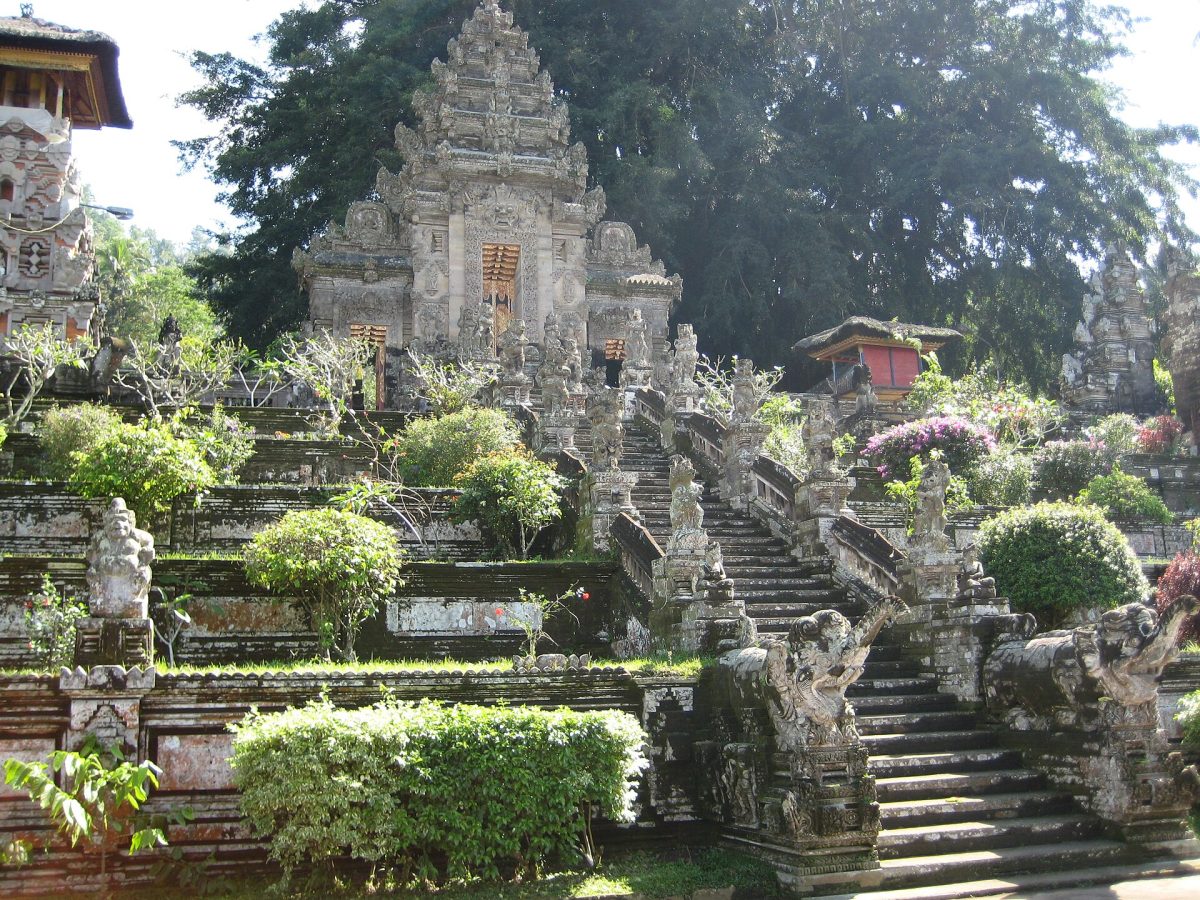
Photo: Esme Vos, CC BY 2.0
- Type
- Hindu Temple
- Religion
- Balinese Hinduism
- Founded
- 800 (first recorded in a late 9th-century inscription)
- Entry
- Small fee; sarong lent
- Dress code
- Sarong and sash required for everyone; they are lent at the entrance.
- Tickets
- 6 tickets and tours
Pura Kehen tickets and tours: which one to book
Pura Kehen has no online ticket of its own. Visitors pay a modest entrance fee at the gate in Bangli, where a sarong and sash are handed over, and there is no need to book ahead. The temple is quiet compared with the big names of southern Bali, and on most days you can walk straight in. Getting there is the real question, because Bangli lies in the hills well away from the beach resorts. Most people come on a private day tour with a driver, and Kehen fits neatly into several kinds of itinerary. Some combine it with waterfalls and the rice terraces of the central uplands. Others pair it with a Balinese cooking class in a family compound, or with a morning on a citrus farm on the way up to Kintamani and the Batur caldera.
A longer eastern loop links Kehen with Besakih, the mother temple on the slopes of Agung. There are also trips that join it with Trunyan, the lakeside village on Batur known for its unusual open-air burial customs, which is a sombre and culturally sensitive place to visit. These tours generally include hotel pickup, the driver and fuel, and sometimes an English-speaking guide; temple fees and lunch are often paid on the day. A guide adds a great deal here, because the shrines carry no labels. Hiring a driver by the day from Ubud, about 45 minutes away, and adding the traditional village of Penglipuran nearby is the most flexible way to see it.
6 tickets and tours for Pura Kehen
Live dates and prices from GetYourGuide. Free cancellation on most tickets.
Visiting Pura Kehen: what to see and how to behave
Pura Kehen was the state temple of the old kingdom of Bangli, and it is one of the oldest and best preserved royal temples on the island. Copper-plate inscriptions name it in the 9th, 11th and 13th centuries; the early names refer to fire, and in the 11th century royal officials swore their oaths of loyalty here before the god of fire, under threat of a curse on their families if they lied. The compound climbs a wooded hillside on a north-south axis, rising through the three classic courtyards of a Balinese temple. A broad stone stair lined with figures from the Ramayana leads up from the road to the outer court. Here a huge banyan, at least 400 years old, shades the gamelan pavilions; look up to find the small hut built high in its branches.
The tree is sacred locally, and a falling branch is read as an omen of death. A split gate leads into the middle court, with its shrines and the area where offerings are prepared, and a final stair brings you to the inner sanctum. Its centrepiece is a tall eleven-tiered meru, the multi-roofed pagoda reserved for the highest gods. Look closely at the walls around the courts: old Chinese porcelain plates are set into the masonry, a sign of trade links centuries old. Visitors wear a sarong and sash throughout, keep below the shrines, never step over offerings, and should not climb on walls. By Balinese custom, women who are menstruating are asked not to enter. The temple is about 2 km north of Bangli town centre.
Pura Kehen: opening hours, ceremonies and the best time to go
The temple is open through the day, from morning until late afternoon; check locally if you plan to arrive late. Mornings are the best time, when the light falls into the courtyards, the air is cool at this altitude, and the few tour groups that come have not yet arrived. The dry season from about April to October brings the most reliable weather in the hills, though Kehen is green and atmospheric in the rains as well, when mist hangs in the banyan.
Try to find out the date of the temple's anniversary festival, the odalan, which follows the 210-day Balinese calendar: the courts fill with offerings, music and dancers, and visitors who stay respectful at the edges are usually welcome. Galungan and Kuningan are also good times to see the temple in use. Allow 45 minutes to an hour. Penglipuran village is a short drive north, and Kintamani and Lake Batur make a natural continuation of the day.
More tours and activities in Bangli
Before you go
Can I book a temple tour or ticket in Pura Kehen online?
Yes. GetYourGuide lists 6 tickets and tours for Pura Kehen, with live dates and prices and free cancellation on most of them.
How much is the entrance fee for Pura Kehen?
Entry to Pura Kehen: Small fee; sarong lent
When is Pura Kehen open?
The temple is open through the day, from morning until late afternoon; check locally if you plan to arrive late.
How many days do you need in Pura Kehen?
Allow 45 minutes to an hour.
When is the best time to visit Pura Kehen?
Mornings are the best time, when the light falls into the courtyards, the air is cool at this altitude, and the few tour groups that come have not yet arrived.
What should I wear to visit Pura Kehen?
Sarong and sash required for everyone; they are lent at the entrance.
When was Pura Kehen founded?
Pura Kehen was established in 800.
Where is Pura Kehen?
Pura Kehen is in Bangli, Indonesia. The map on this page shows the exact spot.
How to visit a Hindu temple: dress, shoes and access — What to wear, what to leave at the gate and where non-Hindus may go in Hindu temples in India, Nepal, Bali and South-East Asia.