Shinto Shrine · Kawagoe · Japan
Kawagoe Hikawa Shrine
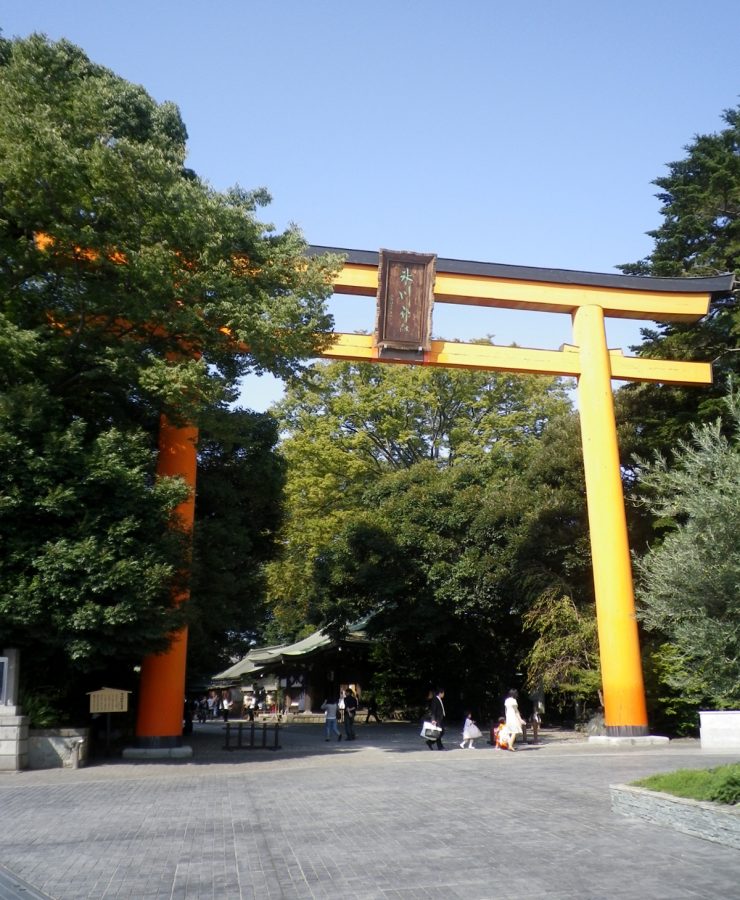
Photo: 三人日, CC BY-SA 4.0
- Type
- Shinto Shrine
- Religion
- Shinto
- Founded
- 541 (traditional date; main hall 1849)
- Entry
- Free
- Dress code
- No dress code; modest clothes are appreciated at the main hall.
- Tickets
- 1 ticket or tour
- Website
- kawagoehikawa.jp
Kawagoe Hikawa Shrine tickets and tours: which one to book
There is nothing to buy in advance for Kawagoe Hikawa Shrine itself. The grounds are open to anyone without a ticket, you can pray at the main hall, buy charms and fortunes at the office, and leave whenever you like. The only cost is what you choose to spend on amulets, a votive plaque or a goshuin stamp in your book. Most independent visitors come by train. Kawagoe is roughly half an hour from Ikebukuro on the Tobu Tojo line, or a little longer on the Seibu line from Seibu-Shinjuku, and the shrine sits on the northern edge of the old town, about 15 minutes on foot beyond the merchant houses of the Kurazukuri street, or a short ride on the loop buses from Kawagoe station.
Many people walk from the clay-walled warehouses past the bell tower to the shrine and then back through Kashiya Yokocho, the old sweet-shop lane, so the shrine fits naturally into a half-day loop. The alternative is a private car day trip from Tokyo with an English-speaking driver, which pairs Kawagoe with sights further afield, sometimes as far as the Fuji area. It saves the train changes and is worth it for a family or a small group, but it leaves little time in Kawagoe itself; if the shrine and the old town are your main interest, the train is cheaper and far more relaxed.
Tickets and tours for Kawagoe Hikawa Shrine
Live dates and prices from GetYourGuide. Free cancellation on most tickets.
Visiting Kawagoe Hikawa Shrine: what to see and how to behave
The shrine claims a foundation in 541, in the reign of Emperor Kinmei, and from the fifteenth century, when the Ota clan built Kawagoe Castle, it was the guardian shrine of the castle town and was supported by the successive lords of the domain. What you see today is mostly nineteenth century. The main sanctuary is covered with dense, finely cut wood carvings paid for in 1849 by Matsudaira Naritsune, the lord of Kawagoe, and protected as a cultural property of Saitama Prefecture; walk round the fenced sanctuary to see the carved panels on the sides and back, which most people miss. You enter under a great wooden torii about 15 m high, one of the tallest wooden gates of its kind in Japan, with a name plaque written by the statesman Katsu Kaishu.
The five deities enshrined here are a family, Susanoo, his wife Kushinadahime, their son and her parents, which is why the shrine is visited above all by couples and by people hoping to find a partner. Expect wedding parties in white kimono at weekends, a tunnel of wooden ema plaques hung by people praying for love, and fortunes that you fish out of a tub with a little rod, each tucked inside a paper sea bream. Behind the halls a path leads down to the Shingashi River, lined with cherry trees and decorated with carp streamers in spring. The usual shrine manners apply: bow at the torii, walk at the side of the approach rather than in the middle, rinse your hands and mouth at the water basin, then bow twice, clap twice and bow once at the offering box. Photography is fine in the grounds but not of the inner sanctuary or of wedding parties without asking.
Kawagoe Hikawa Shrine: opening hours, ceremonies and the best time to go
The grounds are open from early morning to evening and the shrine office keeps daytime hours; check the official site for the current times before you go, especially if you want a stamp or a blessing. The best months are July to early September, when the shrine hangs thousands of glass wind chimes along a corridor and over the grounds, each with a written wish, and lights them up after dark. The main annual festival falls on 14 October and is followed on the third weekend of October by the Kawagoe Festival, when tall decorated floats are pulled through the old town;
the festival is listed by UNESCO as intangible heritage and draws very large crowds. A special service for finding a good match is held at 8.08 am on the 8th of each month. Late March and early April bring cherry blossom on the river, and New Year brings long queues. Allow 45 minutes for the shrine and a full half day with the old town, Kita-in temple and the sweet-shop lane. Come before 10 am on weekends to avoid the crowds.
More tours and activities in Kawagoe
Before you go
Can I book a temple tour or ticket in Kawagoe Hikawa Shrine online?
Yes. GetYourGuide lists one ticket or tour for Kawagoe Hikawa Shrine, with live dates and prices and free cancellation on most of them.
When is Kawagoe Hikawa Shrine open?
The grounds are open to anyone without a ticket, you can pray at the main hall, buy charms and fortunes at the office, and leave whenever you like.
How many days do you need in Kawagoe Hikawa Shrine?
Allow 45 minutes for the shrine and a full half day with the old town, Kita-in temple and the sweet-shop lane.
When is the best time to visit Kawagoe Hikawa Shrine?
The best months are July to early September, when the shrine hangs thousands of glass wind chimes along a corridor and over the grounds, each with a written wish, and lights them up after dark.
How much is the entrance fee for Kawagoe Hikawa Shrine?
Entry to Kawagoe Hikawa Shrine: Free
What should I wear to visit Kawagoe Hikawa Shrine?
No dress code; modest clothes are appreciated at the main hall.
When was Kawagoe Hikawa Shrine founded?
Kawagoe Hikawa Shrine was established in 541.
Where is Kawagoe Hikawa Shrine?
Kawagoe Hikawa Shrine is in Kawagoe, Japan. The map on this page shows the exact spot.
How to visit a Shinto shrine: torii, water and prayer — How to pass the torii, purify at the water basin, pray, take photos and buy charms at a Shinto shrine in Japan.