Shinto Shrine · Kamakura · Japan
Kamakura-gu Shrine
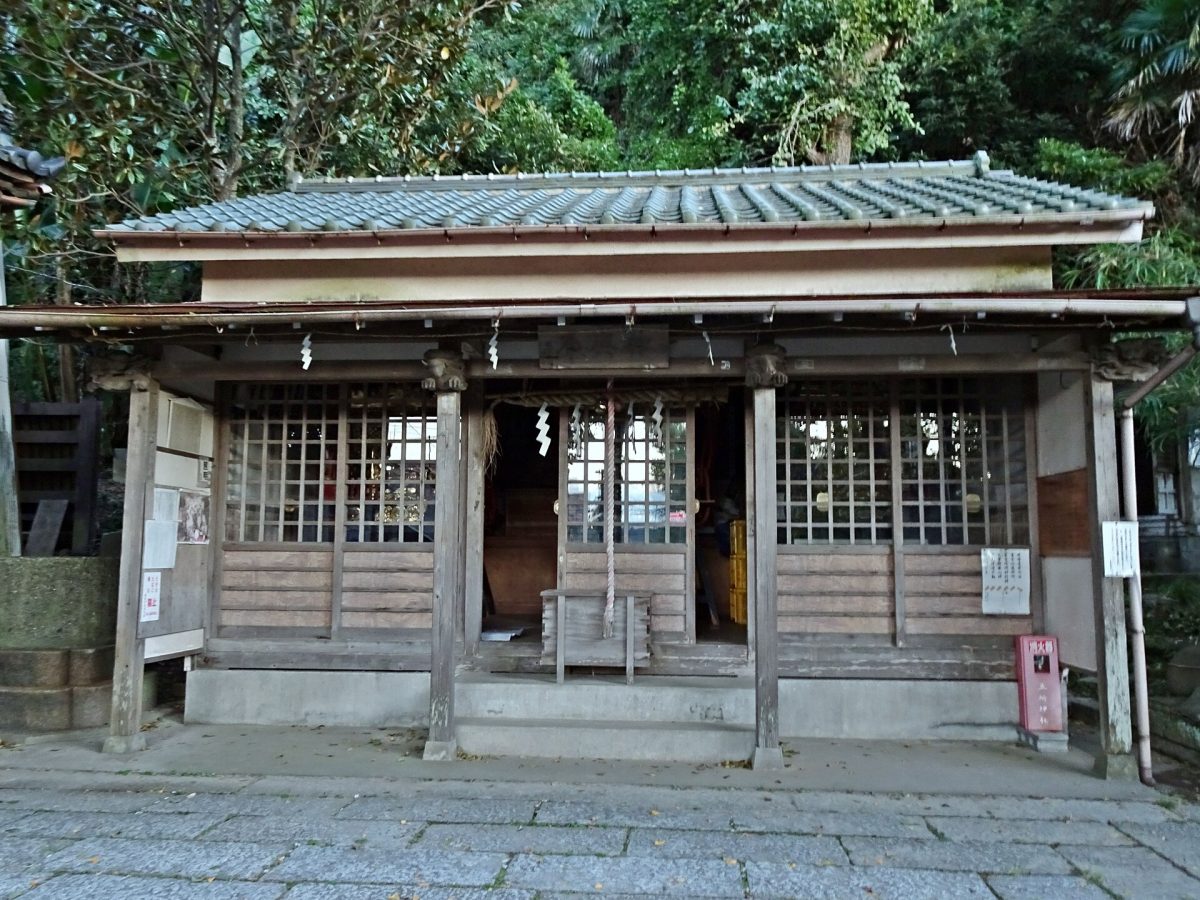
Photo: ブルーノ・プラス, CC BY 4.0
- Type
- Shinto Shrine
- Religion
- Shinto
- Founded
- 1869
- Entry
- Free; small fee for the cave
- Dress code
- No dress code.
- Tickets
- 4 tickets and tours
Kamakura-gu Shrine tickets and tours: which one to book
Kamakura-gu is a Shinto shrine with free access to its grounds, so there is nothing to book in order to visit; a small fee is charged only for entry to the rear area with the treasure hall and the cave where the enshrined prince was imprisoned, payable at a booth inside. Shrine stamps, amulets and the misfortune-dispelling clay dishes are also paid for on the spot. Online, the shrine appears as one stop on the many walking tours of Kamakura that start from the station or from Tokyo. Some are built around collecting goshuin, the calligraphy stamps that shrines and temples write into a pilgrim's book, and visit several sanctuaries in the hills of the eastern side of town.
Others cover the highlights in a day, with the Great Buddha at Kotoku-in, Tsurugaoka Hachimangu and a ride on the little Enoden coastal railway, sometimes continuing to Enoshima. There are also Zen-themed walks that include meditation at one of the great temples. Tours usually include the guide and sometimes the train fares from Tokyo; temple and shrine fees are mostly extra. Getting there alone is simple. Take the train from Tokyo to Kamakura, about one hour on the JR Yokosuka line, then walk about 25 minutes past Tsurugaoka Hachimangu or take a short local bus ride.
4 tickets and tours for Kamakura-gu Shrine
Live dates and prices from GetYourGuide. Free cancellation on most tickets.
Visiting Kamakura-gu Shrine: what to see and how to behave
Kamakura-gu stands in the quiet Nikaido district on the eastern side of Kamakura, at the foot of wooded hills. Unlike most of the town's shrines and temples, which go back to the age of the shoguns, it is young: it was founded in 1869 by the Emperor Meiji in memory of Prince Morinaga, a son of Emperor Go-Daigo who fought to restore imperial rule in the 14th century, was captured, held prisoner in a cave on this site and killed in 1335. The shrine was part of the effort of the new Meiji state to honour those who had been loyal to the throne. The layout is compact. A torii and an avenue of trees lead to a gate and the main hall, built in a simple, dignified style with a curving roof.
The thing most visitors look for is behind it: a small cave cut into the hillside, said to be the prison where the prince spent his last months, which you can reach through the paid rear area along with a small treasure hall. Look also for the large lion-head mask, a protective charm specific to the shrine, and for the stone where people throw small unglazed clay dishes to break away bad luck after blowing their troubles onto them. Etiquette is the usual for a Shinto shrine: rinse your hands and mouth at the water basin, bow at the torii, and at the main hall toss a coin, bow twice, clap twice and bow once more. Walking in the middle of the approach is traditionally left to the deity. Photography of the grounds is fine, but not of ceremonies inside the halls. From Kamakura station, the shrine is about 2 km north-east, past Tsurugaoka Hachimangu.
Kamakura-gu Shrine: opening hours, ceremonies and the best time to go
The grounds can be visited from morning until late afternoon; the paid rear area and the shrine office close earlier than the grounds, so check the current hours locally. Kamakura is a popular day trip from Tokyo, and the station area and the main approach to Tsurugaoka Hachimangu fill up by late morning, especially on weekends. Kamakura-gu, a little out of the centre, is far calmer, but the best plan is still to arrive in the morning and walk on to the temples of the eastern hills before the crowds. Spring brings plum and cherry blossom, June the hydrangeas for which Kamakura is famous, and late November to early December the autumn colour in the hill valleys.
The first days of January bring crowds for the New Year prayers. In early October, the shrine hosts the Kamakura Takigi Noh, performances of classical Noh theatre by torchlight in the grounds, a rare chance to see the art in an outdoor setting; tickets sell out early. Allow 30 to 45 minutes, and combine the shrine with Tsurugaoka Hachimangu, the bamboo garden of Hokokuji and the Zen temple of Zuisenji nearby.
More tours and activities in Kamakura
Before you go
Can I book a temple tour or ticket in Kamakura-gu Shrine online?
Yes. GetYourGuide lists 4 tickets and tours for Kamakura-gu Shrine, with live dates and prices and free cancellation on most of them.
How many days do you need in Kamakura-gu Shrine?
Allow 30 to 45 minutes, and combine the shrine with Tsurugaoka Hachimangu, the bamboo garden of Hokokuji and the Zen temple of Zuisenji nearby.
How much is the entrance fee for Kamakura-gu Shrine?
Entry to Kamakura-gu Shrine: Free; small fee for the cave
What should I wear to visit Kamakura-gu Shrine?
No dress code.
When was Kamakura-gu Shrine founded?
Kamakura-gu Shrine was established in 1869.
Where is Kamakura-gu Shrine?
Kamakura-gu Shrine is in Kamakura, Japan. The map on this page shows the exact spot.
How to visit a Shinto shrine: torii, water and prayer — How to pass the torii, purify at the water basin, pray, take photos and buy charms at a Shinto shrine in Japan.