Shinto Shrine · Ise · Japan
Ise Grand Shrine
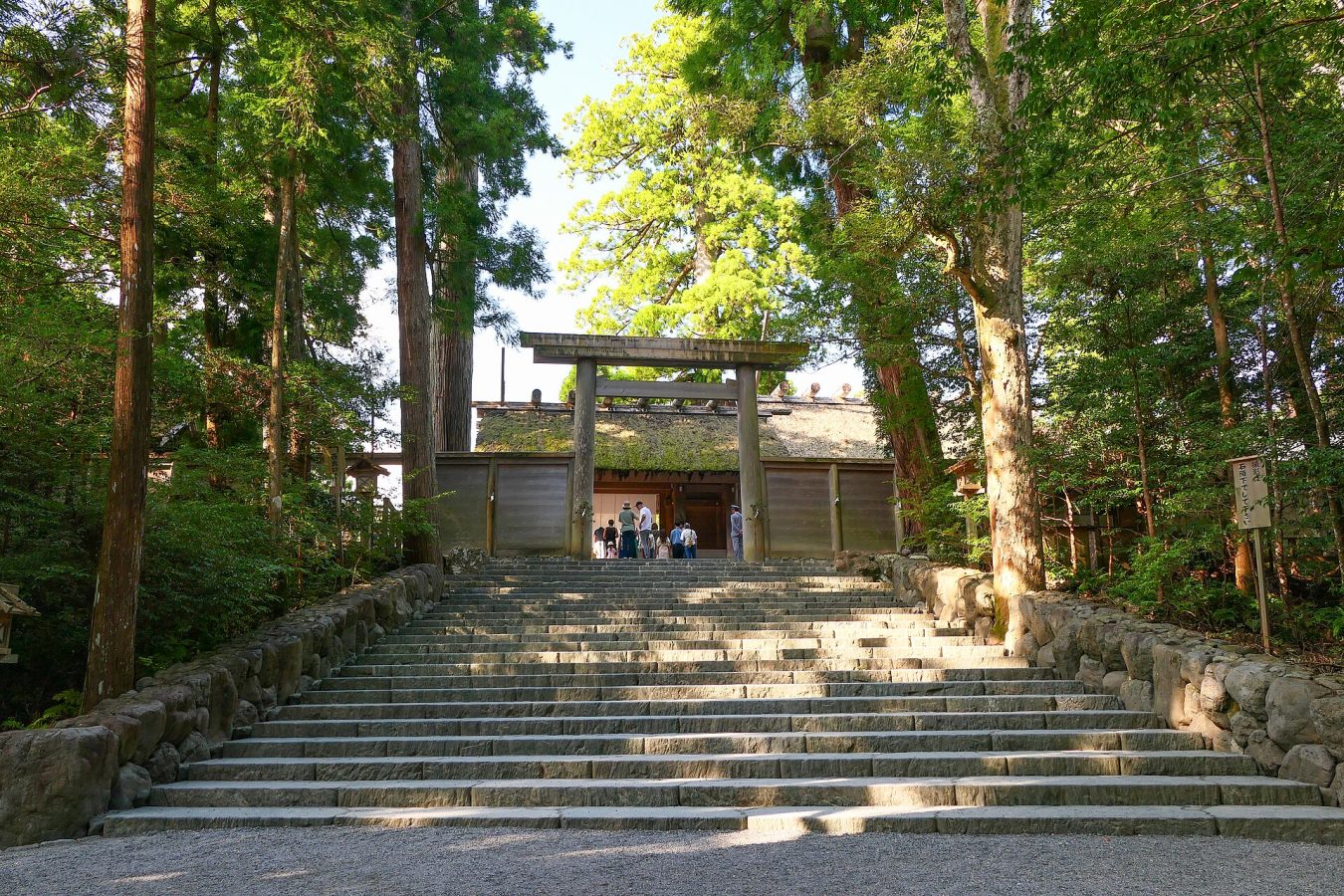
- Type
- Shinto Shrine
- Religion
- Shinto
- Founded
- 4 BC (traditionally 4 BC; rebuilt every 20 years, latest 2013)
- Entry
- Free
- Dress code
- No strict code, but neat clothes; remove hats before the main sanctuaries.
- Tickets
- 4 tickets and tours
- Website
- isejingu.or.jp
Ise Grand Shrine tickets and tours: which one to book
Ise Jingu charges no entrance fee and sells no tickets: both main shrines and their forests are open to everyone during daylight, and the only costs are for amulets, prayer requests and the small museum. So what you book online is not admission but a way of making sense of the place and of getting there. The options are mostly private. There are full-day tours with a licensed guide who meets you in Ise and leads you through the Outer and Inner Shrines, explaining the rituals, the architecture and the twenty-year cycle of rebuilding, often with lunch in the old pilgrim street.
Longer private trips start in Osaka or Kyoto and add Mikimoto Pearl Island in Toba, where the cultured pearl was developed. Some combine the shrine with the culture of the ama, the women free-divers of the Shima coast, including a meal of seafood grilled in a divers' hut. Shorter private walking tours focus on the Inner Shrine and the pilgrim town at its gate. Transport between the shrines is usually included; train fares from the big cities usually are not. Visiting on your own is easy: Kintetsu trains run from Nagoya in about 90 minutes and from Osaka or Kyoto in about two hours, and local buses link the stations with both shrines.
4 tickets and tours for Ise Grand Shrine
Live dates and prices from GetYourGuide. Free cancellation on most tickets.
Visiting Ise Grand Shrine: what to see and how to behave
Ise is the most sacred place in Shinto, a vast complex of shrines in the forested hills around the town, centred on two main sanctuaries about 6 km apart. The Inner Shrine, Naiku, is dedicated to the sun goddess Amaterasu, ancestral deity of the imperial family, and is said to hold the sacred mirror, one of the three imperial regalia. The Outer Shrine, Geku, honours Toyouke, goddess of food and harvest. Tradition dates the founding of Naiku to about 2,000 years ago. Pilgrims traditionally visit Geku first. It lies a short walk from Iseshi station, among tall cedars. Then take the bus to Naiku, where you cross the wooden Uji Bridge over the Isuzu river and follow a broad gravel path through the forest.
Many visitors stop at the river bank to rinse their hands in the clear water, as pilgrims have done for centuries. At the heart of each shrine, the main sanctuary sits behind four rows of wooden fences, and the public may go no further than the outer gate. What you see is a glimpse of thatched roofs and plain unpainted cypress, built in the ancient shinmei style with no nails. Beside it lies an empty plot of the same size: every 20 years the shrines are rebuilt on the alternate site and the deities moved in a night ceremony, the shikinen sengu, last held in 2013 and next due in 2033. Photography is not allowed on the steps of the main sanctuaries; take off your hat, bow and keep voices low. Walk on the left at Geku and on the right at Naiku, as signs show. Outside Naiku, the old pilgrim streets of Oharai-machi and Okage Yokocho are lined with traditional houses selling food and souvenirs.
Ise Grand Shrine: opening hours, ceremonies and the best time to go
The shrines open at 5 am all year and close between 5 pm and 7 pm depending on the season; check the official site for the current hours. Early morning is the finest time. Before 8 am the forest paths are quiet, the light slants through the cedars and priests carry out the morning offerings. By late morning tour coaches arrive, and weekends and national holidays bring long queues at the main sanctuaries. Spring and autumn are the most pleasant seasons, with autumn colour along the Isuzu river in late November.
New Year is the busiest moment of the year, when millions of people come for the first prayers, and the area is extremely crowded in the first days of January. Major festivals take place in June, October and December; the Kannamesai harvest festival in mid-October is the most important. The main sanctuaries are not closed to the public, but access can be restricted during ceremonies. Allow half a day for both shrines, with lunch in Okage Yokocho. Combine the visit with Toba and Mikimoto Pearl Island, or with the wedded rocks at Futami on the coast.
More tours and activities in Ise
Before you go
Can I book a temple tour or ticket in Ise Grand Shrine online?
Yes. GetYourGuide lists 4 tickets and tours for Ise Grand Shrine, with live dates and prices and free cancellation on most of them.
How much is the entrance fee for Ise Grand Shrine?
Entry to Ise Grand Shrine: Free
When is Ise Grand Shrine open?
Ise Jingu charges no entrance fee and sells no tickets: both main shrines and their forests are open to everyone during daylight, and the only costs are for amulets, prayer requests and the small museum.
How many days do you need in Ise Grand Shrine?
Allow half a day for both shrines, with lunch in Okage Yokocho.
Can I take photos inside Ise Grand Shrine?
Photography is not allowed on the steps of the main sanctuaries; take off your hat, bow and keep voices low.
What should I wear to visit Ise Grand Shrine?
No strict code, but neat clothes; remove hats before the main sanctuaries.
When was Ise Grand Shrine founded?
Ise Grand Shrine was established in 4 BC.
Where is Ise Grand Shrine?
Ise Grand Shrine is in Ise, Japan. The map on this page shows the exact spot.
How to visit a Shinto shrine: torii, water and prayer — How to pass the torii, purify at the water basin, pray, take photos and buy charms at a Shinto shrine in Japan.