
Zawiya of Sidi Sahib (Mosque of the Barber)
Kairouan, Tunisia
No ticket for the Zawiya of Sidi Sahib alone is sold online.
No online ticket
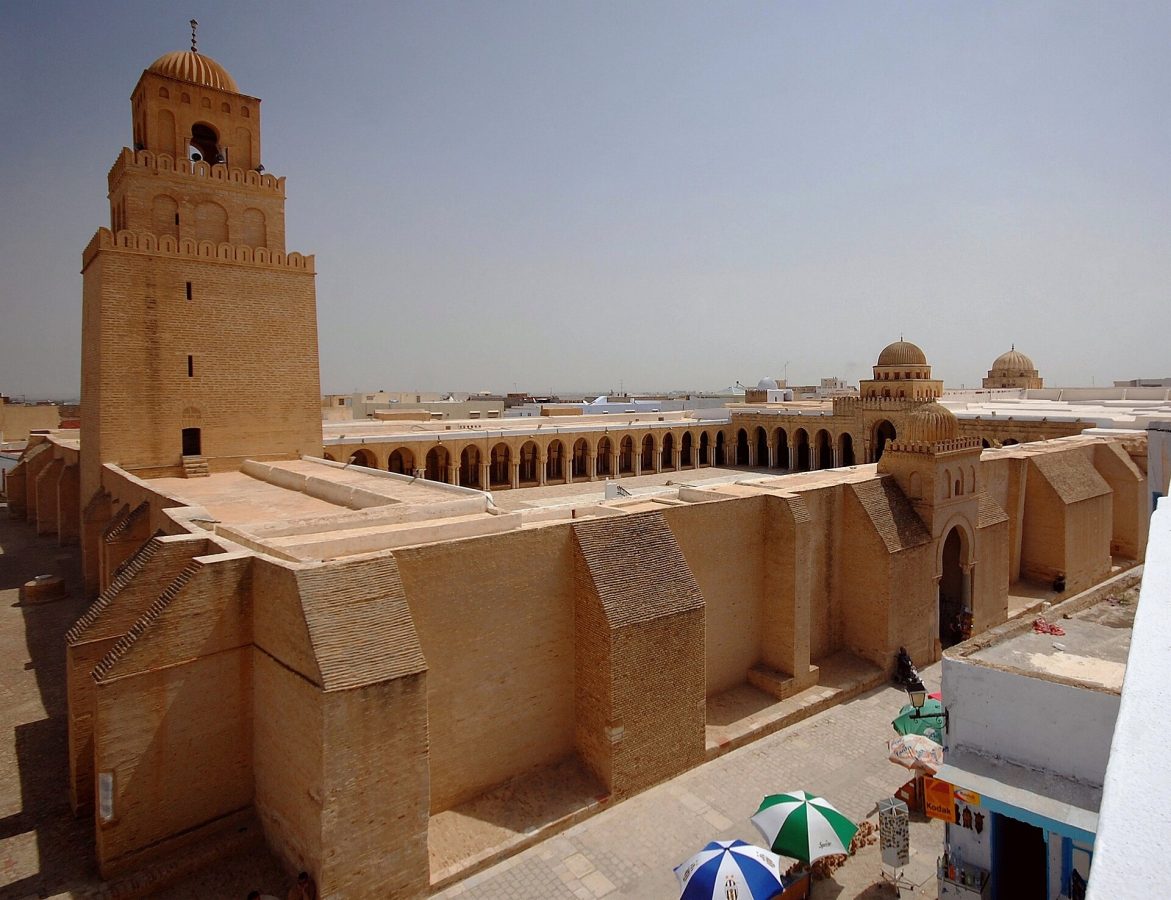
Photo: weetoon66, CC BY-SA 2.0
Entry to the mosque is covered by the combined ticket for the monuments of Kairouan, which is sold at the tourist office near the medina and at the mosque gate and also includes sites such as the Aghlabid Basins and the Mausoleum of Sidi Sahab. There is no online ticket for the mosque alone, and no need for one. What is sold online are guided tours, mostly as day trips from the coastal resorts of Sousse, Monastir and Hammamet, about an hour to an hour and a half away by road. The most common combine Kairouan with the Roman amphitheatre of El Jem in a long day;
others are half-day cultural walks through the medina with a local guide, sometimes with a tasting of the city's date-filled makroudh pastries, or a visit to a family home for tea and a meal. Transport from the hotel and the guide are normally included; the combined monument ticket, lunch and tips may or may not be, so read the details. A guide is genuinely useful here, as the medina is easy to get lost in and the mosque has almost no explanatory signs. Independent travellers can reach Kairouan by louage, the shared minibus, from Sousse or Tunis and walk around the old town on their own.
Live dates and prices from GetYourGuide. Free cancellation on most tickets.
Founded in 670 by the Arab general Uqba ibn Nafi when he established Kairouan, the mosque is one of the oldest in the Islamic world and served as the model for later mosques across North Africa. It was destroyed and rebuilt several times; the building seen today owes its shape chiefly to the Aghlabid rulers of the 9th century. The town's medina, of which it is the spiritual centre, is a UNESCO World Heritage Site. From outside the mosque looks like a fortress, with massive buttressed walls. Inside, a vast courtyard paved in marble slopes gently towards a central drain that once fed underground cisterns; look for the carved well-heads, worn by centuries of ropes, and the sundial.
The square minaret, three stepped tiers rising above the north side, is among the oldest standing minarets in the world. On the far side, the prayer hall is a forest of more than 400 columns of marble and porphyry, many of them taken from Roman and Byzantine buildings, with horseshoe arches above them. Non-Muslims may walk round the courtyard and look into the prayer hall through its open doors, but may not enter. From the doorway you can glimpse the mihrab, faced with 9th-century lustre tiles imported from Baghdad, and the carved wooden minbar beside it, one of the oldest preserved pulpits in the Islamic world. Dress modestly, speak quietly and do not photograph people at prayer. The mosque stands in the north-east corner of the medina, a short walk inside the walls from the Bab Tunis gate.
The mosque is open to visitors in the morning and early afternoon, roughly from 8 am to 2 pm, and closes to non-Muslims during prayer times. On Fridays it shuts to visitors before the midday prayer, so plan for a morning visit or another day. Hours change in Ramadan, when access may be reduced; check locally. Come at opening, before the day trips from the coast arrive around mid-morning and while the marble of the courtyard is still cool. Spring, from March to May, and autumn, from October to November, are the best seasons;
summer temperatures in the interior often exceed 40 degrees and the courtyard becomes a mirror of heat. The Mouled, the birthday of the Prophet, is celebrated in Kairouan more than anywhere else in Tunisia, with pilgrims filling the town and the mosque; it is atmospheric but crowded and visiting hours may be curtailed. Allow about an hour for the mosque and half a day for the medina, the Aghlabid Basins, the Mausoleum of Sidi Sahab and the carpet shops, or a full day if you add El Jem.
Yes. GetYourGuide lists 3 tickets and tours for Great Mosque of Kairouan, with live dates and prices and free cancellation on most of them.
The mosque is open to visitors in the morning and early afternoon, roughly from 8 am to 2 pm, and closes to non-Muslims during prayer times.
Allow about an hour for the mosque and half a day for the medina, the Aghlabid Basins, the Mausoleum of Sidi Sahab and the carpet shops, or a full day if you add El Jem.
Entry to Great Mosque of Kairouan: Covered by the Kairouan combined ticket
Arms and legs covered; non-Muslims may enter the courtyard but not the prayer hall.
Great Mosque of Kairouan was established in 670.
Great Mosque of Kairouan is in Kairouan, Tunisia. The map on this page shows the exact spot.
How to visit a mosque: dress, timing and manners — What to wear, when to go and how to behave in a mosque as a non-Muslim, and which mosques do not admit visitors at all.
Kairouan, Tunisia
No ticket for the Zawiya of Sidi Sahib alone is sold online.
No online ticket