Uganda National Mosque (Gaddafi Mosque)
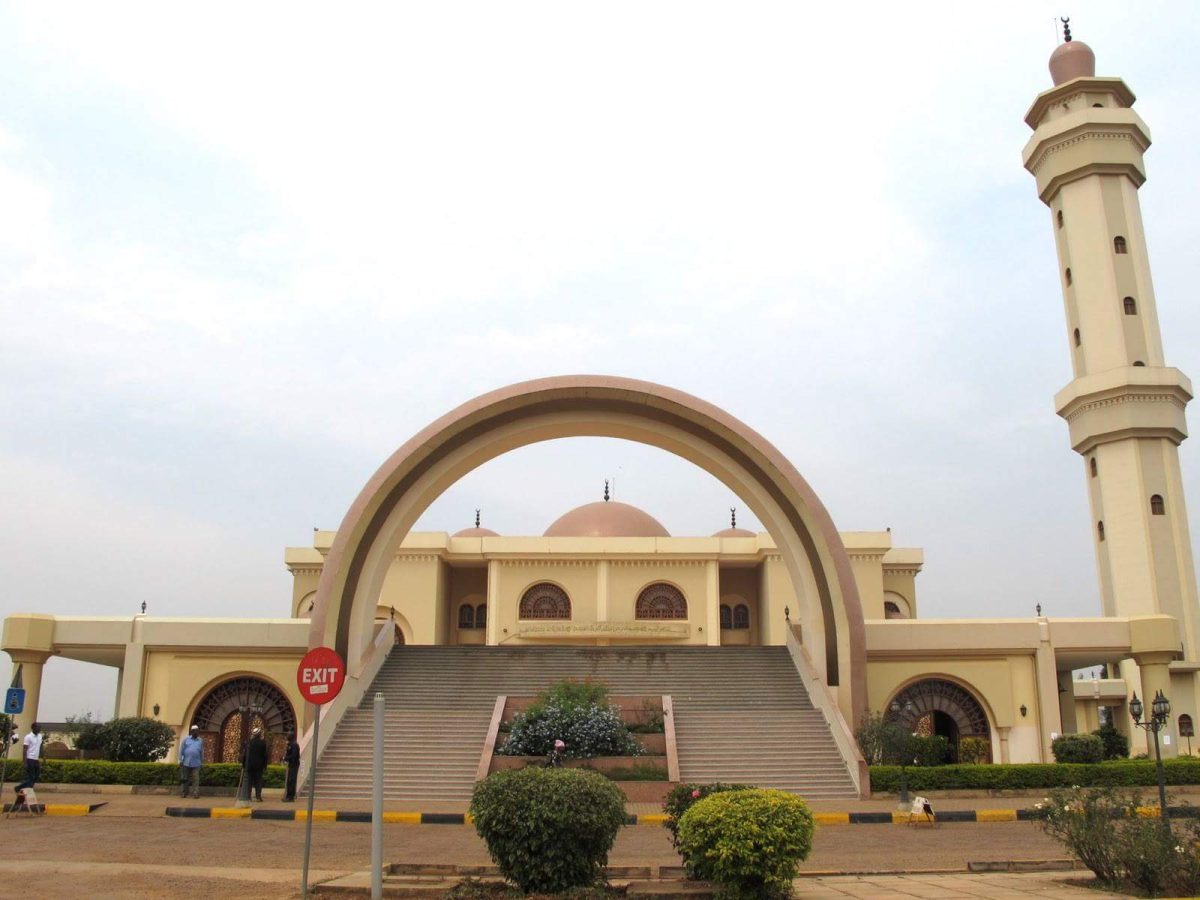
Photo: Vincentmindless, CC BY-SA 4.0
- Type
- Mosque
- Religion
- Sunni Islam
- Founded
- 1972 (begun 1972, completed 2006)
- Height
- 51 m
- Entry
- Small fee; guided tour included
- Dress code
- Long, loose clothing; women cover their hair, and wraps and scarves are lent at the entrance.
- Tickets
- 2 tickets and tours
Uganda National Mosque (Gaddafi Mosque) tickets and tours: which one to book
Visitors can simply turn up at the Uganda National Mosque. Non-Muslim visitors pay a modest fee at the visitor office, which covers a guided tour by one of the mosque's own guides, the loan of a wrap or headscarf and, usually, the climb up the minaret. There is no online ticket for the mosque on its own, and none is needed. What travel sites sell are walking tours of Kampala that make the mosque one of their stops. The daytime versions start in the city centre or Old Kampala and combine the mosque with markets, the taxi park, religious buildings on the other hills and stories of the city's history;
an English-speaking local guide is included, and the mosque fee may or may not be part of the price, so check. Evening walks are timed to finish on the minaret at sunset, when the view over the seven hills is at its best, and sometimes end with street food. A walking tour is worthwhile if you are new to Kampala, since the traffic and the steep lanes of the old town are confusing at first and a guide adds context the short mosque tour does not. If you only want the mosque, a boda-boda motorcycle taxi or a ride-hailing car from your hotel to the gate on Old Kampala Hill is quick and cheap, and the mosque guide will take care of the rest.
2 tickets and tours for Uganda National Mosque (Gaddafi Mosque)
Live dates and prices from GetYourGuide. Free cancellation on most tickets.
Visiting Uganda National Mosque (Gaddafi Mosque): what to see and how to behave
The mosque crowns Old Kampala Hill, one of the original hills of the city and the place where the British agent Frederick Lugard set up his fort in 1890. Construction began in 1972 under Idi Amin, stopped during the political turmoil of the late 1970s, and was finally finished in 2006 with funding from the Libyan leader Muammar Gaddafi, whose name it carried until it was renamed in 2013. It is the seat of the Uganda Muslim Supreme Council and the largest mosque in East Africa, with room for around 15,000 worshippers in the prayer hall and thousands more in the courtyard and gallery. The tour normally begins in the paved courtyard and continues into the great prayer hall, with its central dome, rows of arched windows and huge carpeted floor;
the guide points out the materials and craftsmanship donated from different Muslim countries and explains the basics of Islamic worship. The highlight for most people is the minaret, about 50 m tall, reached by 272 narrow steps. From the top the whole of Kampala spreads out around you: the cathedrals on Namirembe and Rubaga hills, the Bahai temple, the modern towers of the centre and, on a clear day, Lake Victoria. Etiquette is straightforward. Remove your shoes before entering the prayer hall, wear the wrap provided if your legs or arms are bare, and keep voices down. Photography is allowed during the tour, but do not photograph people praying. The climb is steep and dim, so take care and avoid it if you dislike enclosed spaces.
Uganda National Mosque (Gaddafi Mosque): opening hours, ceremonies and the best time to go
The mosque welcomes visitors most days from morning until early evening, but tours pause during the five daily prayers, and the midday Friday prayer, when the hall is full, is best avoided. Ask at the visitor office about the next tour time when you arrive. Late afternoon is the finest moment, when the heat has eased and the low sun lights up the hills from the minaret; morning is quieter and better for photographs of the courtyard.
Kampala sits close to the equator and is warm all year, with rainy seasons roughly from March to May and from October to November, when heavy downpours can make the minaret climb slippery. During Ramadan, visiting hours are reduced and the evening is given over to prayers and breaking the fast, while the two Eid festivals bring huge congregations and no tours. Allow about an hour for the tour and minaret. Combine it with the Kasubi royal tombs, the cathedrals on Namirembe and Rubaga, or the markets around Owino and the old taxi park.
More tours and activities in Kampala
Before you go
Can I book a temple tour or ticket in Uganda National Mosque (Gaddafi Mosque) online?
Yes. GetYourGuide lists 2 tickets and tours for Uganda National Mosque (Gaddafi Mosque), with live dates and prices and free cancellation on most of them.
How many days do you need in Uganda National Mosque (Gaddafi Mosque)?
Allow about an hour for the tour and minaret.
What should I wear to visit Uganda National Mosque (Gaddafi Mosque)?
Long, loose clothing; women cover their hair, and wraps and scarves are lent at the entrance.
Can I take photos inside Uganda National Mosque (Gaddafi Mosque)?
Photography is allowed during the tour, but do not photograph people praying.
How much is the entrance fee for Uganda National Mosque (Gaddafi Mosque)?
Entry to Uganda National Mosque (Gaddafi Mosque): Small fee; guided tour included
When was Uganda National Mosque (Gaddafi Mosque) founded?
Uganda National Mosque (Gaddafi Mosque) was established in 1972.
Where is Uganda National Mosque (Gaddafi Mosque)?
Uganda National Mosque (Gaddafi Mosque) is in Kampala, Uganda. The map on this page shows the exact spot.
How to visit a mosque: dress, timing and manners — What to wear, when to go and how to behave in a mosque as a non-Muslim, and which mosques do not admit visitors at all.