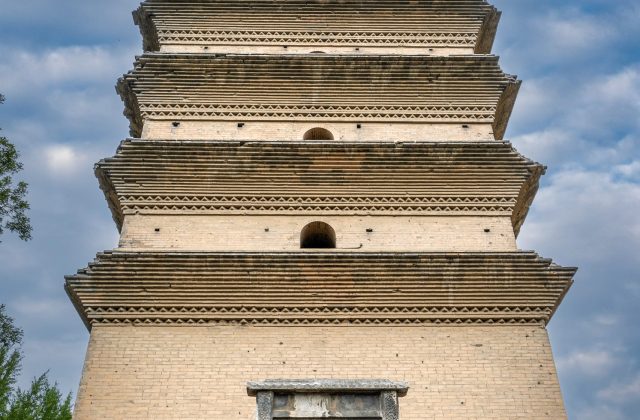
Great Mosque of Xi’an
Xi'an, China
Entry to the Great Mosque of Xi'an is paid at the gate in Huajue Lane, and no advance booking is needed for the…
1 ticket or tour
Buddhist Temple · Xi'an · China
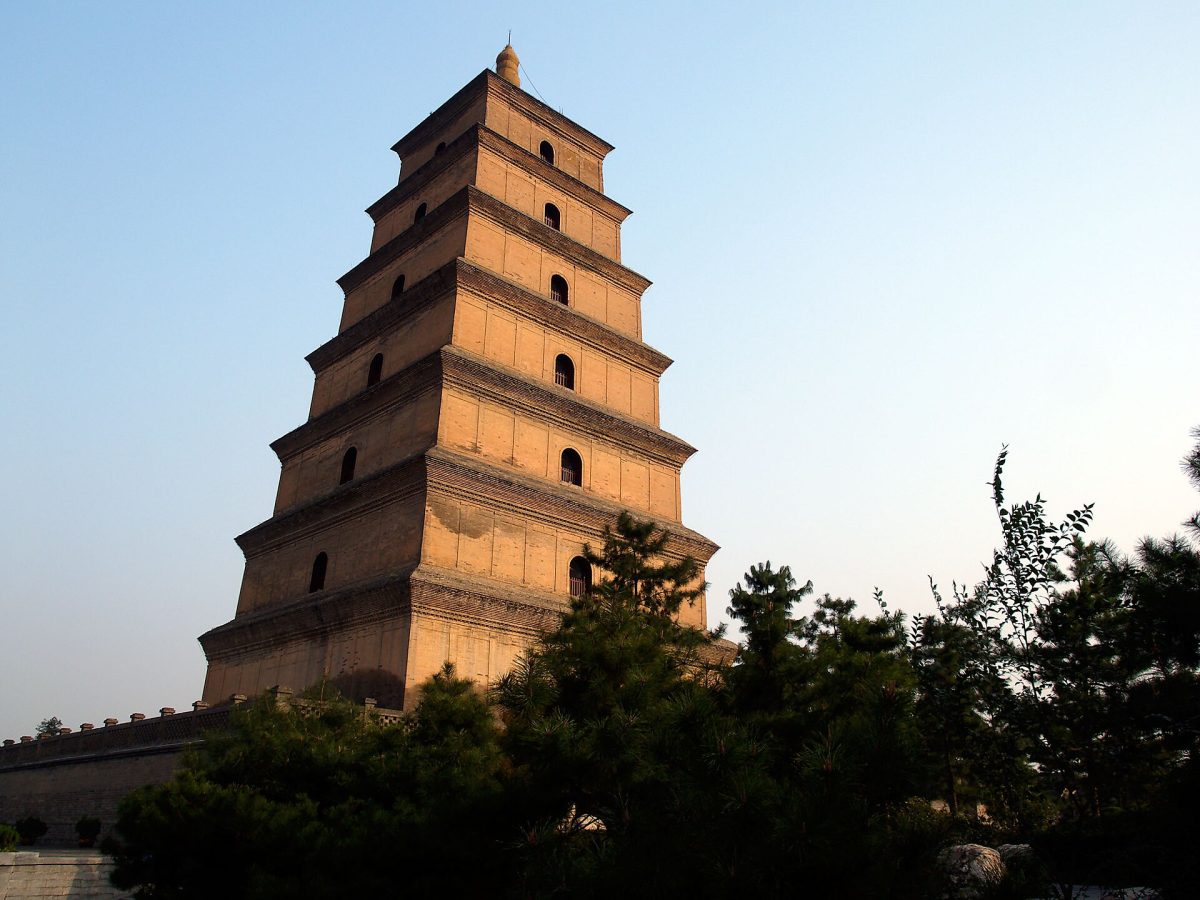
Photo: Alex Kwok, CC BY-SA 3.0
The pagoda stands inside the working Da Ci'en Temple, and the basic product is simply admission to the temple grounds, sold online and at the gate; climbing the tower itself requires a second, small supplementary ticket bought inside. Online versions of the entry ticket sometimes add a digital map, a photo package or an incense offering at the main hall, which is a pleasant way to take part in temple life but not essential. The large squares and fountain gardens around the temple are free. Guided options fall into a few clear types. A small-group walking tour covers the temple, the pagoda and the surrounding Tang-themed boulevards with a local guide.
Day tours combine the pagoda with the Terracotta Army and often the city wall, and include a car or minibus, lunch and a guide, with tickets sometimes extra. Shorter combinations are designed for transit passengers with a few hours in Xi'an between flights, and there is an evening food walk linking the pagoda district with the city wall. A popular add-on is dressing up in hired Tang-style hanfu for photographs in the temple gardens, which several operators bundle with the visit. If your time is short, a ticket bought on the day and an hour on your own will cover the essentials; a guide mainly adds the story of Xuanzang and the reading of the inscriptions.
Live dates and prices from GetYourGuide. Free cancellation on most tickets.
The pagoda was built in 652 to house the Sanskrit scriptures that the monk Xuanzang carried back from his journey to India, and his translation workshop in the temple made it a centre of Chinese Buddhism. The original five-storey tower, brick over an earth core, soon decayed and was rebuilt in the early 8th century with seven storeys; the present brick casing is largely the result of Ming-dynasty repairs. Today it rises about 64 m, leans very slightly to the west, and forms part of the Silk Roads World Heritage Site. Inside the temple gate you pass the bell and drum towers, the Mahavira Hall with its gilded Buddhas and a hall telling Xuanzang's life in carved panels.
Beside the south doorway of the pagoda are two stone stelae with texts by the Tang emperors Taizong and Gaozong in the calligraphy of Chu Suiliang, among the most admired inscriptions in China. Climbing the narrow wooden stairs inside rewards you with small arched windows framing the city in four directions. A bronze statue of Xuanzang stands in the south square, and the north square holds a large musical fountain. Remove hats in the halls, do not photograph worshippers at prayer, and leave incense to those who have bought it inside the grounds. The temple lies about 4 km south of the old walled city; Dayanta metro station is a short walk from the north square.
The temple is open daily from early morning until late afternoon, with the last entry to the pagoda a little before closing. Go right at opening on a weekday, when monks are still chanting and the tower stairs are empty; by late morning tour groups fill the courtyards. Spring, from March to May, and autumn, from September to early November, bring the best weather; summer is hot and the winter air is often hazy. Avoid the first week of October and the Spring Festival holiday, when domestic visitors queue for hours.
The fountain show in the north square runs at fixed times, usually including an evening performance when the floodlit pagoda is at its most photogenic. Allow about two hours for the temple and the climb, longer if you stay for the fountains. Combine it with the nearby Shaanxi History Museum in the same morning, and with an evening walk along the Tang-themed avenue that runs south from the pagoda, or plan it after a day at the Terracotta Army.
Yes. GetYourGuide lists 12 tickets and tours for Giant Wild Goose Pagoda, with live dates and prices and free cancellation on most of them.
The temple is open daily from early morning until late afternoon, with the last entry to the pagoda a little before closing.
Allow about two hours for the temple and the climb, longer if you stay for the fountains.
Entry to Giant Wild Goose Pagoda: Temple ticket; pagoda climb extra
No strict dress code; modest clothing and a quiet manner in the temple halls.
Giant Wild Goose Pagoda was established in 652.
Giant Wild Goose Pagoda is in Xi'an, China. The map on this page shows the exact spot.
How to visit a Buddhist temple: shoes, dress and manners — Shoes, dress, feet, photos and offerings in Buddhist temples, from the wats of Thailand and Sri Lanka to the Zen temples of Japan.
Xi'an, China
Entry to the Great Mosque of Xi'an is paid at the gate in Huajue Lane, and no advance booking is needed for the…
1 ticket or tour
Xi'an, China
The Small Wild Goose Pagoda stands in the grounds of the Xi'an Museum, and entry to the whole site, pagoda gardens…
1 ticket or tour