Ancient Temple · Selinunte · Italy
Selinunte Archaeological Park
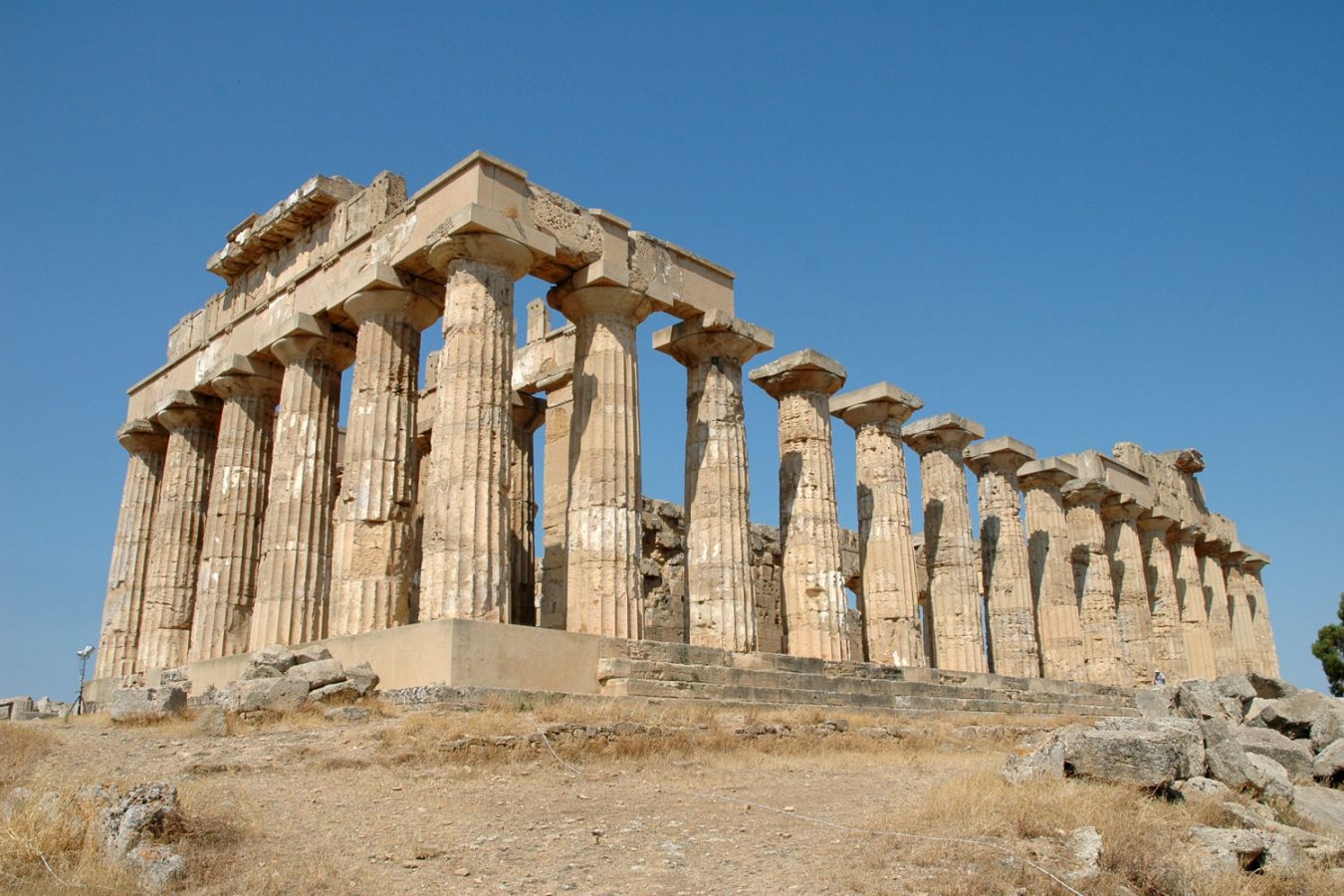
Photo: AdiJapan, CC BY 2.5
- Type
- Ancient Temple
- Religion
- Ancient Greek religion
- Founded
- 628 BC (Greek colony c. 628 BC; temples from c. 550 BC)
- Visitors
- 204 397 a year (2022)
- Dress code
- No dress code; a hat, sun cream and sturdy shoes for the uneven ground.
- Tickets
- 11 tickets and tours
- Website
- selinunte.gov.it
Selinunte Archaeological Park tickets and tours: which one to book
Selinunte is a large open-air archaeological park on the south-west coast of Sicily, and the essential purchase is a single entrance ticket, sold at the main gate near the visitor centre; it covers the eastern temples, the acropolis and the ancient city. The distances inside are considerable, so many visitors also pay for the electric shuttle carts that run between the main areas. A guide is not required, but a good one makes sense of the fallen columns and helps you plan the walking. The online offer splits into a few groups. Private guided walks of the park itself last two to three hours.
Full-day tours from Trapani or Palermo pair Selinunte with the temple and theatre of Segesta, or with the town of Mazara del Vallo and its Arab-influenced old quarter; they include transport and usually a guide, while entrance fees are often paid on the day. A car with a driver can also be booked from Sciacca along the coast. Because the ruins sit next to the seaside village of Marinella di Selinunte, the area also has products that have little to do with the temples: a boat trip along the coast with a swimming stop and lunch, a cooking class or a home-cooked meal with a local family, and quad-bike or ATV rides through the dunes at Triscina. They combine well with a morning in the park.
11 tickets and tours for Selinunte Archaeological Park
Live dates and prices from GetYourGuide. Free cancellation on most tickets.
Visiting Selinunte Archaeological Park: what to see and how to behave
Selinunte was founded in the 7th century BC by Greek settlers from Megara Hyblaea, in eastern Sicily, and became the westernmost Greek city on the island, rich enough to build a remarkable series of Doric temples. Carthage sacked the city in 409 BC, it was finally abandoned around 250 BC, and earthquakes later brought most of the temples down. Because the gods to whom they were dedicated are uncertain, archaeologists still label the temples with letters. From the entrance, the first stop is the eastern hill with three great temples side by side. Temple E, probably dedicated to Hera, was partly re-erected in the 1950s and is the most complete;
next to it lie the ruins of Temple F and the vast heap of Temple G, one of the largest temples of the Greek world, its column drums scattered like fallen trees. A path or shuttle then crosses the valley to the acropolis above the sea, with its street grid, fortifications and Temple C, whose row of columns was raised again in the 1920s. Further west, across the Modione river, lies the sanctuary of Demeter Malophoros. The finest carved metopes from the temples are in the archaeological museum in Palermo, so the visitor centre displays are modest. Shade is scarce, so carry water. The park lies near Marinella di Selinunte, about 15 km south of Castelvetrano, which has the nearest railway station.
Selinunte Archaeological Park: opening hours, ceremonies and the best time to go
The park opens in the morning every day and closes in the late afternoon or early evening depending on the season, usually earlier in winter; check the regional heritage website for the current hours. The ruins are fully exposed, so on hot days go at opening or in the last two hours before closing, when the stone turns golden and the temples look their best against the sea. Spring, from March to May, is the finest season, with wild flowers and wild celery, the plant that gave the city its name, growing among the ruins.
September and October are also pleasant and allow a swim afterwards. July and August are very hot and bring the most visitors, many combining the ruins with the beach. Allow at least three hours to see both the eastern temples and the acropolis without rushing, or half a day if you continue to the Malophoros sanctuary. Combine Selinunte with the ancient quarries at Cave di Cusa, where unfinished column drums still lie in the rock, or with Segesta on the same day.
More tours and activities in Selinunte
Before you go
Can I book a temple tour or ticket in Selinunte Archaeological Park online?
Yes. GetYourGuide lists 11 tickets and tours for Selinunte Archaeological Park, with live dates and prices and free cancellation on most of them.
How many days do you need in Selinunte Archaeological Park?
Allow at least three hours to see both the eastern temples and the acropolis without rushing, or half a day if you continue to the Malophoros sanctuary.
What should I wear to visit Selinunte Archaeological Park?
No dress code; a hat, sun cream and sturdy shoes for the uneven ground.
When was Selinunte Archaeological Park founded?
Selinunte Archaeological Park was established in 628 BC.
How many people visit Selinunte Archaeological Park?
Selinunte Archaeological Park receives about 204 397 a year (2022).
Where is Selinunte Archaeological Park?
Selinunte Archaeological Park is in Selinunte, Italy. The map on this page shows the exact spot.
How to visit an ancient temple: tickets, heat and rules — Tickets, hours, heat, guides, climbing rules and conservation at the ancient temples of Egypt, Greece, Italy, Angkor and the Maya world.