Sacred Site · Mount Abu · India
Dilwara Temples
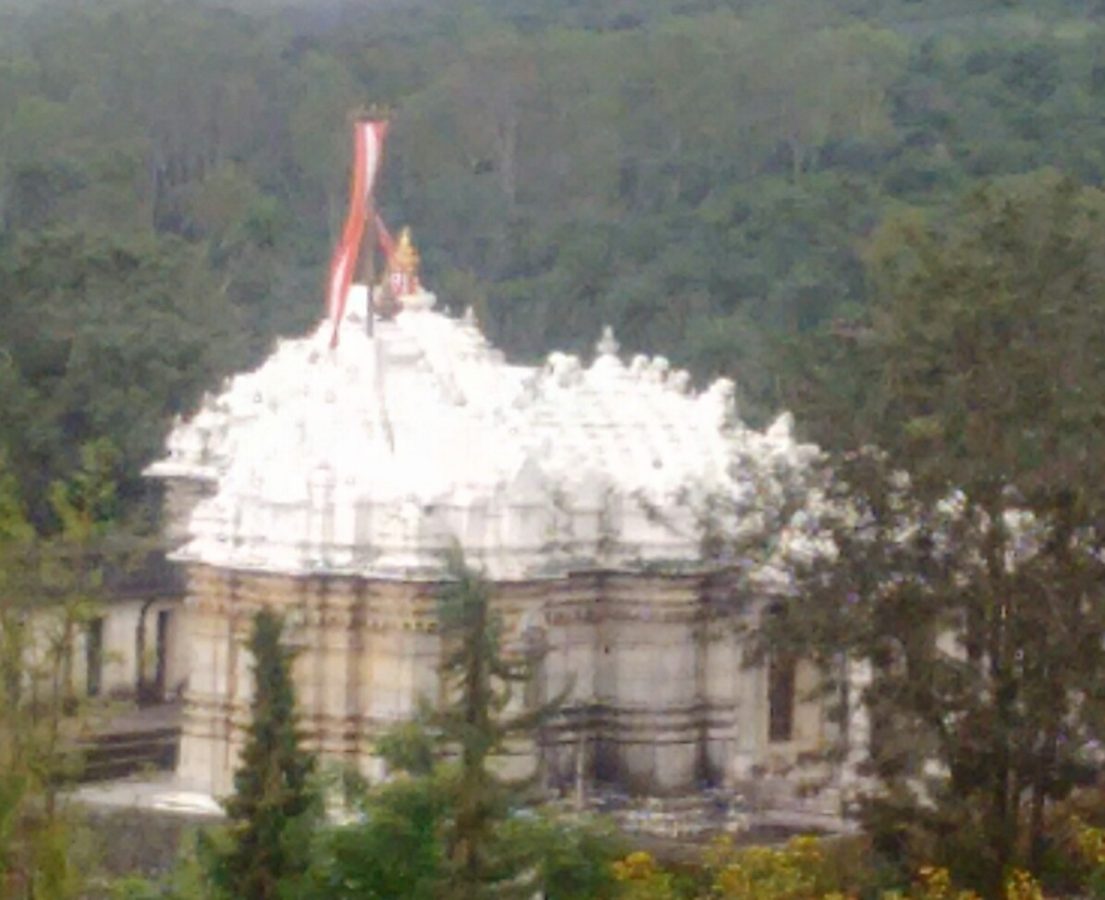
Photo: Pratyk321, CC BY-SA 4.0
- Type
- Sacred Site
- Religion
- Jainism
- Founded
- 1031 (Vimal Vasahi 1031; other temples to the 16th century)
- Entry
- Free
- Dress code
- Shoulders and knees covered; no leather items, shoes and phones left outside.
- Tickets
- 2 tickets and tours
Dilwara Temples tickets and tours: which one to book
There is nothing to book for the Dilwara Temples themselves. Entry is free, there is no online ticket, and visitors queue at the gate during the hours reserved for non-Jain visitors, when temple staff lead groups through the complex. Mobile phones, cameras and leather goods must be left at the cloakroom outside. What is sold online is transport from Udaipur, the usual base for visitors to Rajasthan's only hill station. Mount Abu lies about 165 km away, a drive of three and a half to four hours each way, so these are long full-day private trips with a car and driver. Some include a guide who accompanies you around Mount Abu; others only provide the vehicle.
Entry to the temples is free in any case, while meals, boat hire on Nakki Lake and tips are paid separately. Check that the itinerary reaches Dilwara during its afternoon opening hours, as a car that arrives in the morning will find the gate closed. A day trip suits those short of time, but the round journey is tiring. If you can, spend a night in Mount Abu: the temples are only 2.5 km from the town, shared jeeps and taxis run there constantly, and you can combine them with sunset at the lake and an early drive to Guru Shikhar. Visitors arriving by train get off at Abu Road, about 28 km below, and take a bus or taxi up the hill.
2 tickets and tours for Dilwara Temples
Live dates and prices from GetYourGuide. Free cancellation on most tickets.
Visiting Dilwara Temples: what to see and how to behave
The Dilwara Temples are a group of five Svetambara Jain temples enclosed by a single high wall in a forested valley just outside Mount Abu. From the outside they look modest, almost austere, which is deliberate: Jain teaching values restraint, and the richness is kept for the interiors. Step inside and you find halls, domes and pillars of white marble carved with a fineness that makes the stone look like lace. The oldest and most celebrated is the Vimal Vasahi, completed in 1031 for Vimal Shah, a minister of the Solanki rulers of Gujarat, and dedicated to the first tirthankara, Adinatha. Its great domed ceiling, with concentric rings of dancers and musicians around a hanging lotus pendant, is the high point of the visit.
The Luna Vasahi, built by 1230 by the brothers Vastupala and Tejapala and dedicated to Neminatha, is even more intricate, especially its central dome and the carved niches on either side of the sanctum. The remaining three, including the Pittalhar temple with its large metal image, were added between the fifteenth and sixteenth centuries. Around the main shrines runs a cloister of small cells, each housing a seated tirthankara. Rules are strictly enforced. Photography is forbidden throughout, food, leather belts and bags are not allowed, and visitors must be quietly dressed with shoulders and legs covered. Women are asked not to enter during menstruation, in keeping with Jain practice. Do not touch the images or walk into the inner sanctums, which are for worshippers. Shared jeeps and taxis run from Mount Abu bazaar to the gate.
Dilwara Temples: opening hours, ceremonies and the best time to go
In the morning the temples are reserved for Jain worship; non-Jain visitors are admitted from around midday until about 6 pm. Confirm the hours locally, as they occasionally change on festival days. Arrive close to opening, before the afternoon tour groups from Udaipur reach the hill, and expect a short wait at the gate on weekends. October to March is the most comfortable season, with mild days and cool nights at about 1,200 m.
Mount Abu is a refuge from the heat for Gujarati and Rajasthani families from April to June and during Diwali, so the town is crowded then. The monsoon, from July to September, turns the hills green but can bring heavy rain and mist. Mahavir Jayanti in spring draws many Jain pilgrims. Allow about an hour and a half inside the complex. Combine the visit with Nakki Lake, the hilltop shrine at Guru Shikhar and the fort and temples at Achalgarh, or, on a longer route through southern Rajasthan, with the great Jain temple at Ranakpur.
More tours and activities in Mount Abu
Before you go
Can I book a temple tour or ticket in Dilwara Temples online?
Yes. GetYourGuide lists 2 tickets and tours for Dilwara Temples, with live dates and prices and free cancellation on most of them.
When is Dilwara Temples open?
Check that the itinerary reaches Dilwara during its afternoon opening hours, as a car that arrives in the morning will find the gate closed.
How many days do you need in Dilwara Temples?
Allow about an hour and a half inside the complex.
Can I take photos inside Dilwara Temples?
Photography is forbidden throughout, food, leather belts and bags are not allowed, and visitors must be quietly dressed with shoulders and legs covered.
How much is the entrance fee for Dilwara Temples?
Entry to Dilwara Temples: Free
What should I wear to visit Dilwara Temples?
Shoulders and knees covered; no leather items, shoes and phones left outside.
When was Dilwara Temples founded?
Dilwara Temples was established in 1031.
Where is Dilwara Temples?
Dilwara Temples is in Mount Abu, India. The map on this page shows the exact spot.
How to visit a gurdwara: head cover, feet and langar — How to visit a Sikh gurdwara, with notes on Jain temples, Baha'i houses of worship and Cao Dai temples: dress, timing and conduct.